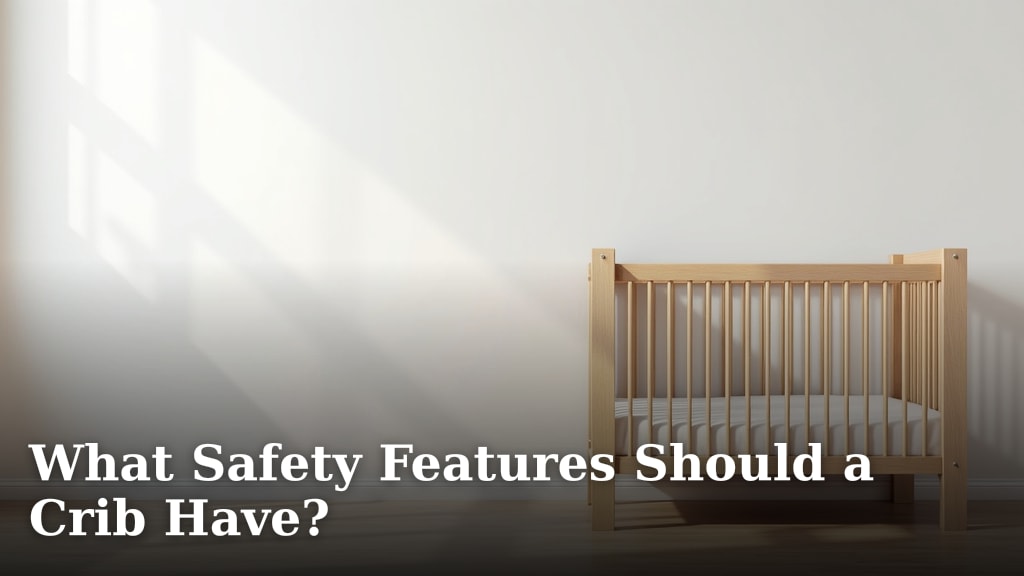
What Safety Features Should a Crib Have?
When choosing a crib, the most important safety features to look for are slats no wider than 2 3/8 inches and a firm, snug-fitting mattress. These simple checks can help prevent your baby from getting stuck or having trouble breathing. Always look for cribs that meet current safety standards set by organizations like the CPSC, ensuring they have been tested for stability and durability.
Beyond the basic measurements, consider the crib’s overall construction. You’ll want a crib with no cutouts or places where a baby’s head could get trapped. The paint and finishes should be non-toxic, and the hardware should be securely fastened. Many experts also recommend avoiding cribs with drop-side rails, as these have been linked to serious accidents.
- Look for slats spaced no more than 2 3/8 inches apart.
- Ensure the mattress is firm and fits snugly with no gaps.
- Check that all hardware is securely attached and finishes are non-toxic.
- Avoid cribs with drop-side rails for added safety.
Ready to make sure your little one’s sleep space is as safe as possible? Let’s walk through the key safety features you should be looking for in a crib.
“`htmlKey Crib Safety Checks for Your Baby
When bringing a new baby home, their safety is your top priority. The crib is where your little one will spend many hours sleeping and resting. Ensuring it meets current safety standards is vital. We’ve looked into what makes a crib safe for your precious child.
Essential Crib Dimensions and Design
The physical dimensions of a crib play a big role in safety. These aren’t just arbitrary numbers; they are based on research to prevent injuries. Let’s break down the critical measurements to watch for.
Slat Spacing: Keeping Little Limbs Safe
One of the most frequently mentioned safety features is slat spacing. This refers to the distance between the vertical bars of the crib. Experts recommend this distance to prevent a baby’s head or limbs from getting stuck.
Research and safety guidelines consistently point to a maximum slat spacing of 2 3/8 inches (which is about the width of a soda can). This measurement is a well-established standard by organizations like the Consumer Product Safety Commission (CPSC). Why this specific size? It’s small enough that a baby’s head cannot fit through it, and their legs and arms are also unlikely to get caught. You can easily check this by using a measuring tape or even a can of soda.
Mattress Fit: No Room for Danger
The mattress is another crucial component. A mattress that is too small for the crib frame can create dangerous gaps. A mattress that is too soft or flimsy doesn’t offer adequate support and can also pose a suffocation risk.
For safety, the mattress should be firm and fit snugly inside the crib. What does “snugly” mean? You should not be able to fit more than two fingers between the edge of the mattress and the crib’s side rails. Many crib manufacturers also sell their own specific-sized mattresses. While not always required, using a mattress designed for your specific crib model can help ensure a proper fit. Always check the mattress dimensions against the crib’s interior dimensions.
No Cutouts or Entrapment Hazards
Beyond simple spacing, you need to look at the overall design for potential hazards. Cribs should be free of any decorative cutouts or gaps where a baby could become trapped. This includes the headboard and footboard.
Imagine a scenario where a baby rolls over and their head gets stuck in a decorative opening. This is precisely what safety standards aim to prevent. So, when you’re inspecting a crib, run your hand along the edges and look for any places that seem like they could pose a risk. A smooth, continuous design is generally safer.
Materials and Finishes: Non-Toxic is Key
What a crib is made of and how it’s finished matters just as much as its dimensions. Babies often explore their world by touching, tasting, and chewing on everything, including their crib.
Lead and Phthalate-Free Finishes
Older cribs sometimes had issues with lead paint. Modern cribs must meet strict standards for paint and finishes. You want to make sure the paint and any wood sealants are non-toxic. This means they should be free from lead and phthalates, which are chemicals that can be harmful if ingested.
Look for cribs that are certified by third-party organizations or clearly state they meet current CPSC standards for finishes. This offers peace of mind that the surfaces your baby interacts with are safe. Many manufacturers will explicitly mention “lead-free” and “phthalate-free” on their product packaging or specifications.
Sturdy Construction and Hardware
A crib needs to be built to last and withstand the wear and tear of a growing baby. This means checking the overall sturdiness of the design and how the pieces are put together.
All hardware, such as screws, bolts, and connectors, should be securely fastened. There shouldn’t be any wobbly parts or pieces that look like they could easily loosen over time. Some cribs use plastic teething guards on the top rails. Ensure these are also securely attached and made of safe, durable materials. We’ve found that well-constructed cribs often use strong, reinforced hardware that isn’t easily tampered with by little hands.
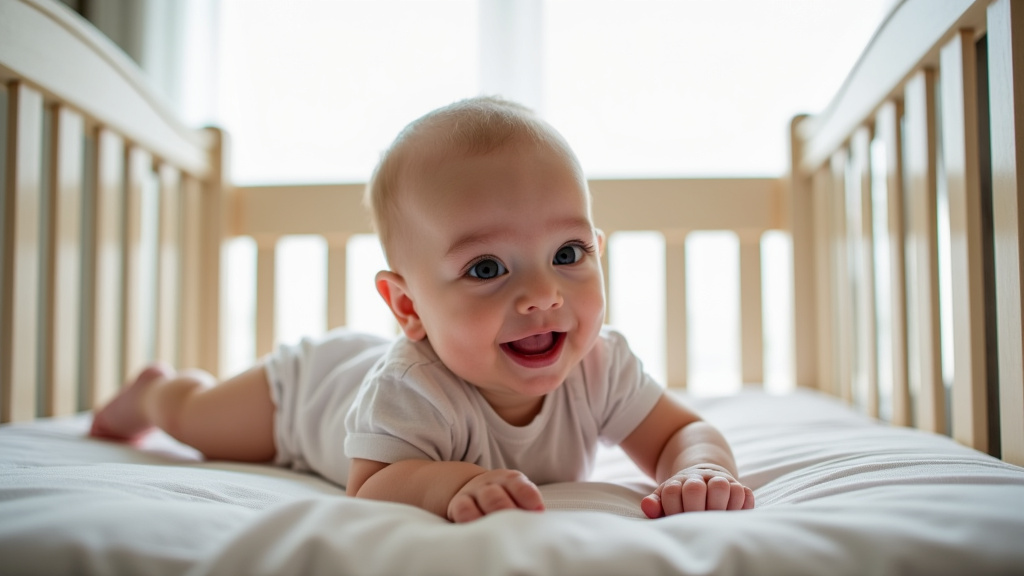
Features to Avoid for Maximum Safety
While many cribs offer helpful features, some designs have been phased out due to safety concerns. Knowing these can help you make a more informed choice.
The Case Against Drop-Side Rails
You might see older cribs or some used cribs that have a side rail that can be lowered or “dropped.” These are known as drop-side rails. While they were designed for convenience, they have been linked to serious injuries and even deaths.
The issue is that the mechanism for lowering the rail can sometimes malfunction or break. This can create a dangerous gap between the mattress and the rail, where a baby could become trapped or fall out. Because of these risks, drop-side cribs are no longer recommended and are banned in some regions. Many experts strongly advise against them, preferring fixed-side cribs for consistent safety.
Decorative Elements and Their Risks
While ornate cribs can look beautiful, some decorative elements can pose safety risks. These might include large cutouts, elaborate carvings, or attached toys and mobiles that aren’t secure.
As we touched on earlier, any part of the crib where a baby’s head, limbs, or body could get caught is a hazard. Even seemingly harmless decorative pieces can become a problem if they detach and become choking hazards. Simple, clean designs are generally the safest. Always ensure any accessories like mobiles are securely attached and removed when the baby can reach them.
Looking for Safety Certifications and Standards
How can you be sure a crib meets all these requirements? Look for proof of testing and adherence to safety standards.
Understanding CPSC and ASTM Standards
In the United States, the Consumer Product Safety Commission (CPSC) sets the mandatory safety standards for cribs. These standards cover everything from slat spacing and mattress fit to hardware strength and finish toxicity. You should look for cribs that explicitly state they meet CPSC requirements.
Additionally, organizations like ASTM International develop voluntary consensus standards. Many manufacturers will also indicate that their cribs meet ASTM standards, which often align with or exceed CPSC requirements. Seeing these certifications on the product or packaging is a good sign that the crib has undergone rigorous safety testing.
What to Check on the Label
When you’re shopping, don’t hesitate to look at the product label or packaging. It should clearly state that the crib meets federal safety standards. Some labels might also include the date of manufacture, which can be helpful.
A checklist for your crib shopping trip might look something like this:
- Confirm slat spacing is 2 3/8 inches or less.
- Check for a snug, firm mattress fit.
- Ensure finishes are non-toxic (lead and phthalate-free).
- Verify all hardware is secure and no parts are loose.
- Avoid cribs with drop-side rails.
- Look for CPSC or ASTM safety certifications.
By keeping these key safety features in mind, you can confidently choose a crib that provides a safe and comfortable sleep environment for your baby. Your peace of mind is just as important as your baby’s security.
“`Conclusion
Choosing a crib is a big decision for your baby’s well-being. You’ve learned that focusing on slat spacing of 2 3/8 inches or less and a firm, snug mattress are the most vital steps. Ensuring non-toxic finishes and avoiding outdated designs like drop-side rails are also key. Always look for proof of safety standards, like CPSC or ASTM certifications. Your careful attention to these details will create a secure sleep space for your little one. Now, take this checklist with you when you shop, and you’ll be well-equipped to make the safest choice.
Frequently Asked Questions
What if I can only find a used crib? Is it safe?
When buying a used crib, be extra cautious. Always check if it meets current CPSC safety standards, as older cribs might not. Rigorously inspect for any loose hardware, signs of wear, or potential entrapment hazards that weren’t common concerns in older models. Ensure it doesn’t have drop-side rails, which are banned in many places.
How can I easily test if a crib mattress is firm enough?
To test mattress firmness, try pressing down on it. A firm mattress will not indent deeply or stay compressed when you release the pressure. It should feel solid and provide good support for your baby. If it feels soft or springs back slowly, it may not be firm enough.
Are there any safety features I should look for on crib railings?
Look for railings that are smooth and have no large decorative cutouts where a baby could get stuck. Ensure any teething rails are securely attached and made of non-toxic material. The top of the railing should be at a height that prevents your baby from climbing out as they grow.
What does it mean for a crib to be “non-toxic”?
A non-toxic crib means its paints, stains, and finishes are free from harmful chemicals like lead and phthalates. These substances can be detrimental to a baby’s health if ingested through chewing or contact. Reputable brands will explicitly state their finishes are lead-free and phthalate-free.
How do I know if the hardware on a crib is secure?
Check that all screws, bolts, and connectors are tightly fastened and flush with the surface. There should be no visible gaps or loose pieces that could potentially fall off or be a choking hazard. Gently try to wiggle parts of the crib to ensure it feels sturdy and well-assembled.