How to Pick a Safe Crib: Key Features to Know
Picking a safe crib means focusing on a few key features. You want a crib that meets current safety standards, has a firm mattress, and no large gaps where a baby could get stuck. Always check for recent safety certifications to ensure your little one has a secure place to sleep. This guide will help you make the best choice.
Your baby will spend a lot of time in their crib. It’s essential to get this right. We found that understanding the latest safety guidelines is the first step. Look for things like a slat spacing that’s no wider than two fingers. Also, make sure the crib is sturdy and doesn’t wobble. These details matter for preventing accidents.
- Check for current safety certifications.
- Ensure the mattress is firm and fits snugly.
- Inspect slat spacing – no more than 2.375 inches apart.
- Look for a sturdy, stable crib with no loose parts.
Let’s walk through exactly how to spot these safety features and choose the best crib for your baby. We’ll cover everything you need to know.
“`htmlChoosing a Secure Crib: Essential Features for Your Baby’s Safety
Choosing a safe crib is one of the most important decisions you’ll make for your new baby. Your little one will spend countless hours sleeping and playing in this space. It needs to be a secure environment. We’ve researched the key safety features that experts and safety organizations recommend to ensure your baby’s well-being.
Understanding Crib Safety Standards
First and foremost, you want a crib that meets current safety standards. This isn’t just a suggestion; it’s a vital step. Regulations are put in place to protect babies from common hazards.
The Role of Safety Certifications
Look for cribs that meet the latest safety standards set by organizations like the Consumer Product Safety Commission (CPSC). These standards cover everything from slat spacing to the stability of the crib. Many countries have their own regulatory bodies, so check what applies in your region.
We found that cribs manufactured after a certain date often meet updated safety guidelines. For instance, the CPSC updated its standards to address potential entrapment and strangulation risks. Always ask the manufacturer about compliance with current regulations.
What to Look for in Crib Construction
A sturdy crib is essential. It should feel solid and not wobble when you gently push it. Loose parts or a crib that feels flimsy are red flags. Think of it like building with good quality blocks – you want them to fit together tightly.
Check all the hardware and joints. Ensure they are secure and there are no sharp edges or points. We also found that older cribs, especially hand-me-downs, might not meet today’s standards. It’s often safer to buy a new crib or one that has been recently manufactured and certified.
Key Physical Features for Crib Safety
Beyond certifications, several physical characteristics of the crib itself are critical. These are the details you can check with your own eyes and hands.
Slat Spacing: Preventing Entrapment
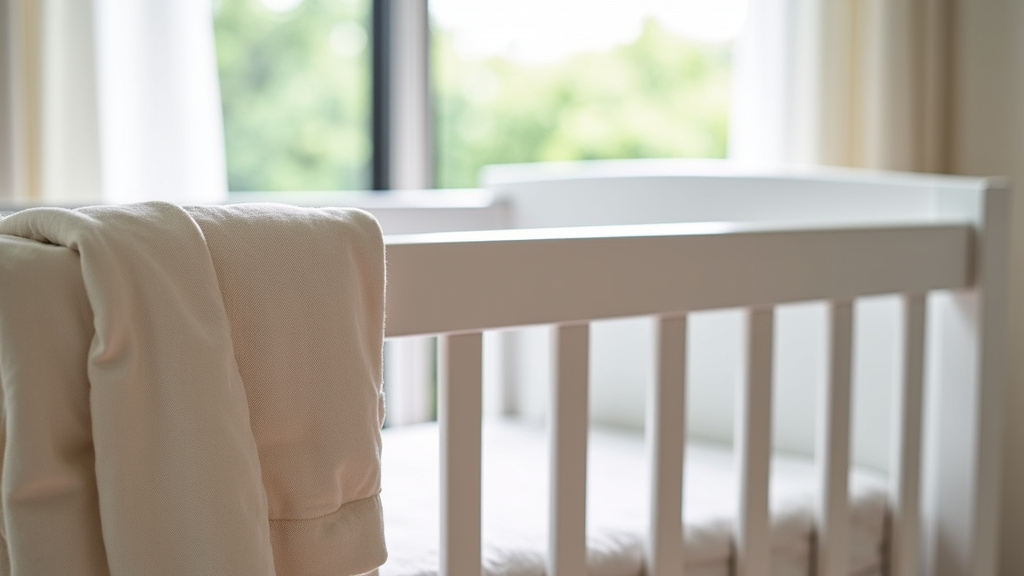
The distance between the crib slats is a major safety concern. If the slats are too far apart, your baby could get their head stuck. If they are too close, it can also pose a risk. We found that the widely recommended maximum gap is 2.375 inches (about 6 cm). This is roughly the width of two fingers placed side-by-side.
Why is this distance so important? Experts at the American Academy of Pediatrics (AAP) highlight that this gap prevents a baby’s head from becoming lodged between the slats. They also note that babies are surprisingly strong and can wiggle into tight spots. So, this measurement is key for preventing serious injury.
Mattress Fit and Firmness
The mattress should fit snugly in the crib. There should be no gaps between the mattress and the crib sides. A good rule of thumb we found is that you shouldn’t be able to fit more than two fingers between the mattress and the crib frame. A mattress that’s too small can create a dangerous space where a baby could get trapped. For reference, the standard crib mattress size is typically 27.25 inches by 51.625 inches.
In addition to a snug fit, the mattress needs to be firm. A soft mattress can be a suffocation hazard. Babies should always sleep on a firm surface. This helps reduce the risk of Sudden Infant Death Syndrome (SIDS). You can test firmness by pressing down on the mattress; it should spring back quickly and not leave an indentation.
Crib Height and Drop-Side Rails
The height of the crib sides is also important. For younger babies who can’t pull themselves up, the sides should be high enough to prevent them from climbing out. As your baby grows and becomes more mobile, you’ll need to adjust the mattress to a lower setting and ensure the sides remain high.
A feature you might see on older cribs is a drop-side rail. We found that many safety organizations now advise against cribs with drop-side rails. These have been linked to serious accidents and are no longer permitted in new cribs in many places. If a crib has a drop-side rail, ensure it can be permanently secured so it cannot be lowered.
Additional Safety Checks for Peace of Mind
Once you’ve considered the main structural elements, there are a few more things to check. These final touches can make a big difference.
No Small Parts or Exposed Hardware
Check the crib for any small, loose parts that could detach. These could be choking hazards for babies. Also, ensure there are no exposed screws or bolts that your baby could snag on or ingest. A smooth, clean finish is always best.
Stability and Wobble Test
Give the crib a good shake. Does it feel sturdy? Does it wobble excessively? A stable crib is less likely to tip over or break. If you can easily move or destabilize the crib, it’s probably not the safest option. Think of it this way: you want a crib that feels as solid as a rock.
Beware of Decorations and Add-ons
Some cribs come with elaborate decorative elements like large finials or ornate carvings. These can sometimes become loose or pose an entrapment risk. Keep it simple and safe. Avoid cribs with dangling toys or mobiles attached directly to the crib structure, as these can also be hazards.
What to Avoid in a Crib
When shopping for a crib, keep an eye out for potential hazards. This checklist summarizes what to steer clear of:
- Cribs with gaps wider than 2.375 inches between slats.
- Mattresses that are soft or don’t fit snugly.
- Cribs that feel wobbly or unstable.
- Any crib with broken or missing parts.
- Drop-side rail cribs (if they cannot be permanently secured).
- Cribs with sharp edges or small, detachable pieces.
By focusing on these key features, you can confidently choose a crib that provides a safe and comfortable sleep space for your baby. Your due diligence now means peace of mind for years to come.
“`Conclusion
You’ve learned the essential steps to choosing a safe crib for your baby. Focusing on current safety certifications and sturdy construction sets a solid foundation. Always check the slat spacing, ensuring it’s no more than 2.375 inches, and confirm the mattress is firm and fits snugly. By inspecting these key features, you’re creating a secure sleep environment.
Take your time and trust your instincts during your crib search. Your diligence now ensures peace of mind as your little one grows. Ready to start shopping? Head to a reputable retailer and apply these safety checks in person.
Frequently Asked Questions
Are older cribs safe to use?
Older cribs, especially hand-me-downs, may not meet current safety standards. We found that regulations have changed significantly over the years to prevent common accidents. It’s often best to buy a new crib or one that has been recently manufactured and certified to ensure it adheres to the latest safety guidelines.
What is the most critical crib safety feature?
While several features are vital, slat spacing is critically important for preventing entrapment. The gap between slats should not exceed 2.375 inches. We researched and found that this measurement is specifically designed to stop a baby’s head from getting stuck between the slats, a serious safety concern.
How can I tell if a crib mattress is firm enough?
A firm mattress is essential for your baby’s safety. You can test firmness by pressing down on the mattress; it should spring back quickly without leaving an indentation. We found that a soft mattress can pose a suffocation risk, and babies need a firm surface to sleep on.
What are drop-side cribs, and why should I avoid them?
Drop-side cribs have a side rail that can be lowered. We discovered that these types of cribs have been linked to serious accidents and are no longer permitted in new cribs in many regions. If you are using an older crib with a drop-side feature, ensure it can be permanently secured so it cannot be lowered.
How tight should a crib mattress fit?
The mattress should fit snugly within the crib frame, leaving no gaps. We found that you shouldn’t be able to fit more than two fingers between the mattress edge and the crib sides. A mattress that is too small can create a dangerous space where your baby could become trapped.