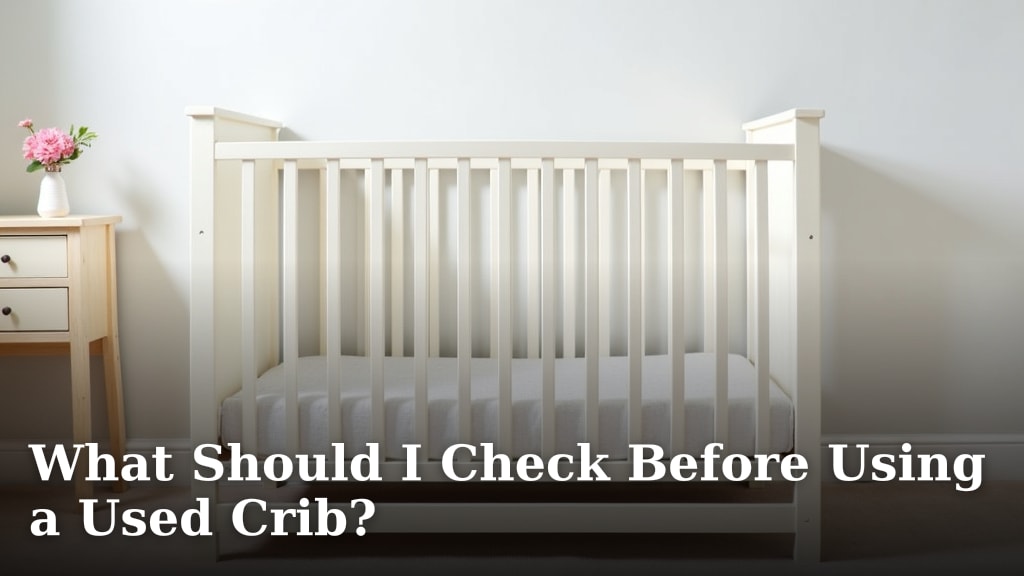
What Should I Check Before Using a Used Crib?
Yes, you absolutely should check a used crib thoroughly before bringing it home for your baby. Safety is non-negotiable when it comes to cribs, and a used one might have hidden issues like loose parts or outdated designs that don’t meet current safety standards. Always prioritize your baby’s well-being.
Before you buy that second-hand crib, take a moment to consider a few key things. Many parents wonder if a used crib is a safe choice. We found that with careful inspection, a used crib can be a great option, but you must know what to look for to ensure it’s structurally sound and meets modern safety requirements, avoiding potential hazards.
- Check for missing or loose hardware.
- Inspect for any splintering or sharp edges.
- Ensure the slats are no more than 2 3/8 inches apart.
- Confirm it hasn’t been recalled.
- Verify the mattress support is sturdy.
Let’s walk through exactly what you should inspect to make sure that pre-loved crib is perfectly safe for your little one.
Inspecting a Used Crib: Your Essential Safety Checklist
Bringing home a used crib can be a smart way to save money. But before you even think about assembling it, you need to be sure it’s safe for your baby. We found that a thorough inspection is key to avoiding potential hazards. Safety standards for cribs change over time. Older cribs might not meet today’s strict requirements. This means they could pose risks to your little one. Let’s get into what you absolutely must check.
Assessing the Crib’s Structure and Materials
The foundation of a safe crib is its sturdy construction. You’ll want to examine every part closely. Think of it like giving the crib a really thorough once-over, almost like a detective looking for clues.
Checking for Structural Integrity
Start by looking at the overall build. Does it feel solid, or does it wobble? You don’t want any signs of weakness. Babies can be surprisingly strong, and a crib needs to withstand their movements. Gently push on the sides and ends. See if any part feels loose or unstable. If anything seems flimsy, it’s a red flag.
Examining the Wood and Paint
Look carefully at the wood. Are there any splinters? Are there any sharp edges or points anywhere on the crib? This is especially important for the rails your baby might gnaw on. Rough spots can cause injuries. Also, check the paint or finish. If the paint is peeling or chipping, your baby could ingest toxic lead. Many older cribs were painted with lead-based paint. This is a serious safety concern, and current guidelines strongly advise against it (Consumer Product Safety Commission).
Hardware and Fasteners
Are all the screws, bolts, and other hardware present? Are they all tightened properly? Sometimes, these can work themselves loose over time. Make sure there are no missing pieces. If any hardware looks stripped or damaged, don’t try to force it. You might not be able to get a secure fit. Having to replace hardware can be tricky, especially if the original parts are hard to find.
Understanding Crib Design and Safety Standards
Crib safety standards have evolved significantly to prevent injuries. What was considered safe years ago might not be today. Understanding these changes will help you identify a crib that meets current safety expectations. Understanding what JPMA certified means can help you identify cribs that meet current safety expectations.
Slat Spacing: A Critical Measurement
This is one of the most vital checks. The distance between the crib slats is crucial. If the slats are too far apart, a baby’s head could get stuck. If they are too close, it can also be a problem. Current safety standards require the slats to be no more than 2 3/8 inches apart. That’s about the width of a soda can. You can use a soda can or a ruler to measure this. Check every section of the crib. Many experts highlight this as a primary safety feature.
Side Rail Height and Drop-Side Cribs
The height of the side rails matters. They need to be high enough to prevent a baby from climbing out. Typically, the side rails should be at least 9 inches high above the mattress when it’s at its lowest setting. You also need to be aware of drop-side cribs. These are cribs with a side rail that moves up and down. The U.S. banned the sale of new drop-side cribs in 2011 due to numerous safety incidents. If the crib you’re considering is a drop-side model, it’s best to avoid it, even if it seems to work fine. A broken or improperly assembled drop-side rail can be extremely dangerous (Consumer Product Safety Commission).
Headboards and Footboards: No Gaps
Look at the headboard and footboard designs. Some older cribs have large decorative cutouts or openings. A baby’s limb could get caught in these. Make sure there are no large gaps where a baby could become trapped. The design should be smooth and free of potential entrapment hazards.
Mattress Support and Stability
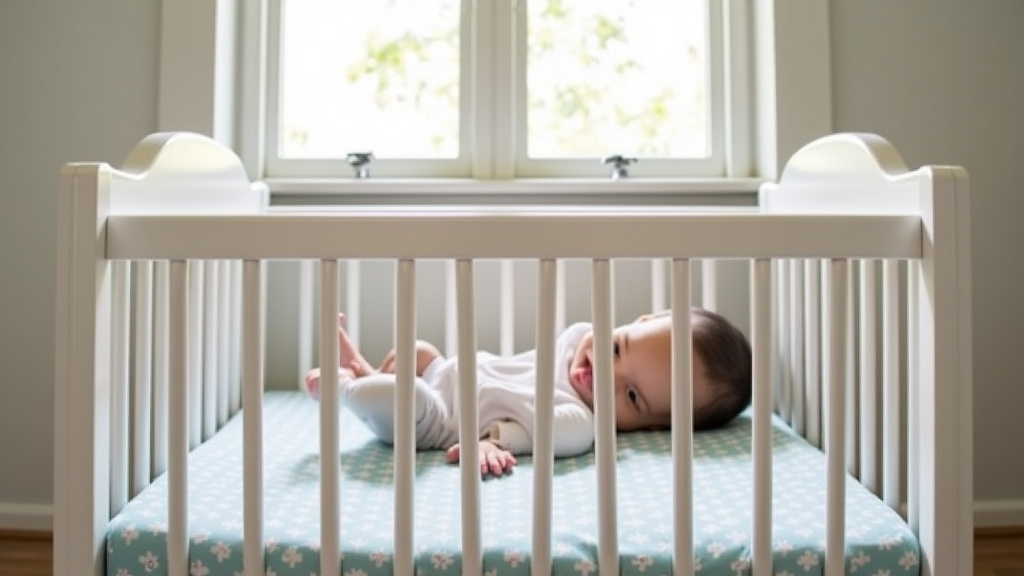
The mattress support is what holds the mattress securely in place. This is more important than you might think. A weak support system can lead to the mattress sagging or collapsing. This creates a suffocation risk. You want a firm, flat surface for the mattress.
Checking the Mattress Frame
Is the frame that supports the mattress strong and intact? It should be made of metal or sturdy wood. Look for any signs of bending, cracking, or rust. Ensure it’s firmly attached to the crib sides. Most modern cribs use a metal spring or wooden slat system. Gently press down on it. It shouldn’t creak or give way. A properly fitted mattress should have no more than a two-finger gap between the mattress and the side rails (American Academy of Pediatrics).
Recalls and Manufacturer Information
Knowing if a crib has been recalled is a non-negotiable step. Manufacturers issue recalls when a product is found to be unsafe. The government maintains lists of these recalls.
Researching the Crib’s History
Before you commit to buying, try to find out the crib’s manufacturer and model name. You can often find this information on a sticker on the crib itself. Once you have this, you can search the Consumer Product Safety Commission (CPSC) website for recalls. This is a free and essential step. If the crib has been recalled for safety reasons, do not purchase it. Even if you think you can fix the problem, it’s often not worth the risk.
When No Information is Available
What if you can’t find any manufacturer information? That can make it very difficult to check for recalls. In such cases, proceed with extreme caution. If you can’t verify its safety history, it might be safer to look for a crib with a known past. We found that trying to be certain about a crib’s safety is always the best approach.
Final Checks for Peace of Mind
You’re almost there! Just a few more things to ensure everything is just right. Think of these as the final quality control steps.
Beware of Additions or Modifications
Has anyone added anything to the crib? Sometimes parents add extra padding, bumper pads, or even bedding that isn’t part of the original design. These can create suffocation or entrapment hazards. Stick to the original design as much as possible. Avoid any aftermarket additions that weren’t specifically approved for that crib model. Safety organizations strongly caution against crib bumpers due to suffocation risks (American Academy of Pediatrics).
The Mattress Fit
Even if the crib itself is sound, the mattress needs to fit properly. As mentioned, there should be no more than a two-finger gap between the mattress and the sides of the crib. A mattress that is too small can shift. This creates a dangerous space where a baby could get trapped. If the used crib doesn’t come with a mattress, plan to buy a new one that fits snugly.
Your Used Crib Safety Checklist
Here’s a quick rundown to take with you when you go to inspect a used crib:
- Structure: Does it feel sturdy? No wobbling or loose parts?
- Hardware: Are all screws and bolts present and tight?
- Slat Spacing: Is it 2 3/8 inches or less between slats?
- Drop-Side: Is it a drop-side crib? If so, avoid it.
- Wood/Paint: No splinters, sharp edges, or peeling paint?
- Recalls: Have you checked the CPSC website for recalls on this model?
Conclusion
Choosing a used crib can be a budget-friendly option for your baby. We found that a thorough inspection is your most important tool. You’ve learned to check the crib’s structure, hardware, and slat spacing. You also know to watch out for peeling paint and problematic drop-side designs. Always research recalls before you buy. By following these steps, you can confidently select a safe and secure crib for your little one. Your next step is to print this checklist and take it with you when you inspect any used crib.
Frequently Asked Questions
What if the used crib has small cosmetic flaws?
Minor cosmetic issues like small scratches that don’t affect the structure are usually okay. However, you must still check for splintering wood or peeling paint that could be toxic. If the flaw compromises the crib’s sturdiness or safety, it’s best to pass on it.
How do I know if a used crib’s hardware is truly secure?
Ensure all screws and bolts are present and tightened as much as possible. If hardware looks stripped, rusted, or damaged, it might not hold securely. We found that it’s difficult to replace specialized hardware on older cribs, so check for original, intact fasteners.
Can I use a crib that has been modified by its previous owner?
We advise against cribs that have been modified. Additions like extra padding, bumper pads, or unapproved bedding can create serious safety hazards. Stick to the crib’s original design to ensure it meets safety standards.
What if the used crib doesn’t come with a mattress?
It’s recommended to buy a new mattress for a used crib. This ensures a proper, snug fit and a clean sleeping surface. Ensure the new mattress fits snugly, leaving no more than a two-finger gap between the mattress and the crib sides.
Is it safe to buy a used crib if I can’t find its make or model?
We found that it’s very difficult to ensure safety if you can’t identify the crib’s make and model. Without this information, you can’t check for recalls. If you can’t find any identifying marks, it’s safer to look for a crib with a known history.