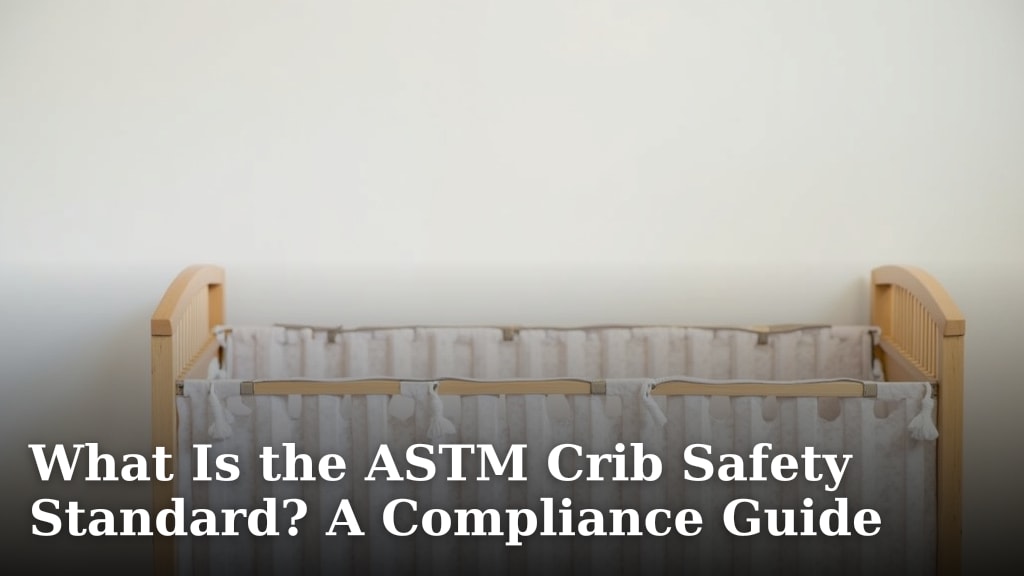
What Is the ASTM Crib Safety Standard? A Compliance Guide
The ASTM crib safety standard is a set of voluntary guidelines for manufacturers. It helps ensure that cribs are designed and built to be **safe for infants and toddlers**. You can think of it as a benchmark for quality and protection. Meeting this standard means a crib has passed rigorous testing for things like **structural integrity and potential hazards**.
When shopping for a crib, understanding these standards can make a big difference. It’s not a law that every crib must meet, but many parents and retailers look for this assurance. Compliance with the ASTM crib safety standard often means a product has undergone **thorough safety evaluations**. This helps you feel more confident about your purchase and your child’s well-being.
- ASTM crib safety standard means manufacturers follow set guidelines.
- It’s a voluntary benchmark for crib design and safety.
- Meeting the standard indicates a crib has passed testing.
- This helps ensure your child’s protection from hazards.
- Look for cribs that indicate compliance for peace of mind.
Ready to make sure your little one’s sleep space is as safe as can be? Let’s dive into what the ASTM crib safety standard really means for you.
Understanding the ASTM Crib Safety Standards
You want the safest possible sleep environment for your baby. That’s completely understandable! The ASTM crib safety standard offers a helpful guide. It’s a set of guidelines developed by ASTM International. These guidelines cover how cribs should be designed and manufactured. Think of it as a roadmap for making cribs safer. It addresses many potential hazards parents worry about.
What Does ASTM Stand For?
ASTM International is a global organization. They develop and publish voluntary consensus technical standards. These standards are used worldwide. For cribs, ASTM Committee F15.08 is responsible for the safety standards. They bring together manufacturers, consumers, and safety experts. Their goal is to create practical ways to make products safer. For parents like you, knowing a crib meets these standards provides a level of reassurance. For parents like you, knowing a crib meets ASTM standards provides reassurance, and you can also look for JPMA certification.
Why Are These Standards Important for You?
These voluntary standards are important because they go beyond basic legal requirements. Many government regulations set a minimum safety level. ASTM standards often go a step further. They aim to anticipate potential risks. This is especially true for cribs, where a baby spends so much time. The standards cover areas like structural integrity. They also look at things like potential entrapment hazards and the strength of hardware. Essentially, they help ensure the crib is a **secure place for your little one**.
How to Know if a Crib Meets the Standard
Manufacturers might state that their cribs meet ASTM standards. You’ll often see this mentioned in product descriptions or on the packaging. Sometimes, you might see a label on the crib itself. Look for phrases like “Meets ASTM F1169” or similar. This indicates that the manufacturer has likely had their crib tested. They’ve followed the specific guidelines set out by ASTM. It’s not a government certification, but it’s a widely respected industry benchmark. Many retailers also prefer to stock cribs that adhere to these standards.
Key Areas Covered by ASTM Crib Safety Standards
The ASTM crib safety standards are quite detailed. They cover many aspects of crib design and construction. These areas are meant to prevent common accidents and injuries. Let’s break down some of the most important ones you should be aware of when choosing a crib.
Structural Integrity and Stability
A crib needs to be sturdy. It has to withstand a baby’s movements. ASTM standards address this by setting requirements for how strong the crib frame must be. They specify testing methods to ensure the crib won’t break or collapse. This means the materials used and the way it’s assembled are scrutinized. A stable crib is less likely to tip over, which is a **critical safety feature**.
Entrapment Hazards
This is a major concern for parents. Entrapment happens when a baby gets stuck between parts of the crib. This can occur in the slats, mattress supports, or other openings. The ASTM standards have very specific measurements. They define the maximum allowable gaps in cribs. This is to prevent a baby’s head, limbs, or body from getting caught. For example, the space between crib slats is carefully regulated. These measurements are based on extensive research into baby anatomy and movement patterns (Consumer Product Safety Commission).
Slat Spacing and Openings
You’ll often hear about slat spacing. The ASTM standards specify that the space between slats should be no more than 2 3/8 inches. This is about the width of a soda can. The space between the mattress and the crib sides is also crucial. It must be narrow enough to prevent a baby from getting stuck. These precise dimensions are designed to keep your child **secure within the crib**.
Hardware and Assembly
The hardware used to assemble a crib is also important. ASTM standards address the type and strength of fasteners. They ensure that screws, bolts, and other pieces are secure. They also look at how easy or difficult it is to assemble the crib correctly. Poorly installed hardware can lead to instability or parts coming loose. The standards aim to make sure that when you follow the instructions, the crib is built to last and remain safe.
Mattress Support and Fit
A well-fitting mattress is key to crib safety. The ASTM standards include requirements for the mattress support system. This means the platform where the mattress rests needs to be strong. It also needs to be securely attached to the crib frame. A weak or poorly attached support could sag or break. Additionally, the standards ensure there isn’t too much space between the mattress and the crib sides. A mattress that is too small can create a dangerous gap. The right fit prevents your baby from rolling into any potential entrapment areas.
Drop-Side Rail Mechanisms (Mostly Phased Out)
You might recall older cribs having drop-side rails. These were rails that could be lowered for easier access to the baby. Unfortunately, many of these mechanisms proved to be unsafe. They could malfunction or break, leading to serious entrapment risks. Because of these dangers, current ASTM standards have essentially banned new cribs with active drop-side rail mechanisms. If you have an older crib with a drop-side rail, it’s often recommended to replace it with a crib that meets newer, stricter safety standards. Safety organizations like the American Academy of Pediatrics have strongly advised against using cribs with these older designs.
What About Non-Compliant Cribs?
It’s worth knowing what to watch out for. Cribs that do not meet ASTM standards might have certain risks. These could include issues with slat strength. They might also have larger gaps that pose entrapment hazards. Hardware could be less secure, leading to instability. In some cases, older or recalled crib models might not meet current safety guidelines. It’s always a good idea to check for recalls on any crib, especially if it’s not brand new.
Checking for Recalls
Even cribs that once met standards can become unsafe due to wear and tear or manufacturing defects discovered later. The U.S. Consumer Product Safety Commission (CPSC) maintains a database of product recalls. You can visit their website and search for your crib model. This is a **simple step that can prevent serious accidents**.
The Importance of Following Assembly Instructions
Even the safest crib won’t be safe if it’s not assembled correctly. Always follow the manufacturer’s assembly instructions carefully. Make sure all hardware is tightened properly. Double-check that all parts are used as intended. If you’re unsure about any step, consult the manufacturer’s support or a trusted resource. Correct assembly is as important as meeting the safety standard itself.

A Quick Checklist for You
When you’re looking at cribs, here’s a quick checklist to keep in mind:
- Does the product description mention meeting ASTM safety standards?
- Are the slat spacing and other gaps within the safe limits (around 2 3/8 inches)?
- Does the mattress support look strong and securely attached?
- Is the hardware robust and are there any signs of wear or damage?
- Is the crib free from any known recalls?
- Are the assembly instructions clear and easy to follow?
Conclusion
Choosing a crib is a big decision. You want the best for your baby. Understanding the ASTM crib safety standard helps you do just that. It means a crib has met important industry guidelines for safety. Always look for products that state compliance. Pay attention to details like slat spacing and sturdy hardware. These standards are designed to prevent common hazards. Your goal is a secure sleep space for your little one. Check for recalls and follow assembly instructions carefully. This diligence ensures your crib provides peace of mind.
Frequently Asked Questions
Is the ASTM crib standard a law?
No, the ASTM crib safety standard is a voluntary set of guidelines. It’s developed by ASTM International. While not a legal requirement for all cribs, it’s widely adopted by manufacturers. Many retailers and safety advocates consider it a key indicator of a crib’s safety features.
Where can I find information about a crib meeting ASTM standards?
You can usually find this information in the product description online or on the crib’s packaging. Look for phrases like “Meets ASTM F1169.” Some cribs may also have a label indicating compliance. If you’re unsure, contacting the manufacturer directly is a good step.
What happens if a crib doesn’t meet the ASTM standard?
Cribs that don’t meet ASTM standards might have more risks. These could include weaker construction or wider gaps that pose entrapment hazards. Older or recalled crib models might not meet current safety guidelines. It’s always best to choose a crib that has been tested against these widely accepted safety benchmarks.
Are all cribs made today required to meet ASTM standards?
While most reputable manufacturers strive to meet ASTM standards, it remains voluntary. However, for a crib to be sold in many major retail stores or online platforms, adherence to these safety guidelines is often expected. It’s a good practice to always verify the product’s compliance.
What should I do if I bought a crib before these standards were common?
If you have an older crib, it’s wise to check the U.S. Consumer Product Safety Commission (CPSC) website for any recalls. Older cribs, especially those with drop-side rails, may not meet current safety recommendations. Consider whether your current crib has been updated or if it’s time for a newer model that meets today’s rigorous safety standards.