Are All Standard Cribs Required to Be JPMA Certified?
No, not all standard cribs are required to be JPMA certified. While the JPMA certification is a voluntary program, it’s a strong indicator that a crib meets rigorous safety standards. Many parents look for this certification as a sign of quality and safety for their little ones.
The Juvenile Products Manufacturers Association (JPMA) certifies that products meet or exceed current U.S. and Canadian safety standards. This means a JPMA certified crib has undergone third-party testing. It’s a way for manufacturers to show their commitment to providing safe baby gear.
- JPMA certification is voluntary, not mandatory for all cribs.
- It means a crib passed strict safety testing.
- This certification helps parents choose safer products.
- Look for the JPMA label to be sure.
So, how can you be sure the crib you’re buying is safe? We’ll walk you through what JPMA certification means and what to look for when choosing a crib.
Understanding Crib Safety Certifications
So, you’re wondering if every standard crib needs a special stamp of approval. The short answer is no, not every crib is required to have a JPMA certification. This certification is actually a voluntary program offered by the Juvenile Products Manufacturers Association (JPMA). It’s a way for manufacturers to show they go above and beyond.
What Does JPMA Certified Actually Mean?
When a crib has the JPMA certification, it means it has been tested and proven to meet or exceed tough safety standards. These standards are set by organizations like the American Society for Testing and Materials (ASTM) and Health Canada. Think of it like a parent’s peace of mind seal. It tells you that the crib has passed rigorous third-party testing.
This testing covers a lot of ground. It checks for things like structural integrity, lead paint levels, and the absence of small parts that could be a choking hazard. It also looks at the crib’s overall design to ensure it’s safe for your baby. This ensures your little one has a safe place to sleep and play.
Why Voluntary Certification Matters
You might ask, “If it’s voluntary, why bother?” Manufacturers choose JPMA certification because it demonstrates their commitment to product safety. It’s a proactive step. It shows they are willing to invest in extra testing and quality checks. This can help them stand out in a crowded market.
For parents, this voluntary certification is a helpful guide. It simplifies the decision-making process. When you see the JPMA label, you can feel more confident about the crib’s safety features. It’s like a shortcut to knowing a product has met higher safety bars. Many parents actively seek out this mark when shopping.
The Difference Between Mandatory Standards and Voluntary Certification
It’s important to understand that there are government-mandated safety standards that all cribs must meet. These are the baseline requirements. The U.S. Consumer Product Safety Commission (CPSC) sets many of these rules. For example, cribs must meet specific dimensions and have slats spaced just right to prevent entrapment.
Meeting Minimum Requirements vs. Exceeding Them
Mandatory standards are like the minimum speed limit on a road. All cars must be able to at least meet that. JPMA certification, on the other hand, is like getting your car tuned up and inspected by a top mechanic. It suggests the manufacturer has gone the extra mile to ensure everything is working perfectly and safely. They are not just meeting the minimum; they are aiming for excellence.
The JPMA program often incorporates the latest safety recommendations. These might evolve faster than government regulations. So, a certified crib might be designed with newer safety insights in mind. This extra layer of scrutiny can offer parents added reassurance.
Who Oversees These Standards?
In the United States, the CPSC is the main federal agency responsible for consumer product safety. They set and enforce safety rules for products like cribs. Health Canada performs a similar role in Canada. The ASTM International develops the technical standards that many of these regulations are based on. JPMA works closely with these organizations.
JPMA certification involves independent, accredited laboratories testing products against these standards. These labs are not affiliated with the manufacturers. This ensures an objective evaluation. It removes any bias and provides a truly independent assessment of safety. This third-party aspect is key to the certification’s credibility.
How to Spot a JPMA Certified Crib
Finding a JPMA certified crib is usually quite straightforward. You just need to know what to look for. It’s not hidden information. Manufacturers want you to see it!
Looking for the JPMA Seal of Approval
The most common way to identify a JPMA certified product is by looking for the JPMA certification seal. This seal is typically found on the product packaging. You might also see it on the product itself. Many manufacturers also display it prominently on their websites and in their product manuals.
The seal usually includes the JPMA logo. It might also have text like “JPMA Certified” or “Certified by the Juvenile Products Manufacturers Association.” Sometimes, there’s a QR code or a reference number. Always check the product or its packaging to be sure. If you’re shopping online, look for the seal in the product images or specifications.
What If You Can’t Find the Seal?
If you’re looking at a crib and can’t find any mention of JPMA certification, it doesn’t automatically mean it’s unsafe. Remember, it’s a voluntary program. The manufacturer might simply not participate. In this case, you’ll need to rely on other indicators of safety.
Always check if the crib meets current U.S. CPSC or Health Canada safety standards. This information should be available in the product description or manual. You can also look for the ASTM standard number mentioned. You might also want to check for recalls on the CPSC website for any crib model you’re considering. Your diligence is key here.
Beyond the Label: Other Safety Considerations
While JPMA certification is a wonderful indicator, it’s not the only factor in choosing a safe crib. There are other things you should always check. Your baby’s safety is a multi-faceted approach. It’s about layers of protection.
Checking for Recalls and Safety Updates
Even the safest products can sometimes have issues. It’s wise to check for any product recalls. The CPSC website is an excellent resource for this. You can search for specific products or brands. Staying informed about potential safety concerns is part of being a prepared parent. This is a quick and easy step you can take before buying.
Manufacturers also sometimes issue safety notices or updates. It’s good practice to register your crib once you purchase it. This way, you’ll be notified if any safety information becomes available. It’s a small step that offers big protection.
Understanding Crib Features and Design
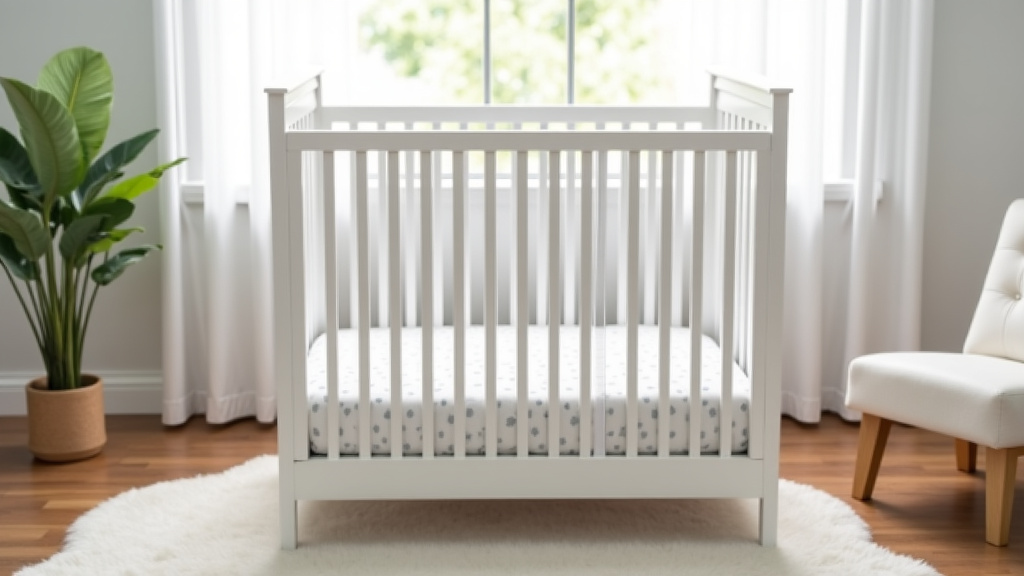
Beyond certifications, consider the crib’s design itself. Are the slats spaced no more than 2 3/8 inches apart? This prevents your baby’s head from getting stuck. Is the mattress support strong and secure? Are there any cutouts or decorative elements where a baby could get trapped? Are there any protruding hardware or parts that could snag clothing?
Look for a sturdy construction. The crib should feel solid and stable. Avoid cribs with drop sides, as these have been banned due to safety risks. Ensure all the hardware is present and accounted for, and that it’s properly installed. A well-built crib is fundamental to safety.
Making Your Final Choice: A Checklist
Choosing a crib is a big decision! Here’s a quick checklist to help you feel confident in your choice:
- Look for the JPMA Certification Seal: This is your first step toward assurance.
- Verify It Meets Current Safety Standards: Check for CPSC (US) or Health Canada compliance.
- Inspect the Crib Design: Ensure slat spacing, sturdiness, and absence of entrapment hazards.
- Check for Product Recalls: A quick search on the CPSC website can save a lot of worry.
- Read Reviews (with a grain of salt): See what other parents say about safety and durability.
- Register Your Product: This keeps you informed of any safety updates from the manufacturer.
Conclusion
While not every standard crib is required to have JPMA certification, it’s a significant indicator of safety. This voluntary program means a crib has passed rigorous, third-party testing beyond minimum government standards. It’s a helpful way for you to feel more confident in your purchase. When shopping, always look for the JPMA seal as a sign of extra assurance. If a crib isn’t certified, make sure it meets all current CPSC safety standards and check for recalls. Your diligence ensures a safe sleep space for your little one.
Frequently Asked Questions
Do all new cribs need to meet government safety standards?
Yes, all new cribs sold in the U.S. must meet mandatory safety standards set by the Consumer Product Safety Commission (CPSC). These are the baseline rules for safety, like slat spacing and mattress support. JPMA certification goes a step further, showing a manufacturer chose to meet higher safety benchmarks.
Can I trust a crib that isn’t JPMA certified?
You can, but you’ll need to do more research. A crib without the JPMA seal might still be perfectly safe if it meets all current government regulations. You’ll want to verify it adheres to CPSC standards and check for any product recalls on the CPSC website.
Where can I find the JPMA certification seal on a crib?
You’ll typically find the JPMA certification seal on the crib’s packaging or directly on the product itself. Manufacturers often display it clearly in their online product listings and in the instruction manuals as well. Look for the official JPMA logo and text indicating certification.
What happens if a manufacturer doesn’t pursue JPMA certification?
If a manufacturer doesn’t participate in the JPMA program, it usually means they are only meeting the legally required safety standards. They may not have invested in the additional third-party testing that JPMA certification involves. You’ll need to rely on their compliance with government regulations and your own inspection.
How often are crib safety standards updated?
Safety standards, especially those set by organizations like ASTM that the CPSC often references, are reviewed and updated periodically. JPMA certification often incorporates the most recent safety recommendations. This means a JPMA certified crib may reflect newer safety insights that go beyond the existing legal minimums.