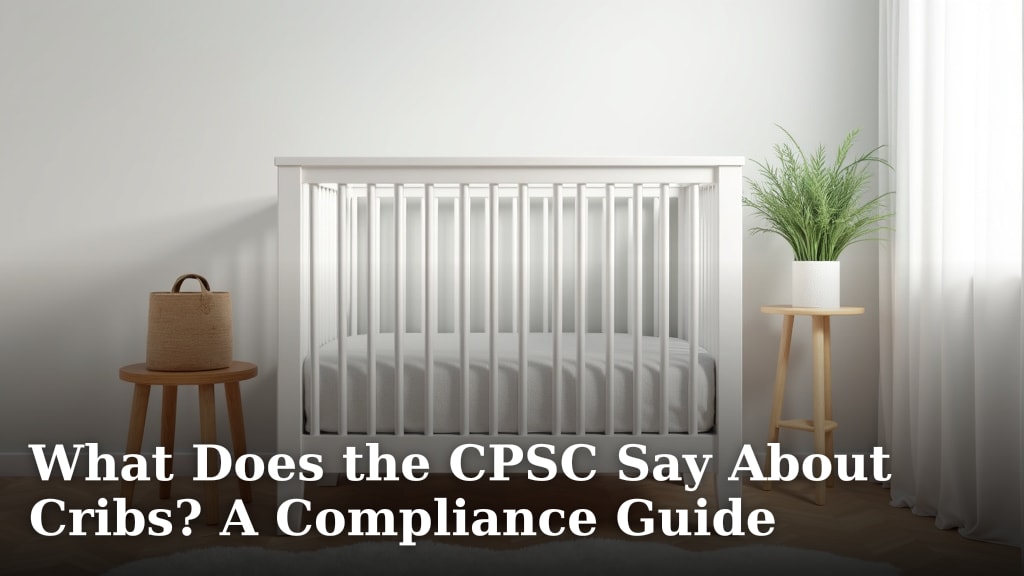
What Does the CPSC Say About Cribs? A Compliance Guide
The CPSC (Consumer Product Safety Commission) has strict safety standards for cribs to protect your baby. They require cribs to meet specific design and construction rules. This ensures your little one has a safe sleeping environment. You can trust that cribs meeting CPSC standards are designed to prevent serious injuries.
Understanding these regulations is key for parents and caregivers. The CPSC works hard to keep children safe from product hazards. They update rules as new risks are identified. Following these guidelines helps you choose a secure and reliable crib for your baby.
- CPSC sets safety standards for baby cribs.
- These rules aim to prevent injuries to infants.
- Key features focus on design and construction.
- Compliance ensures a safer sleeping space.
- Always look for compliance with CPSC regulations.
We’ve researched what the CPSC says about cribs so you don’t have to. Let’s walk through exactly what you need to know to ensure you’re choosing a safe crib.
Understanding CPSC Crib Safety Standards
The U.S. Consumer Product Safety Commission (CPSC) is the primary agency protecting you and your baby from risks associated with consumer products. For cribs, this means setting **strict safety rules** designed to prevent injuries and fatalities. These standards cover everything from the materials used to the way a crib is assembled and its overall design.
When you see a crib advertised as meeting CPSC standards, it means it has been tested and verified to comply with these important regulations. This is your first line of defense in ensuring your baby has a safe place to sleep. The CPSC works continuously to identify potential hazards and update standards as needed.
What the CPSC Looks For: Key Crib Safety Features
The CPSC’s regulations focus on several critical areas to ensure crib safety. These are not just arbitrary rules; they are based on years of research and incident reports to address common dangers.
Slat Spacing: Preventing Entrapment
One of the most well-known CPSC requirements is about the spacing of the crib slats. The agency mandates that the gap between slats must be no more than 2 3/8 inches. This is roughly the width of a soda can.
Why is this so important? If the slats are too far apart, a baby’s head or body could become trapped between them. This can lead to strangulation or suffocation. Conversely, if the slats are too close, small fingers could get stuck. The 2 3/8-inch limit is a carefully chosen standard to prevent these specific types of entrapment.
Mattress Support: Stability and Fit
The mattress support system is another key area the CPSC scrutinizes. The support must be sturdy and properly designed to hold the mattress securely. It needs to withstand the weight and movement of a baby without collapsing or shifting.
Additionally, the CPSC requires that the mattress fit snugly within the crib frame. There should be no more than two fingers’ width of space between the edge of the mattress and the sides of the crib. A mattress that is too small can create a dangerous gap where an infant could become trapped, leading to suffocation.
Hardware and Construction: No Sharp Edges or Small Parts
The overall construction of the crib is vital. The CPSC ensures that there are no sharp edges or points on the crib that could cut or scratch a baby. All hardware, like screws and bolts, must be securely fastened and designed to prevent them from coming loose over time.
Manufacturers must also ensure that there are no small parts that could break off and become a choking hazard for an infant. This includes inspecting all components for durability and safety. Think of it like building a fortress for your baby; every piece needs to be strong and safe.
Drop-Side Rails: A Phased-Out Danger
You might have heard of “drop-side” cribs. These were cribs where one of the side rails could be lowered to make it easier to lift a baby in and out. Unfortunately, these designs proved to be inherently dangerous.
Over time, the mechanisms on drop-side rails could fail or become loose, leading to the side rail detaching. This created a dangerous gap where a baby could fall out or become entrapped, resulting in serious injuries or death. Because of these risks, the CPSC has banned the manufacture and sale of new drop-side cribs. If you have an older crib with a drop-side feature, it’s crucial to consider replacing it with a compliant model.
Navigating Crib Regulations: What You Need to Know as a Shopper
As a parent or caregiver, knowing the CPSC standards empowers you to make informed purchasing decisions. You are the one looking out for your baby’s best interest, and understanding these rules helps you do just that.
What to Look for When Buying a New Crib
When you’re shopping for a crib, there are a few key things to keep an eye out for. These will help you identify cribs that have been designed with CPSC standards in mind.
The CPSC Certification Label
Most new cribs sold in the U.S. are required to meet current CPSC safety standards. Look for a label or sticker on the crib that indicates it complies with CPSC regulations. This is often found on the mattress support or on one of the crib’s sides.
This label is a manufacturer’s declaration that the product meets the established safety requirements. It’s a good indicator that the crib has been designed and tested according to the rules.
Fixed-Side Cribs Are the Standard
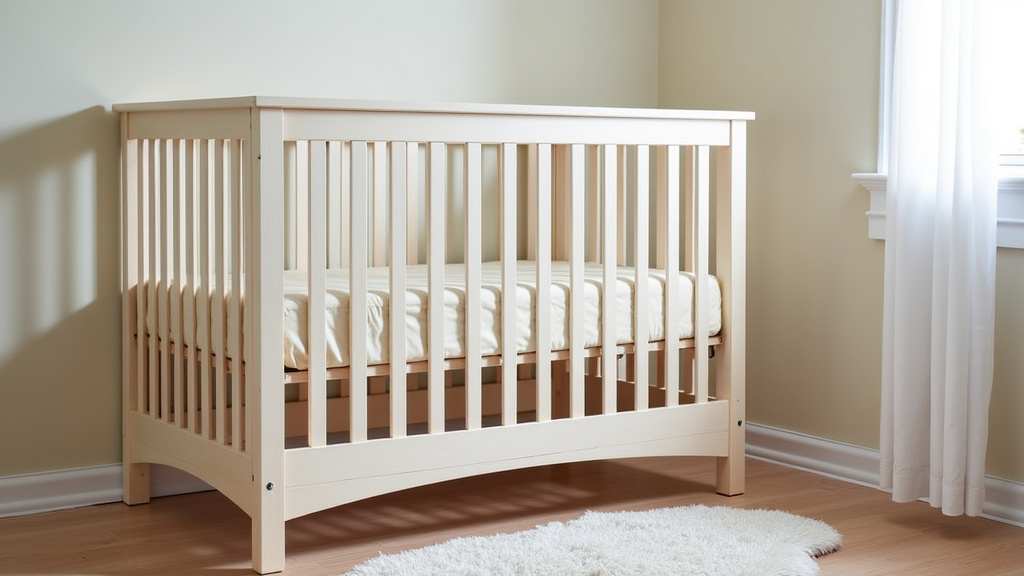
As mentioned, drop-side cribs are no longer legal to sell. Therefore, any new crib you purchase should be a fixed-side crib. This means all sides of the crib are permanently attached and do not move up or down. This design eliminates the risk of the side rail failing.
While some older, hand-me-down cribs might have drop sides, it’s generally recommended to avoid them due to the known safety risks. The safest bet is always a crib that was manufactured recently and adheres to current standards.
Understanding Crib Recalls and Safety Alerts
Even with standards in place, sometimes cribs can have defects or issues discovered after they’ve been sold. The CPSC plays a vital role in tracking and announcing product recalls and safety alerts.
It’s a good idea to register your new crib with the manufacturer. This way, if there’s ever a recall or safety notice, the company can contact you directly. You can also find a wealth of information on the CPSC website, including a searchable database of recalls.
If you are buying a used crib, do your homework. Check the CPSC website for any past recalls related to that specific crib model. It’s better to be safe than sorry when it comes to your baby’s sleep environment.
Hand-Me-Down Cribs: Proceed with Caution
Receiving a crib as a hand-me-down can be a wonderful way to save money. However, when it comes to cribs, caution is strongly advised. Older cribs may not meet the current CPSC safety standards, which have been updated over the years.
A crib that was safe a decade ago might not be safe today. For instance, older cribs might have slat spacing that is too wide or designs that are no longer permitted. If you are considering a used crib, you must thoroughly inspect it and confirm it meets today’s standards. Many experts recommend avoiding used cribs altogether unless you can verify their compliance with the latest CPSC regulations.
Key Checklist for Crib Compliance
To help you remember the most important points, here’s a quick checklist:
- Ensure slat spacing is no more than 2 3/8 inches.
- Check for a snug mattress fit, with no more than a two-finger gap.
- Verify that all hardware is secure and there are no loose parts.
- Confirm the crib is a fixed-side model, not a drop-side.
- Look for any CPSC compliance labels or markings.
- If considering a used crib, research its model for recalls.
Conclusion
Ensuring your baby’s crib meets CPSC standards is your most important step for a safe nursery. You’ve learned about critical features like slat spacing, mattress fit, and construction quality. Remember, fixed-side cribs are the current safe standard, and drop-side models are a serious risk. By knowing what to look for and checking for compliance, you can confidently choose a crib that provides a secure sleep environment. Always prioritize safety over convenience or outdated designs for your little one.
Frequently Asked Questions
Where can I find the CPSC crib safety standards?
The official CPSC crib safety standards can be found on the U.S. Consumer Product Safety Commission’s official website. You can search their site for “crib safety standards” to access the detailed regulations and guidelines that manufacturers must follow.
Is it safe to use a hand-me-down crib?
Using a hand-me-down crib requires extreme caution. Older cribs may not meet current CPSC safety standards, which have been updated over time to address new risks. It’s best to thoroughly inspect it and verify compliance, or consider purchasing a new, compliant crib.
What if my current crib has drop-side rails?
If your crib has drop-side rails, it’s strongly recommended that you replace it immediately. The CPSC has banned the sale of new drop-side cribs due to serious safety risks, including entrapment and falls. These older designs pose a significant hazard to infants.
How do I know if a crib has been recalled?
You can check for crib recalls by visiting the CPSC’s website and using their recall database. Registering your new crib with the manufacturer is also a good idea, as they are required to notify registered owners of any safety alerts or recalls.
What is the maximum gap allowed between crib slats?
The CPSC mandates that the gap between crib slats must be no more than 2 3/8 inches. This measurement is about the width of a soda can and is designed to prevent a baby’s head or body from becoming trapped between the slats.