How to Check If a Crib Has Been Recalled
Yes, you absolutely need to check if a crib has been recalled. Recalled cribs can have dangerous safety defects. Your baby’s safety is the top priority, and knowing how to check is essential.
Many parents worry about crib safety. The U.S. Consumer Product Safety Commission (CPSC) tracks recalls. They issue alerts for products that don’t meet safety standards. This is a critical step for parents to take before using a crib.
- Check the CPSC website regularly.
- Look for specific crib models.
- Understand common crib defects.
- Know what to do if your crib is recalled.
Let’s walk through exactly how to check for crib recalls and what steps to take if yours is affected.
Ensuring your baby’s crib is safe is one of the most important things you’ll do as a parent. Cribs can be recalled if they have safety issues. This usually means they don’t meet current safety standards set by organizations like the U.S. Consumer Product Safety Commission (CPSC). These defects can put your little one at risk of injury or worse. Checking for recalls is a **simple but vital step**. It protects your baby from potential dangers.
Checking Your Crib for Safety Alerts
You need to know how to actively check if your crib has been recalled. This isn’t a one-time task. Safety standards can change. Manufacturers may also identify new issues with older models. Staying informed helps you protect your child. We’ll guide you through the process.
Where to Find Recall Information
The best place to look for crib recall information is the official source. The **U.S. Consumer Product Safety Commission (CPSC)** is the government agency responsible for tracking product safety. They maintain a comprehensive database of recalls. This is where you’ll find the most up-to-date and accurate information.
Using the CPSC Website
The CPSC website has a dedicated section for recalls. You can search for specific products or browse by category. For cribs, you’ll want to look for child product recalls. They often list the product name, brand, model numbers, and the specific hazards associated with the recalled item. It’s a **straightforward way to find alerts**.
What Information You’ll Need
To check your crib, you’ll need a few key pieces of information. First, find the **manufacturer’s name**. This is usually printed on a label on the crib itself. Next, look for the **model number**. This is often found on the same label or sometimes on the mattress support. You might also find a **date of manufacture**. Having these details handy will make your search much easier and more accurate.
Common Reasons for Crib Recalls
Understanding why cribs get recalled can help you identify potential risks. The CPSC has specific safety standards that cribs must meet. When a crib fails to meet these, it can be recalled. We found that **several types of defects are common**.
Hardware and Assembly Issues
Sometimes, cribs have **hardware that is loose or missing**. This could be screws, bolts, or other fasteners. If these parts aren’t properly secured, parts of the crib could detach. This can create gaps where a baby could become trapped. It can also lead to instability. You should always check that all hardware is **tight and present**.
Side Rail Defects
Drop-side cribs were a major safety concern for many years. These are cribs where one of the side rails could be lowered. Many older models had issues with the drop-side mechanism. This could cause the side rail to detach or fall unexpectedly. This created a gap that a baby could fall through or get stuck in. Due to these dangers, **drop-side cribs are no longer legal** in the U.S. Any crib with a functional drop-side rail is likely unsafe and may have been recalled.
Spindles and Spacing Problems
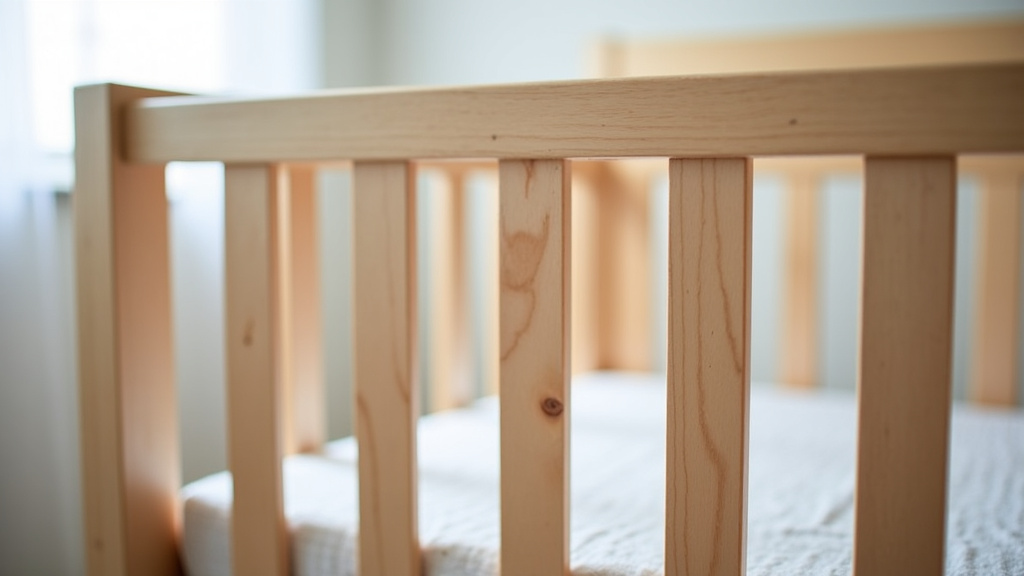
The spacing between crib spindles (the vertical bars) is critical. If the spindles are too far apart, a baby’s head could get stuck between them. If they are too close, it can also pose a risk. Likewise, large gaps between the mattress and the crib frame can be dangerous. A baby could become trapped in these spaces. The CPSC has **strict guidelines on spacing** to prevent these entrapment hazards.
Paint and Material Concerns
Occasionally, cribs are recalled because of the paint used. If the paint contains **lead or other toxic substances**, it can be harmful if a baby ingests it. This might happen if a baby chews on the crib. The materials used in the crib’s construction must also be safe and durable. Products that splinter or break easily are a concern.
Steps to Take If Your Crib is Recalled
Discovering that your crib has been recalled can be alarming. It’s important to stay calm and follow the steps provided by the CPSC and the manufacturer. They usually have a **clear plan for remediation**.
Immediate Safety Measures
The very first thing you should do is **stop using the crib immediately**. Do not let your baby sleep in it, even for a short nap. The risks are too high. You should also try to disable the crib if possible, to prevent anyone else from using it by mistake. This might involve removing a key part, like the mattress support or a side rail, if the recall instructions suggest it.
Reviewing the Recall Notice
Carefully read the **official recall notice** for your specific crib. This notice will detail the exact problem and what the manufacturer is offering. It will also explain how to get a remedy. You can usually find this notice on the CPSC website or the manufacturer’s website. It’s important to understand exactly what the recall entails for your model.
Understanding Your Remedy Options
Manufacturers typically offer a remedy for recalled products. This could be a **repair kit** to fix the safety issue, a **replacement crib**, or a **refund**. The specific remedy will depend on the product, the nature of the defect, and when the crib was manufactured. Check the recall notice for the details applicable to your situation. They are legally obligated to provide a safe solution.
How to Register for a Remedy
Most recall remedies require you to register. This usually involves filling out a form, often online. You may need to provide proof of purchase or photos of your crib, along with the model and serial numbers. Follow the instructions in the recall notice precisely. This ensures you get the **correct repair, replacement, or refund** promptly.
Preventative Crib Safety Checks
While checking for recalls is essential, ongoing maintenance helps keep your crib safe. Regular checks can catch minor issues before they become major problems. Think of it like a quick tune-up for your baby’s sleeping space. It’s an **extra layer of protection**.
Regular Inspections
Make it a habit to **inspect your crib regularly**. Do this at least once a month. Look for any loose screws, bolts, or other hardware. Check for cracks or splinters in the wood. Ensure the mattress still fits snugly in the crib with no large gaps. A quick visual scan can prevent many issues.
Tightening Hardware
Over time, hardware can loosen. Use a screwdriver to **gently tighten any screws or bolts** you find. Don’t overtighten, as this can strip the screws or damage the wood. Just make sure everything feels secure. This is especially important for cribs that are frequently moved or adjusted.
Checking Mattress Fit
The mattress should fit snugly inside the crib. There should be no more than two finger-widths of space between the edge of the mattress and the crib frame. If there’s a larger gap, the mattress is too small. This is a **serious entrapment hazard**. If your mattress no longer fits snugly, it’s time to get a new one that meets current safety standards.
Here is a quick checklist to help you stay on top of crib safety:- Check the CPSC website for recalls before buying or using a crib.
- Locate your crib’s model number and manufacturer name.
- Inspect your crib monthly for loose parts or damage.
- Ensure the mattress fits snugly with no large gaps.
- If a recall is issued, stop using the crib immediately.
- Follow the manufacturer’s instructions for remedy and repair.
Conclusion
Your baby’s safety is your number one concern. We’ve shown you exactly how to check if your crib has been recalled. Remember to always start with the **CPSC website** and have your crib’s model number ready. Understanding common defects like hardware issues or spacing problems helps you know what to look for. If a recall is issued, stop using the crib immediately and follow the manufacturer’s instructions for a remedy. Regular inspections are also key to ongoing safety. Your next step is to visit the CPSC recall page right now and search for your crib.
Frequently Asked Questions
What if I can’t find my crib’s model number?
Check all sides and the bottom of the crib for a manufacturer’s label. Sometimes the model number is on the mattress support or near the assembly instructions. If you still can’t find it, contact the store where you purchased it or the manufacturer directly.
Can I still use a crib that was recalled if it looks okay?
No, you should never use a crib that has been officially recalled. Recalls are issued because of safety defects that may not be obvious. Continuing to use a recalled crib puts your baby at serious risk of injury. Always follow the recall instructions.
How long does it take to get a repair kit or replacement?
The timeline can vary depending on the manufacturer and the specific recall. Some remedies are sent out quickly, while others might take several weeks or months. You can usually find an estimated timeframe on the recall notice or the manufacturer’s website.
What if my crib is too old to be recalled?
Even older cribs should be checked. The CPSC database includes recalls for many years. If your crib isn’t listed, it’s still wise to perform regular safety checks yourself. Ensure all hardware is tight and the mattress fits snugly.
Are secondhand cribs safe to use?
You should be very cautious with secondhand cribs. Always check the CPSC website for recalls before accepting or buying a used crib. Also, ensure it meets current safety standards and has no missing or damaged parts. It’s often safer to buy a new crib that meets today’s strict regulations.