
What Is a Mini Crib? Everything You Need to Know
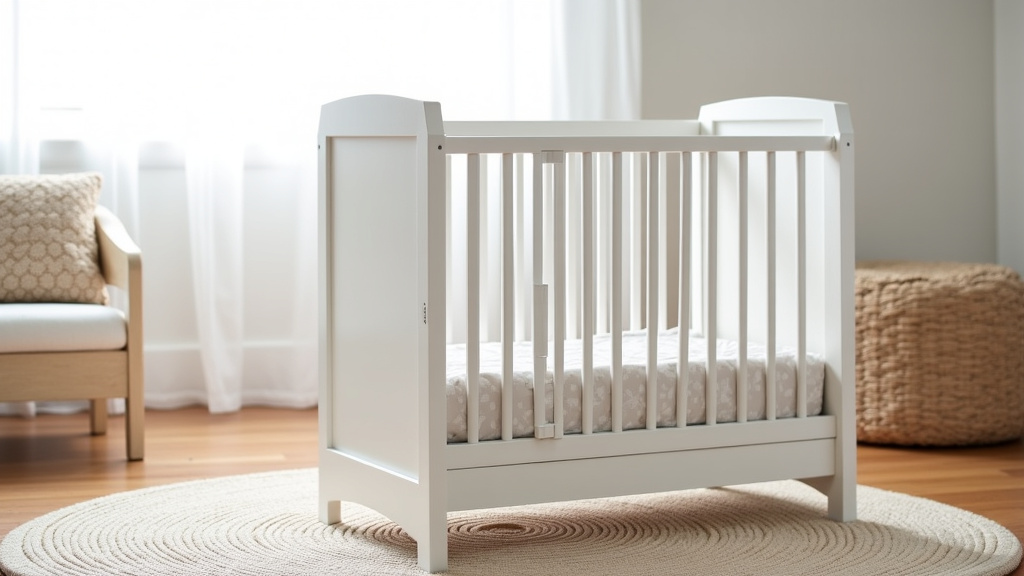
A mini crib is a compact sleeping solution designed for infants, offering a safe sleep space that is significantly smaller than a standard crib. It provides the familiar comfort of a traditional crib but in a more portable and space-efficient package.
Many parents find mini cribs are perfect for small nurseries, studio apartments, or for keeping baby close in your bedroom. We found that their portability makes them a popular choice for travel or moving between rooms, giving you flexible sleep options without sacrificing safety.
- Mini cribs are a type of infant bed that is smaller than a standard crib, often measuring around 24 inches wide by 38 inches long.
- They are typically used from birth until your baby can sit up or climb out, usually around 2 years old. For more on transitioning, see our guide to age for crib sleep.
- Key features often include folding mechanisms for easy storage, adjustable mattress heights, and locking wheels.
- They are different from bassinets (which are for newborns only) and play yards (which serve multiple functions).
- Perfect for space constraints, co-sleeping arrangements, or as a secondary crib at a grandparent’s house.
Below, we break down everything you need to know about choosing, using, and safety-checking a mini crib to find the perfect fit for your little one’s first bed.
Mini Cribs Unveiled: A Practical Guide for Parents
A mini crib is a scaled-down sleep space for babies, offering the safety of a crib in a compact form. Let’s explore the details to help you decide if it’s right for your family.
Understanding Different Types of Mini Cribs
Not all mini cribs are the same. The market offers several styles, each designed for specific needs. We found that knowing the types can narrow your search quickly.
Standard Mini Cribs
These are stationary and often resemble a traditional crib but smaller. They typically have a fixed frame and may not fold. They provide a sturdy, permanent sleep solution in a compact size.
Portable and Folding Mini Cribs
These models are built for movement. They often feature wheels and folding mechanisms for easy storage. Many parents find these ideal for small homes or frequent travel between rooms.
Key Features of Folding Models
Look for simple, one-hand fold designs and lockable wheels. Some folding cribs even come with a carrying bag, making trips to grandma’s house hassle-free.
Safety Standards and What to Look For
Your baby’s safety is non-negotiable. Mini cribs sold in the US must meet federal safety standards. We found that focusing on a few key areas gives peace of mind.
Mandatory Safety Features
Ensure the slat spacing is no more than 2 3/8 inches, about the width of a soda can. The mattress should fit snugly with no gaps larger than two fingers. Always check for a firm, flat sleep surface.
Certifications to Trust
Look for certifications like the Juvenile Products Manufacturers Association (JPMA) seal. This indicates the product has been tested for safety. The Consumer Product Safety Commission (CPSC) sets the rules for all cribs, including mini versions.
How to Choose the Perfect Mini Crib
Choosing involves more than just picking a color. Consider your space, how long you’ll use it, and your lifestyle.
Size and Space Planning
Measure your room first. A mini crib is usually about 24 inches wide by 38 inches long. This saves significant floor space compared to a standard crib’s 28 by 53 inches.
mattress and Bedding Considerations
Always buy a mattress made specifically for your mini crib model. Generic crib mattresses often don’t fit properly. Use a fitted sheet designed for mini crib dimensions to avoid loose fabric.
Material and Breathability
Choose mattresses with breathable covers to promote airflow. We found that organic cotton or breathable foam can help regulate temperature for your sleeping baby.
Helpful Additional Features
Adjustable mattress heights are a major plus. A lower position helps when your baby can pull up to stand. Non-toxic finishes and smooth, rounded edges are also important details.
Mini Crib Lifespan and Usage Tips
Understanding when and how to use a mini crib ensures it serves you well. It’s not meant to be forever, but it can be a game-changer for the first couple of years.
From Birth to Toddlerhood
Most mini cribs are suitable from birth until your baby is around 12 to 24 months old. The American Academy of Pediatrics recommends a separate, safe sleep space for at least the first year.
When to Transition Out
Stop using the mini crib when your child reaches 35 inches tall or can climb out. Continuing beyond this point increases fall risks. It’s time to move to a toddler bed or full-size crib.
Mini Crib vs. Other Baby Sleep Solutions
It’s easy to confuse mini cribs with bassinets or play yards. Each serves a different primary purpose.
Mini Crib vs. Bassinet
Bassinets are for newborns only, often up to 20 pounds or until they can roll over. Mini cribs last longer and provide more room to grow. Think of a bassinet as a temporary bedside solution, while a mini crib is a more lasting bed.
Mini Crib vs. Play Yard
Play yards, or Pack ‘n Plays, are multifunctional. They serve as a sleep space, changing station, and play area. However, their primary function isn’t sleeping. We found mini cribs offer a firmer, more dedicated mattress for better sleep.
| Feature | Mini Crib | Bassinet | Play Yard |
|---|---|---|---|
| Primary Use | Long-term sleep | Newborn sleep | Play & short sleep |
| Lifespan | Up to 2 years | Up to 6 months | Up to 3 years |
| Mattress Quality | Firm & supportive | Soft & inclined | Thinner pad |
| Portability | Some models | Very portable | Often portable |
Setup and Maintenance Best Practices
Putting it together correctly is as important as buying it. Follow the manual step-by-step, and don’t rush.
Assembly and Placement
Place the crib away from windows, cords, and heavy furniture. Ensure it’s on a firm, level floor. For folding models, practice the fold mechanism a few times to ensure smooth operation.
Cleaning and Care
Wipe the frame with a damp cloth and mild soap. Regularly check all hardware for tightness. A loose bolt can compromise stability. Keep the area underneath clear for easy cleaning.
Mini Crib Safety Checklist
Use this quick list to ensure your mini crib setup is safe. We compiled this from guidelines by the CPSC and pediatric associations.
- Check for Recalls: Verify your model hasn’t been recalled by checking the CPSC website.
- Inspect Slat Strength: Press on each slat to ensure it’s strong and doesn’t bow.
- Verify Mattress Fit: No more than two fingers should fit between the mattress and crib sides.
- Test Stability: Give the crib a firm push; it shouldn’t wobble or tip.
- Remove Hazardous Items: Keep pillows, blankets, bumpers, and toys out of the sleep space.
- Use the Lowest Mattress Position: Once your baby can sit up, lower the mattress to prevent climbing out.
Conclusion
A mini crib offers a smart, space-saving sleep solution for your baby’s first couple of years. We found they provide the safety of a traditional crib in a compact, portable package. They’re perfect for small rooms, co-sleeping, or travel. Your top priorities should always be a snug mattress fit, safety certifications, and meeting your child’s growth milestones. Remember, they are not a permanent bed, but an excellent transitional one. You now have the tools to choose the right type, check for safety, and set it up correctly. The best next step is to measure your space and start looking for a JPMA-certified model that fits your family’s needs.
Frequently Asked Questions
What is the maximum weight limit for a mini crib?
The weight limit varies by model, but most are designed for babies up to 35-50 pounds. You should always check the manufacturer’s specifications on your specific crib. This limit is often based on your child’s ability to sit up or climb out, whichever comes first.
Can I use a standard crib mattress in a mini crib?
No, a standard crib mattress is too large and unsafe for a mini crib. You must purchase a mattress made specifically for your mini crib’s dimensions. A proper fit means there are no gaps larger than two fingers between the mattress and the crib frame.
Is a mini crib more portable than a play yard?
Many folding mini cribs are designed for portability, often with wheels and a fold-down mechanism. While some play yards are also portable, their primary function is play, not dedicated sleep. Our research found dedicated mini cribs typically offer a firmer, more supportive mattress for overnight sleep.
How difficult is it to assemble a mini crib?
Assembly difficulty depends on the model. Folding and portable models often come partially assembled. We found following the manual step-by-step is key. Most parents can set up a standard mini crib within an hour using basic tools included in the box.
When exactly should I transition my baby out of the mini crib?
You must stop using the mini crib when your child reaches 35 inches tall or can climb out of it. This is a critical safety rule to prevent falls. It’s time to move them to a toddler bed or a full-size crib for their continued safety.