Can Baby Cribs Have Lead Paint?
Yes, older or damaged cribs can have lead paint. Stop using a crib if its paint is chipping, peeling, or creating dust, and keep your baby away while you check its age, condition, and safety.
On this page (8 sections)
- Can baby cribs have lead paint?
- How can you spot a lead paint concern?
- What should you do if an old crib may have lead paint?
- How can a crib be tested for lead?
- Should you keep using or repair a crib with damaged paint?
- What should you check before choosing a replacement crib?
- When should you stop using a crib with lead paint concerns?
- What is the safest next step for lead paint on baby cribs?
Yes, older or damaged baby cribs can have lead paint, especially when the crib's age, finish, or repair history is unknown. If paint is peeling, chipping, or turning to dust, stop using the crib, keep your baby away from it, and avoid disturbing the paint.
Lead can't be identified by color or appearance alone. For an old crib with an uncertain history, contact your local health department or a qualified lead-safe professional for advice on testing and safe handling.
Can baby cribs have lead paint?
Yes, a crib can have lead paint if it was made or refinished before current lead limits took effect. A crib passed down through family or bought used may have an unknown age, finish, or repair history.
A newer crib is subject to federal rules that limit lead in children's products, including accessible painted parts. If you're building a crib, review crib safety standards for builders before choosing construction details.
Still, check the specific crib's model and condition, and don't assume an old finish is safe just because it looks smooth.
The US Consumer Product Safety Commission explains lead limits for children's products. Its guidance can help you understand the rules, but it can't confirm what's on an individual crib.
How can you spot a lead paint concern?
You can't confirm lead paint by looking at a crib. Peeling, flaking, cracked, or powdery paint is a reason to stop using it, whether or not it contains lead.
Pay close attention to areas your child could reach or mouth, such as rails and corners. Paint damage can create chips or dust, so don't let a baby touch the crib or play nearby while you investigate.
Does paint color reveal lead?
No, color doesn't tell you whether paint contains lead. Lead paint can look like many other finishes, and a smooth surface doesn't prove that the paint underneath is safe.
Don't use an internet photo or visual inspection as a substitute for a proper assessment. A qualified professional can advise whether testing is needed and how to handle the crib safely.
What should you do if an old crib may have lead paint?
Stop using the crib and keep your baby away from it. Don't sand, scrape, chip, or attempt a quick repaint, since disturbing a lead-containing finish can spread dust.
Keep the crib in a closed-off area if you can do so safely. Avoid dry sweeping or vacuuming visible paint dust, and ask your local health department or a lead-safe professional what to do next.
If your child may have swallowed paint chips or been exposed to dust, contact your pediatrician or local health department for advice. For urgent symptoms or immediate danger, seek emergency care.
How can a crib be tested for lead?
A qualified lead inspector or risk assessor can recommend testing based on the crib and its condition. Professional testing methods can assess painted surfaces, while some home kits may miss lead or give unclear results.
Ask what the test covers and whether the person is qualified for lead work in your area. Don't send a piece of paint for testing by breaking or scraping it off yourself.
A positive result doesn't make a damaged crib suitable for continued use. Follow professional guidance on isolation, repair, or disposal, and don't pass a suspect crib to another family.
Should you keep using or repair a crib with damaged paint?
Don't use a crib with peeling or chipping paint while the cause is unknown. A repair may disturb the finish, and painting over damage doesn't confirm that the crib is safe.
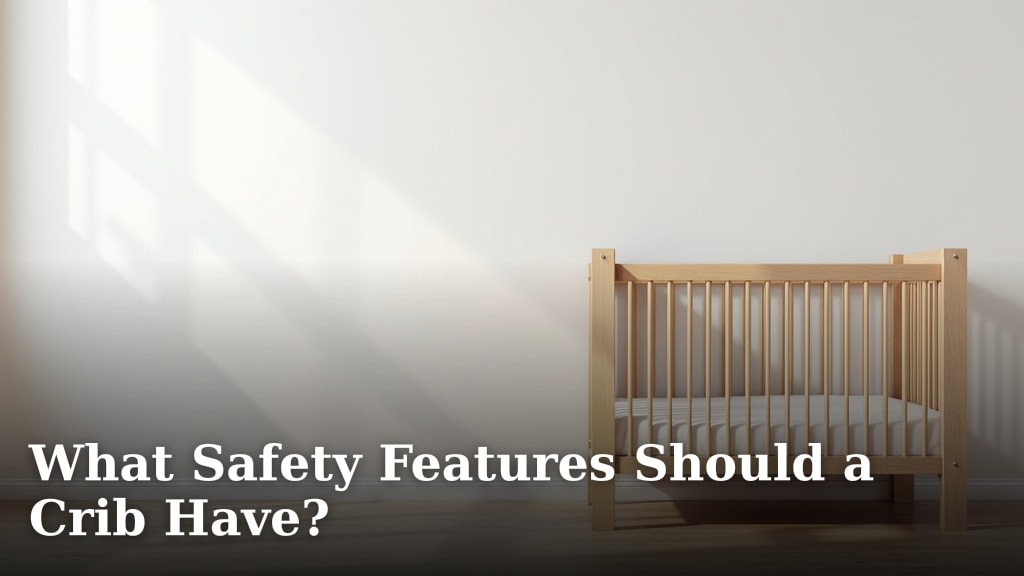
The crib also needs to meet current safety requirements and be structurally sound. If you're deciding whether to replace it, start with How to Pick a Safe Crib: Key Features to Know and review what safety features a crib should have.
A crib liner won't solve a lead paint concern. For a separate liner safety question, read about mini crib mesh liner safety.
Read our guide to whether a baby crib liner is safe before adding anything inside the sleep space.
What should you check before choosing a replacement crib?
Choose a crib with an identifiable manufacturer and model, intact finish, and clear safety information. Check for recalls, inspect the frame and hardware, and follow the manufacturer's care instructions.
For spacing details, see crib slat safety standards.
For a new crib, a chemical certification can provide useful information about emissions, but it doesn't replace checking the crib's safety and condition. Our guide to best non toxic baby cribs explains what to compare, and what paint is safe for a crib covers repainting considerations.
If you can't find a crib's model or safety label, see whether a crib is required to have a certification label. Avoid using a crib with missing parts, structural damage, or an uncertain history that you can't verify.
When should you stop using a crib with lead paint concerns?
Stop using it as soon as you see flaking, peeling, or powdery paint, or if its history is unknown and your child can reach the finish. Keep the crib out of the baby's sleep space until you get qualified guidance.
A replacement can be a full-size crib or a suitable newborn sleep space, depending on your needs. If you want a crib that changes configuration as your child grows, compare convertible baby crib options.
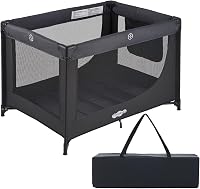
If you're comparing portable options for trips, our guide to travel cribs and Pack ’n Plays can help you understand that choice; a travel crib isn't a fix for a damaged crib at home.
For a product-specific example, read our Babyletto Gelato crib review and check the model details and safety information before deciding.
What is the safest next step for lead paint on baby cribs?
If paint is damaged or the crib's history is unclear, stop using it and keep your child away until a qualified professional advises you. Don't disturb the finish, and ask your local health department about testing and safe handling.
If the crib is intact and its age and model are known, check for recalls and confirm it meets current requirements before use. For a crib you can't verify or safely repair, choose a replacement with clear manufacturer information and an intact finish.
Frequently asked questions
Can baby cribs have lead paint?
Yes. Older cribs and cribs with unknown paint history can have lead paint, and damaged paint can create chips or dust that a child may swallow or breathe in.
Stop using a crib with peeling or chipping paint, keep your baby away, and contact your local health department about testing and next steps.
How can I tell if an old crib has lead paint?
You usually can't tell by looking at the color or finish. A lead test performed by a qualified professional can help identify lead, while a home test kit may not give a reliable answer for every surface.
Until you know more, keep children away from damaged paint and dust.
Should I repaint a crib that may contain lead?
Don't sand, scrape, or repaint a crib that may contain lead, since disturbing the coating can spread dust.
Keep the crib out of use and ask your local health department or a lead-safe professional about testing and disposal. If you choose a replacement, check its age, labels, and current safety guidance.
Are new cribs guaranteed to be lead-free?
New cribs sold in the United States must meet federal limits for lead in accessible materials, but a label alone doesn't answer every question about a specific crib's finish or condition. Check the manufacturer and model, follow care instructions, and stop using any crib with damaged coating or structural problems.