What Are Baby Wipes Made Of?
Baby wipes are made of a soft nonwoven fabric soaked in a water-based solution. The solution may include skin conditioners, pH adjusters, cleansing ingredients, and preservatives.
On this page (9 sections)
- What are baby wipes made of?
- What is the wipe fabric made from?
- What is in the liquid inside baby wipes?
- Which baby wipe ingredients may matter for sensitive skin?
- Are plant-based baby wipes better?
- What is the difference between baby wipes and wet wipes?
- How should you read a baby wipe ingredient label?
- What should you use with baby wipes during changes?
- So, what are baby wipes made of?
Baby wipes are made of a soft, nonwoven sheet saturated with a water-based cleansing solution. The sheet provides the texture and strength, while the liquid carries cleansing ingredients, skin conditioners, pH adjusters, and preservatives.
The exact formula varies by brand and product line. If your baby has sensitive skin, compare the full ingredient panel rather than relying only on words such as natural, gentle, or plant-based.
What are baby wipes made of?
Baby wipes are made of two main parts: the wipe fabric and the liquid solution. The fabric is designed to hold together while you clean, and the solution keeps the sheet wet inside its sealed package.
The fabric may use plant-based materials, synthetic fibers, or a blend. Huggies Natural Care Sensitive Baby Wipes are described as plant-based, with 70% or more plant-based materials by weight.
The liquid usually begins with purified water. Other ingredients can help loosen residue, keep the formula balanced for skin, add moisture, or prevent microbial growth inside the package.
A baby wipe can be fragrance-free and still contain several functional ingredients. Fragrance-free means no added fragrance, not that the wipe contains only water.
What is the wipe fabric made from?
The wipe fabric is usually a nonwoven sheet, which means fibers are bonded together instead of woven into a traditional cloth. This creates a disposable sheet that can absorb and release a controlled amount of liquid.
Plant-based fibers may come from materials such as wood pulp or other plant sources, but the package is the best place to confirm what a specific brand means. A plant-based claim also does not tell you whether the wipe is compostable or safe to flush.
Synthetic fibers can give a wipe strength and softness, but they may not break down like paper. Disposal instructions matter even when a product feels thin or cloth-like.
For nursery routines, keep wipes within reach of your changing table, but away from the baby's hands. Close the lid or flip-top after each use so the remaining wipes do not dry out.
What is in the liquid inside baby wipes?
The liquid inside baby wipes is usually a water-based solution with cleansing and skin-care ingredients. Common ingredient groups include water, mild cleansing agents, moisturizers, pH adjusters, preservatives, and sometimes plant extracts or vitamins.
Water helps spread the solution across the sheet and loosen urine or stool. Cleansing agents can help lift residue from the skin, while moisturizers may help the wipe feel less drying during use.
pH adjusters help move the formula toward a level chosen for skin contact. Preservatives help protect the water-rich package from unwanted microbial growth over time.
Ingredient names can be difficult to compare because brands use technical names. Look for the terms that matter to your family, then compare products with similar claims instead of assuming that a shorter ingredient list is always better.
The FDA explains how cosmetic ingredients are listed and identified in its cosmetic ingredient labeling guidance.
Which baby wipe ingredients may matter for sensitive skin?
For sensitive skin, start by checking for fragrance, alcohol, and preservatives, then consider whether the wipe is unscented and pH balanced. A product can work well for one child and irritate another.
Huggies Natural Care Sensitive Baby Wipes are unscented, hypoallergenic, dermatologist-tested, and pH balanced. The formula is described as free of fragrance, alcohol, parabens, and phenoxyethanol, and it includes aloe and vitamin E.
This 12-pack format contains 768 wipes in 12 flip-top packs. It may suit families who want a larger supply of sensitive-skin wipes for a changing area and diaper bag.
A fragrance-free label is useful when you want to avoid added scent, but it is not a guarantee that irritation cannot happen. Test a new wipe on a small area first, and stop using it if your baby's skin becomes red or uncomfortable.
Our guide to the best baby wipes can help you compare wipe types and package formats. For older children, see the best baby wipes for toddlers for a more age-specific comparison.
Are plant-based baby wipes better?
Plant-based wipes may appeal to parents who want a stated share of plant-derived material, but plant-based does not automatically mean chemical-free, compostable, or flushable. Check the exact percentage and disposal instructions.
The Huggies Natural Care Sensitive line identifies the wipes as 70% or more plant-based by weight. That wording describes the material content, while the product's sensitive-skin claims describe other parts of the formula.
Choose based on the combination of fabric, solution ingredients, skin response, packaging, and disposal needs. If you need a wipe for a newborn, compare that use case with our guide to the best baby wipes for newborns.
The larger 15-pack Huggies option contains 960 wipes. It has the same 64-wipe-per-pack format described in the title and may fit a household that wants more packs available at once.
The main difference between these two Huggies options is the total pack count. Pick the 12-pack when 768 wipes is enough for your storage space, or choose the 15-pack when you want 960 wipes spread across more flip-top packs.
What is the difference between baby wipes and wet wipes?
Baby wipes are formulated and labeled for cleaning a baby's skin, while wet wipes is a broader term that can include personal cleansing wipes, household wipes, and other premoistened products. The intended use on the package matters more than the word wet.
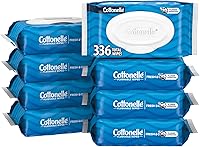
Adult personal cleansing wipes may not be suitable for a baby. Cottonelle Fresh Feel Flushable Adult Wet Wipes are labeled for adults and come as 8 flip-top packs of 42 wipes, for 336 wipes total.
Cottonelle describes these wipes as fragrance-free from harsh chemicals and free of MIT, parabens, and alcohol. It also describes them as flushable and designed to break down like toilet paper, but those adult-use claims do not make them baby wipes.
Read our comparison of baby wipes vs wet wipes before substituting one product for another. For disposal concerns, our guide to what baby wipes are recalled can help you check product-safety information.
How should you read a baby wipe ingredient label?
Read the label in this order: intended use, fragrance, alcohol, preservatives, skin claims, and disposal instructions. Then compare the package count and dispensing style for your daily routine.
First, confirm that the wipe is intended for babies. Next, check whether it is scented or unscented and look for ingredients your child has reacted to before.
Claims such as hypoallergenic, dermatologist-tested, and pH balanced describe how the product is positioned, but they do not predict every baby's response. Skin can react to a formula even when the package uses gentle wording.
Do not flush a wipe just because it is wet or thin. The phrase flushable belongs to a specific product label, and the safest choice for most baby wipes is to place the used wipe in a lined diaper pail or trash can.
What should you use with baby wipes during changes?
Baby wipes handle skin cleanup, but a complete changing routine also needs a clean surface and safe disposal. Keep the baby supported, use one hand for the baby whenever needed, and prepare supplies before opening the diaper.
Waterproof liners can protect the changing surface from leaks and make cleanup simpler. Compare the best waterproof changing pad liners if you need a removable layer for a changing pad.
Disposable diapers also use several material layers for absorbency and containment. Learn what are the properties of disposable diapers to understand how wipes fit into the wider diapering system.
Use enough wipes to clean without rubbing hard. Pat the area dry when needed, allow the skin to air briefly if practical, and follow your pediatrician's advice for ongoing redness, sores, or discomfort.
So, what are baby wipes made of?
Baby wipes are made of a disposable nonwoven fabric plus a water-based solution. The solution may include mild cleansing ingredients, moisturizers, pH adjusters, plant extracts, vitamins, and preservatives.
Choose unscented, fragrance-free options when those features fit your baby's skin needs. Pick Huggies Natural Care Sensitive Baby Wipes in the 768-wipe format for a smaller supply, or the 960-wipe format when you want more packs available.
For adult personal cleansing, Cottonelle Fresh Feel is a separate category. Choose products by intended use, read the ingredient panel, and use the disposal method printed on the package.
Frequently asked questions
What are baby wipes made of?
Baby wipes usually combine a soft nonwoven sheet with a mostly water-based cleansing solution. Depending on the brand, the solution may also contain skin conditioners, pH adjusters, cleansing agents, and preservatives.
Read the ingredient panel to check for fragrance, alcohol, parabens, and other ingredients you want to avoid.
Are baby wipes made from plastic?
Some wipe fabrics contain synthetic fibers, while others are partly or mostly plant-based. The phrase plant-based does not mean the entire wipe is made from plants.
Check the package wording for the percentage and follow disposal instructions, because plant content does not automatically make a wipe flushable or compostable.
What ingredients should I avoid in baby wipes?
There is no single ingredient list that suits every baby. If your child has sensitive skin, compare unscented and fragrance-free options, check for alcohol and preservatives you already know cause irritation, and stop using a wipe if redness or discomfort appears.
Ask a pediatrician about persistent symptoms.
Are flushable wipes safe for babies?
Flushable wipes made for adults are not automatically baby wipes. Check the product's intended use before using it on a baby, and follow local sewer guidance when disposing of any flushable wipe.
A wipe labeled for babies and a wipe labeled for adult personal cleansing are different product categories.