What Baby Wipes Are Recalled?
What baby wipes are recalled depends on the brand, lot code, and recall notice. Check official manufacturer and government notices, compare every pack's details, and stop using wipes that match a recall.
On this page (8 sections)
- How do you check what baby wipes are recalled?
- What should you do if your wipes match a recall?
- Which details matter most in a baby wipe recall?
- What replacement wipes can suit different needs?
- How should you store wipes while checking a recall?
- What do material and package labels tell you?
- How can you avoid using a recalled pack by mistake?
- What baby wipes are recalled right now?
What baby wipes are recalled depends on the exact brand, product name, lot code, UPC, and notice date. Check the manufacturer and official government recall sources, then stop using any pack that matches the affected details.
A recall may cover one lot, package size, production date, or sales period instead of every wipe from a brand. Keep the package so you can compare its printed information and follow the correct return or disposal instructions.
How do you check what baby wipes are recalled?
Match the notice to the pack in your home, not just to the brand name. Compare the brand, full product name, wipe count, package type, lot or batch code, UPC, and any date range shown in the notice.
Look for codes on the outer packaging, the individual pack, or a sealed case. Take a clear photo before throwing anything away, because the manufacturer may ask for the code or package details.
Start with the brand's safety or recall page. You can also check the [U.S.
Consumer Product Safety Commission recall search](https://www.cpsc.gov/Recalls), especially when a notice concerns packaging, contamination, or another consumer-product safety issue.
A retailer email can alert you to a problem, but use the official notice for the affected lot numbers and instructions. Do not assume every pack is included because the product name looks similar.
What should you do if your wipes match a recall?
Stop using the affected wipes and separate them from other diaper supplies. Seal the package or place it in a separate bag, but keep the label and identifying codes available.
Read the notice for instructions about refunds, returns, disposal, replacement products, or customer support. Do not give the wipes to another family or donate them while you are checking their recall status.
If your child develops a rash, swelling, breathing trouble, vomiting, or another concerning symptom after use, stop using the wipes and contact a health professional. Seek urgent care for severe or rapidly developing symptoms.
Use plain water and a clean cloth temporarily if that suits your baby's skin and your care routine. Our guide to what are baby wipes used for explains common cleaning uses and limits.
Which details matter most in a baby wipe recall?
The lot or batch code usually matters more than the front label. Two packs can share a brand and product name while coming from different production lots.
Check these details in order:
- Brand and full product name.
- Unscented, scented, sensitive, or other variant.
- Pack count and package type.
- Lot, batch, date, or production code.
- UPC or other barcode.
- Recall date and affected sales period.
Packaging may vary, so compare the code and product description carefully. If a notice tells you to contact the manufacturer with proof of purchase or package photos, follow that process before disposing of the pack.
What replacement wipes can suit different needs?
Choose a replacement by skin needs, intended use, and pack size after confirming that it is not part of the recall. The products below give different options, but their names and package details should still be checked against current safety notices before use.
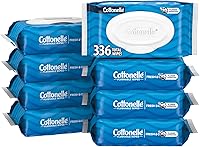
The Cottonelle option is an adult wet wipe, so it isn't a direct baby-diaper replacement. It may suit a household that needs adult cleansing wipes, while families shopping for infant diaper changes should focus on products labeled as baby wipes.
Cottonelle describes these wipes as flushable and says they break down like toilet paper. It also says they have no harsh chemicals and are free of MIT, parabens, and alcohol.
Follow local sewer or septic guidance before flushing any wipe.
The Huggies 12-pack is designed for families who want a larger supply of unscented sensitive baby wipes. Its title identifies 12 flip-top packs, 768 wipes total, 99% purified water, and packaging that may vary.
Huggies describes this version as hypoallergenic, dermatologist-tested, pH balanced, and free of fragrances, parabens, phenoxyethanol, and alcohol. The wipes are plant-based at 70% or more by weight, and Huggies says the unscented version has the National Eczema Association Seal of Approval.
The 15-pack has the same named Huggies Natural Care Sensitive Baby Wipes line but a larger total quantity. It includes 15 flip-top packs and 960 unscented wipes, so it may fit a household that wants more packs available at home.
Huggies describes this version as hypoallergenic, dermatologist-tested, pH balanced, and free of fragrances, parabens, and alcohol. It is plant-based at 70% or more by weight, and Huggies says the wipes include aloe and vitamin E.
For more selection guidance, compare the best baby wipes and the best baby wipes for toddlers. If you are unsure how labels differ, read baby wipes vs wet wipes before choosing a replacement.
How should you store wipes while checking a recall?
Keep unopened packs in a clean, dry place and leave their labels visible. Do not remove the outer packaging if you are still comparing codes or waiting for instructions.
Store open wipes with the lid or seal closed. This helps limit drying during normal use, but it does not make a recalled product safe to use.
Keep baby-care supplies near, but not inside, a changing surface where a child could pull them down. The changing and diapering complete buying guide covers the wider setup around a changing table.
What do material and package labels tell you?
Material and ingredient labels help you compare wipes, but they do not replace a recall check. A product can have a sensitive-skin label and still be included in a lot-specific notice.
Huggies describes its Natural Care Sensitive wipes as plant-based at 70% or more by weight. Its titles also identify unscented wipes, 99% purified water for the 12-pack, and packaging that may vary.
Read what are baby wipes made of to understand how wipe materials and liquid ingredients affect your choice. Stop using any pack that matches a recall even if its ingredients seem suitable for your child.
How can you avoid using a recalled pack by mistake?
Keep one unopened pack's label until the replacement is confirmed. When buying more wipes, compare the full name and package details instead of relying on a familiar color or brand logo.
Check notices before opening a new case, especially after a retailer message or manufacturer alert. If you keep wipes in a diaper bag, move the lot code with the pack so you can identify it away from home.
A diaper disposal system can also be part of the changing area, but it does not affect whether wipes are recalled. Compare the Diaper Genie Compact vs Classic if you are planning the storage and disposal setup around your changing space.
What baby wipes are recalled right now?
The answer changes as manufacturers publish, update, or close notices, so verify the exact pack before use. A current recall notice should identify the affected product and explain what to do with it.
Pick a replacement only after checking its brand, variant, pack details, and lot code against current notices. Choose Huggies Natural Care Sensitive in the 768-wipe pack for a larger regular supply, the 960-wipe pack for the largest quantity here, or Cottonelle only when you need an adult wet wipe rather than a baby wipe.
Frequently asked questions
How do I know if my baby wipes are recalled?
Compare the brand, product name, package size, lot code, UPC, and date range in the official recall notice with the pack you have. If the details match, stop using the wipes and follow the manufacturer's instructions for refunds, disposal, returns, or replacement.
What should I do with recalled baby wipes?
Stop using recalled baby wipes and keep the package until the manufacturer explains the next step. Follow the recall notice for disposal, refund, return, or replacement instructions, and contact a health professional if your child has a concerning reaction.
Can I use baby wipes after a recall?
Use wipes only when the brand, lot, and other identifying details do not match the affected products in the notice. A different pack from the same brand may not be included, but check the complete recall notice before using it.
Where are baby wipe recalls posted?
Check the manufacturer's customer-safety page and government recall databases, including the U.S. Consumer Product Safety Commission when the product falls under its authority.
Retailer alerts can help, but the official notice controls the affected lots and instructions.