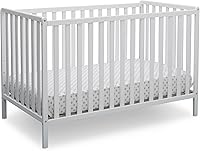
Crib vs Bassinet for a Newborn: Which Is Better? (October 2026)
Choose a bassinet for a compact sleep space you can move around the home, or a crib for a longer-use option. Your room, routines and the sleep space’s limits should guide the crib vs bassinet choice for a newborn.
On this page (6 sections)
Choose a bassinet for a compact sleep space you can move around the home, or a crib for a longer-use option. Your room, routines and the sleep space’s limits should guide the crib vs bassinet choice for a newborn.
A bassinet usually takes less floor space and can be easier to move between rooms. A full-size crib needs a bigger footprint, but it can remain useful beyond the newborn stage.
The safest choice is a sleep space that meets current requirements, fits your home and is used as its instructions direct. We compared room fit and useful lifespan, then included options for a fixed nursery, a portable setup and a crib mattress.


Crib vs bassinet for a newborn: which should you choose?
Choose a bassinet if you need a smaller sleep space close to where you spend time; choose a crib if you have room and want a sleep space that can serve your child longer. Neither option is right for every home.
A bassinet can fit next to a bed or in a small room, though you still need space to reach the baby and move safely around it. A crib has a larger footprint and is less convenient to move once assembled.
Think about where the baby will sleep at night and where you need a safe place for daytime naps. If those places are in different rooms, portability may matter more than long-term use.
For a step-by-step crib decision, see How to Choose a Crib for a Newborn: A Simple Checklist. If you’re comparing the sleep spaces more broadly, our baby crib vs bassinet guide covers the main differences.
How much room does each sleep space need?
A bassinet generally fits more easily in a smaller bedroom, while a crib needs a dedicated area. Measure the complete space before you decide, including room to approach the sleep space and use nearby furniture.
The Dream On Me Karley bassinet measures 34.5 x 19.5 x 37 inches. The Graco Benton crib measures 56.73 x 29.72 x 41.68 inches, so it needs substantially more floor area.
Those measurements describe the products, not the safe working space around them. Check the manual for placement and clearance directions, and make sure doors, drawers and walking paths remain usable.
Which fits beside a bed?
A bassinet’s narrower footprint can make bedside placement easier. Check the exact height and layout against your bed, then follow the bassinet manual for any placement rules.
A crib may fit in a larger bedroom, but it can be hard to position beside a bed without blocking access. Mark its footprint on the floor with painter’s tape and try walking around it before setting up the nursery.
Which is easier to move?
A lightweight folding bassinet can suit a family that wants to move the sleep space from one room to another. The Karley weighs 12.4 lb and has a quick-fold design.
The Pamo Babe playard also folds and includes a carrying bag. Its setup combines a playard, newborn bassinet, insert bassinet and changing table, which may be useful when you want several functions in one unit.
Moving a sleep space does not remove the need to check that it is assembled, placed and used correctly each time. Follow its manual after moving or unfolding it.
Which option has a longer useful lifespan?
A crib usually lasts longer because it can keep serving as a sleep space after a baby outgrows a bassinet. The exact timing depends on the child and the product’s stated limits.
The Dream On Me bassinet has a maximum weight recommendation of 25 lb. The Pamo Babe infant bassinet has a 20 lb limit, and its playard has separate limits and age guidance.
The Graco Benton converts from a crib to a toddler bed, daybed and full bed, though some conversion parts are sold separately. The crib itself must stop being used in crib mode when a child can easily climb out or is taller than 35 inches.
A longer-use crib requires more space now, and later use depends on the child, the instructions and having compatible parts. Before choosing based on conversions, check which parts come with the crib and which you would need to buy separately.
Is a bassinet or crib better for a newborn in a small home?
A bassinet can be the more practical choice when a full-size crib would block a doorway or leave too little room to move. A foldable option may also be easier to store when it is not in use.
If the home has enough space for a crib, starting with one can avoid changing sleep spaces when the baby outgrows a bassinet. Consider where it will fit after the newborn stage too, since the nursery may change as your child grows.
If you want one setup with more than one sleep-space function, compare a convertible bassinet to crib option. A baby crib and bassinet combo may also suit a room where you want to plan both uses.
What should you check before choosing?
Check the product’s intended use, stop-use limits and required setup before you buy. The label “bassinet,” “crib” or “playard” alone does not tell you how every configuration can be used.
Read the manual for the exact model and setup. Confirm which mattress or pad is approved, how the sleep space should be assembled, and when you must stop using it.
For a crib, check that the mattress is the right size and fits as directed. The Graco Premium Foam Baby Crib & Toddler mattress measures 52 x 27.6 x 4.5 inches and is made for standard full-size cribs and toddler beds, not bassinets.
The Graco Benton crib requires a separately sold mattress. For its later bed formats, the toddler guardrail and full-size conversion kit are also sold separately.
A bedside sleep plan can also include a portable playard, depending on the product’s intended use. The Pamo Babe infant bassinet is limited to 20 lb, while its playard has a separate 33 lb limit and a maximum height of 35 inches.
If you’re considering an electric model, first compare what it does with your actual needs. Our guide to an electric crib for baby explains what to check.
Which products fit each newborn sleep plan?
The Graco Benton suits a nursery with room for a convertible crib; the Karley suits a smaller, movable bassinet setup. The Pamo Babe combines several functions, while the Graco mattress is for a compatible full-size crib.
The Benton measures 56.73 x 29.72 x 41.68 inches. Its mattress, toddler guardrail kit and full-size bed conversion kit are sold separately.
This mattress is not a bassinet mattress. Check the crib manual for the required mattress size and fit.
Its infant bassinet has a 20 lb limit, and the playard has separate limits. Check the manual for the intended use of each configuration.
Its measurements are 34.5 x 19.5 x 37 inches, and its maximum weight recommendation is 25 lb. Review the manual for its stop-use conditions.
How do you make the final choice?
Pick a bassinet if room fit and moving it around matter most; pick a crib if you have space and want a sleep space with a longer potential use. A portable playard with a bassinet can combine functions if its size and limits suit your home.
Measure the room, check the manuals and decide where the baby will sleep each day. Then compare the exact mattress requirements and stop-use limits for the options you’re considering.
For help with a bassinet that transitions to a crib, read about choosing a bassinet that converts to a crib. For crib setup details, see how to choose crib hardware and how to choose crib bedding safely.
If travel is part of your plan, compare the Guava vs Newton travel crib guide before choosing a portable sleep space.
Frequently asked questions
Should a newborn sleep in a crib or bassinet?
Either can serve as a newborn sleep space when it meets current safety requirements and you follow its manual. A bassinet often fits better beside a bed or in a smaller room, while a crib gives more room and can remain useful longer.
Choose based on space, routine and the product’s limits.
How long can a baby use a bassinet?
A baby can use a bassinet only until reaching the product’s stated limit, such as its weight limit or another stop-use condition in the manual. Limits vary by model, so check yours before use and move your baby to another suitable sleep space when a limit is reached.
Does a newborn need both a crib and a bassinet?
No, a newborn does not automatically need both. A crib can be the only sleep space if it fits your room and routine.
Some families add a bassinet for a smaller bedside setup or to move sleep space between rooms, but that choice depends on budget, space and intended use.
Can a convertible crib replace a bassinet?
A convertible crib can be the newborn’s main sleep space if it is assembled and used according to its manual. It takes more floor space than a bassinet, but can convert to later bed formats.
Check the required mattress and any separately sold parts before choosing it.
Can a pack and play bassinet be used for overnight sleep?
Use a pack and play bassinet for sleep only if its manufacturer instructions identify that setup for sleep and you follow all limits and directions. A playard can have separate parts with different intended uses, so check the manual for the specific configuration you plan to use.