How to Choose Crib Bedding Safely: What to Consider
Choosing safe crib bedding involves looking for items that are breathable and fit snugly. Always avoid loose blankets, pillows, and bumpers. These can pose a suffocation risk for your baby. Your goal is a safe sleep environment for your little one.
Research shows that the safest sleep space for infants is one that is bare. This means avoiding any extra items in the crib. We found that focusing on a fitted sheet and a sleep sack is the best approach. This helps keep your baby warm without adding hazards.
- Focus on breathable materials.
- Always use a snug-fitting sheet.
- Avoid pillows, blankets, and bumpers.
- Consider a sleep sack for warmth.
Let’s walk through exactly what to look for to ensure your baby’s crib bedding is as safe as can be.
Choosing Safe Crib Bedding: What to Keep in Mind
Selecting the right crib bedding can feel overwhelming. You want a cozy nursery. But more importantly, you need a safe sleep space for your baby. We’ve researched the latest safety guidelines. Our focus is on protecting your little one. We’ll help you navigate the options.
The Bare Essentials: What Your Baby Truly Needs
When it comes to cribs, less is definitely more. Research strongly recommends a bare crib. This means the safest sleep environment is free of anything extra. Think of it like a clean slate for sleep. The American Academy of Pediatrics (AAP) recommends this approach to reduce risks.
What does a bare crib look like? It usually means just a firm mattress. It should have a fitted sheet. That’s really it for the crib itself. Anything else could potentially get in the way of safe sleep.
Why “Bare” is Best for Baby
Why the emphasis on keeping things simple? Soft bedding can be dangerous. Loose items can shift. They might cover your baby’s face. This can lead to breathing problems. We found that avoiding these risks is the top priority. Babies can’t move themselves out of unsafe situations. So, we have to create that safety for them.
Many parents worry their baby will be cold without blankets. We understand that concern. But there are ways to keep your baby warm safely. We’ll cover those options soon. For now, remember: a bare crib is the safest crib. This is a key point many pediatricians stress.
Understanding Crib Bedding Components and Safety
Let’s break down the common items you might see for cribs. Understanding what they are helps you make smart choices.
Fitted Sheets: Your Go-To Essential
A fitted crib sheet is the only bedding item recommended for inside the crib. It’s designed to fit snugly over the mattress. Look for sheets made from natural, breathable fabrics. Cotton is a popular choice. It’s soft and allows air to circulate. This helps prevent overheating.
Make sure the sheet has deep pockets. It should go all the way under the mattress. This prevents it from coming loose. A loose sheet can create a hazard. You should have to work a bit to get it on. That’s a good sign it will stay put. Always check the fit. It should be tight with no slack.
Fabric Choices for Fitted Sheets
When choosing a fitted sheet, think about the material.
- 100% Cotton: Soft, breathable, and easy to clean. Organic cotton is a great option if you’re concerned about pesticides.
- Bamboo Blends: Often very soft and has moisture-wicking properties. It can be a good choice for temperature regulation.
- Linen: Durable and breathable, though can be a bit stiffer initially. It softens with washing.
What to AVOID in the Crib: The Danger Zone
This is where we need to be extra careful. Several items commonly sold as crib bedding are actually unsafe. Experts consistently advise against them. We found that avoiding these items is non-negotiable for baby safety.
Blankets and Comforters: The Big No-No
Loose blankets are a serious suffocation risk. Babies can become entangled. They can also pull the blanket over their face. This blocks their airway. Research from the CDC highlights soft bedding as a contributing factor in sleep-related infant deaths.
Even lightweight comforters pose a risk. They are not needed for warmth in a properly outfitted safe sleep space. If your baby needs more warmth, there are safer alternatives. We’ll discuss those in a moment. For now, keep all blankets and comforters out of the crib.
Pillows: Not for Babies
Pillows are another item to keep out. Babies do not need pillows. They can become a suffocation hazard. Their necks are not yet developed enough to move away from a pillow. So, never place a pillow in the crib with your baby. This is a simple rule that makes a big difference.
Crib Bumpers: Outdated and Dangerous
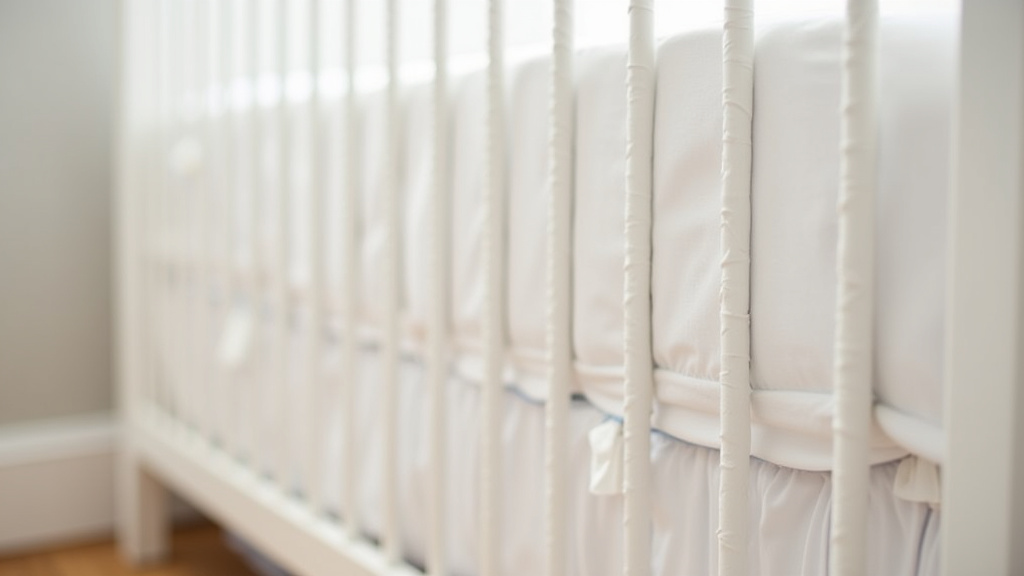
Crib bumpers, especially the padded kind, are a major concern. They have been linked to suffocation and strangulation incidents. The Consumer Product Safety Commission (CPSC) has issued warnings about them. They can shift and create gaps where a baby’s head could get trapped. Some babies have even been found with their faces pressed against the padding.
Even the mesh bumpers, while seeming safer, are not recommended. There’s not enough research to prove their safety. Many safety organizations now call for a complete ban on all types of crib bumpers. It’s best to skip them entirely. You want to protect your baby, and bumpers can actually put them at risk.
Positioners and Wedges: Unnecessary Risks
Similar to bumpers, sleep positioners and wedges are not recommended. They are designed to keep a baby from rolling over. However, they can also pose a suffocation or entrapment risk. Babies can roll into them. They can get stuck against the positioner. The safest sleep advice is to let your baby sleep in whatever position they naturally settle into, on their back.
Safer Alternatives for Warmth and Comfort
So, if you can’t use blankets or pillows, how do you keep your baby warm? This is a common question we hear. Fortunately, there are excellent, safe solutions.
Sleep Sacks: The Smart Choice for Cozy Warmth
A sleep sack is a wearable blanket. It’s essentially a sleeveless garment that your baby wears over their pajamas. They zip up the front. This ensures they stay in place. Sleep sacks come in different weights, or TOG ratings, for various temperatures. They keep your baby warm without the risks of loose bedding.
We found that sleep sacks are a fantastic option. They allow for freedom of movement. Your baby can still kick and stretch. But they can’t get tangled. They also help prevent the baby from scratching their face with their hands. Many parents love them for their convenience and safety features. Always ensure the sleep sack fits properly. It should not be too large around the neck.
Choosing the Right Sleep Sack
When picking a sleep sack, consider these points:
- Material: Look for breathable fabrics like cotton.
- TOG Rating: This indicates warmth. A lower TOG is for warmer rooms, a higher TOG for cooler rooms. Check the manufacturer’s guide for room temperature recommendations.
- Fit: Ensure it’s not too loose around the neck or armholes. Babies grow fast, so you might need different sizes.
Many sleep sacks are designed for easy diaper changes. This is a huge plus for nighttime wake-ups. They offer peace of mind for parents, knowing their baby is warm and secure.
What About Crib Toys and Other Items?
Just like soft bedding, other items should also be kept out of the crib. This includes stuffed animals, mobiles that hang over the crib, and even teething toys. While these might seem harmless, they can pose entanglement or suffocation risks. Keep the crib a clear, safe space for sleep only. All these fun items can be enjoyed during supervised playtime outside the crib.
Setting Up the Safest Sleep Environment: A Quick Checklist
To make sure you’ve got everything covered, here’s a simple checklist. It summarizes the most important safety points.
- Use a firm, flat mattress.
- Always use a fitted sheet that’s snug.
- Keep the crib bare: no blankets, pillows, or bumpers.
- Consider a sleep sack for warmth.
- Remove any toys or mobiles from the crib.
- Ensure the crib itself meets current safety standards.
Creating a safe sleep space is one of the most important things you can do for your baby. By following these guidelines, you can rest easier knowing your little one is protected.
Conclusion
Creating a safe sleep space for your baby is your top priority. We’ve shown you that a bare crib is the safest choice. This means focusing on a firm mattress with a snug-fitting sheet. Always skip loose items like blankets, pillows, and bumpers. They can pose serious risks. For warmth, a sleep sack is the recommended, safe alternative. By following these simple steps, you can provide a secure environment for your little one’s rest. Now, take these guidelines and set up your baby’s crib with confidence.
Frequently Asked Questions
Can I use a crib sheet with characters or thicker padding?
You should always choose fitted sheets made from breathable, natural materials like cotton. While character sheets are fine, avoid any with extra padding or a loose fit. The key is a sheet that fits snugly and is made of a material that allows air to circulate.
Is it really okay for my baby to sleep without any blankets?
Yes, it is. Research strongly recommends a bare crib to prevent suffocation risks. If your baby needs extra warmth, a sleep sack is the safest way to go. These wearable blankets keep your baby cozy without posing a danger.
What if my baby’s room gets very cold? Should I use blankets then?
Even in a cold room, loose blankets are not safe. Instead, opt for a sleep sack with a higher TOG rating. The TOG rating indicates the warmth level. You can also layer your baby’s pajamas underneath the sleep sack for added warmth.
Are mesh crib bumpers safe since they are less padded?
No, mesh crib bumpers are still not recommended by safety experts. While they might seem like a safer option than padded bumpers, there’s not enough evidence to prove their safety. It’s best to avoid all types of crib bumpers to ensure a completely safe sleep environment.
How often should I check if the fitted sheet is still snug?
You should check the fitted sheet every time you change your baby or make the crib. Ensure it is still pulled taut across the mattress with no slack. This prevents it from coming loose and becoming a hazard for your baby.