What Are Disposable Diapers Made Of?
Disposable diapers use several layers, including a soft liner, absorbent core, leak-resistant backing, and fastening tabs. These parts work together to move moisture away from skin, hold liquid, and keep the diaper in place.
On this page (8 sections)
- What are the properties of disposable diapers?
- How do the outer layers prevent leaks?
- How do diaper closures and elastic sections work?
- What features matter for newborns and overnight use?
- How do disposable diapers compare with cloth diapers?
- What is a pocket cloth diaper?
- How should you match diaper features to daily use?
- What should you remember about disposable diaper materials?
Disposable diapers are made from a soft inner liner, absorbent core, liquid-distribution materials, leak-resistant backing, elastic sections, and closures. These parts pull moisture away from the skin, hold wetness, and stay around the baby's body.
The inner liner is the part your baby feels most. It lets liquid pass through quickly while keeping the surface feeling dry.
A liner that stays wet can make skin uncomfortable, so the speed at which moisture moves into the core matters as much as softness.
The absorbent core sits behind the liner and does the main work of holding urine. Most disposable cores combine fluffy fibers that spread liquid with absorbent material that traps it.
That mix helps the diaper take in a sudden wetting without letting liquid pool on the surface.
A distribution layer spreads liquid away from the first wet spot. Without that spread, one small area could fill up while the rest of the diaper stays unused.
Even distribution helps the diaper feel drier and makes better use of its full capacity.
The backing acts as a barrier between the wet core and clothes or bedding. Elastic sections around the legs and waist help the diaper follow the baby's shape as they kick, roll, and sit.
Closures then hold everything in place.
The exact blend varies by brand and design. Some diapers also include a wetness indicator, a pocket for the umbilical area, a blowout barrier, or a shaped fit.
Those extras serve different needs, and fit remains the guide for whether any of them will work well in daily use.
Set up changes with the diaper centered under your baby and both tabs fastened evenly. Pull the leg cuffs outward so they can seal against the skin.
Check the fit at the waist and legs at each change, since a small adjustment can matter more than a new pack.
What are the properties of disposable diapers?
The main properties of disposable diapers are absorbency, moisture control, leak resistance, fit, flexibility, and ease of fastening. You can use these properties to compare diapers instead of focusing only on the package size.
A diaper needs to absorb urine quickly and spread it through the core. It also needs to limit wetness against the skin, stay closed during movement, and fit closely enough around the legs and waist to reduce gaps.
Parents who are setting up a nursery may also want a clear place for supplies. Our guide to a changing table covers the furniture and storage features that support everyday diaper changes.
How do disposable diapers absorb liquid?
Disposable diapers absorb liquid through a layered core that combines absorbent fibers and superabsorbent material. The fibers draw liquid into the core, while the absorbent material holds much of that liquid so it does not flow back easily.
A distribution layer helps move liquid away from the first wet spot. That matters because one small section of the diaper can become saturated while other areas remain unused.
The absorbent core is not a reason to leave a wet diaper on longer than needed. Change your baby regularly and follow guidance from your pediatrician for skin concerns.
What does the inner liner do?
The inner liner is the layer next to the baby's skin. It is designed to let liquid pass into the absorbent core while helping the surface feel drier.
A soft liner can make changes more comfortable, but softness alone does not guarantee a good fit. Check the waist and leg openings for leaks, gaps, or tight marks.
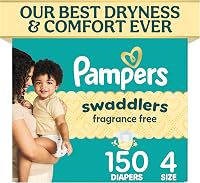
For a diaper that combines a fragrance-free and hypoallergenic design with an absorbent core, Pampers Swaddlers Diapers are one option to compare.
Pampers Swaddlers come in a 150-count pack and are labeled free of parabens, elemental chlorine, and latex. The brand describes them as dermatologically approved by the Skin Health Alliance and designed to help keep baby skin drier.
How do the outer layers prevent leaks?
The outer backing forms a moisture-resistant barrier between the absorbent core and clothing or bedding. It may include flexible materials that allow the diaper to bend as the baby crawls, rolls, stands, or sleeps.
Leak protection also depends on the leg cuffs and the way the diaper sits around the body. A well-absorbing core cannot prevent leaks if the diaper is too small, fastened unevenly, or pulled away from the legs.
Blowout barriers add raised areas at the back or sides. They may help contain stool, but no diaper feature can prevent every blowout, especially when the size or fit is wrong.
How do diaper closures and elastic sections work?
Fastening tabs keep the diaper closed, while elastic sections help create a closer fit around the legs and waist. These parts need to hold the diaper in place without leaving deep marks.
Start with the diaper centered under your baby. Bring the front panel up, attach both tabs evenly, and check that the leg cuffs are pulled outward instead of tucked inside.
A diaper that leaks at the legs may need a better cuff adjustment or a different size. A diaper that leaves repeated tight marks may be too small, even if the weight range appears correct.
The American Academy of Pediatrics offers general guidance on diapering and diaper care, including safe changing practices and skin care.
What features matter for newborns and overnight use?
For newborns, prioritize a secure small fit, soft contact materials, and easy fastening. A newborn diaper may also have a shaped front area that leaves room around the healing umbilical cord.
For overnight use, look for a core and fit suited to longer stretches between changes. Absorbency can reduce wetness, but it does not replace regular checks or a size that fits correctly.
Our guide to the best disposable diapers for newborns can help you compare newborn-focused options. For broader comparisons, see the guide to best baby diapers.
How do disposable diapers compare with cloth diapers?
Disposable diapers are convenient because you use them once and do not need to wash or dry them. Cloth diapers can be reused, but they require a washing routine, storage for used diapers, and enough clean diapers for the next change.
Gerber Unisex Baby Boys Girls Birdseye Prefold is a 100% cotton, 3-ply, 10-pack prefold option. Its birdseye fabric has a prefolded center panel, and it can also serve as a burp cloth, changing pad liner, or reusable cleaning cloth.
Wash these prefolds before first use. Gerber recommends a cold, gentle machine cycle, non-chlorine bleach when needed, and low tumble drying or hang drying.
Read our comparison of cloth diapers versus disposable diapers if you are deciding between laundry work and single-use convenience.
What is a pocket cloth diaper?
A pocket cloth diaper uses a washable outer cover with an opening for removable absorbent inserts. It is not a disposable diaper, but it helps show how different diaper systems handle absorbency, moisture, and fit.
Mama Koala 3.0 Pocket Cloth Diapers include a 6-pack of diapers with 6 4-layer natural cloth diaper inserts. The one-size covers have adjustable rise snaps for babies from 8–40 lb, crossover snaps, hip snaps, snug leg openings, a waterproof TPU cover, and an athletic wicking jersey interior.
The large back opening makes it easier to add the inserts, while the flap helps keep the insert from peeking out. Reusable diapers need washing and drying space, so consider your routine before choosing them.
For more disposable options, compare best disposable diapers and best eco friendly disposable diapers.
How should you match diaper features to daily use?
Match the diaper to your baby's size, change routine, skin needs, and most common leak pattern. A daytime diaper may work well with frequent changes, while sleep periods may call for more absorbency and careful fit checks.
If leaks happen at the back, look for correct positioning and a secure fit around the waist. If leaks happen at the legs, pull the cuffs outward and check whether the diaper is too small or too loose.
Keep clean diapers, wipes, and disposal supplies within reach before starting. A diaper pail comparison such as Diaper Genie Compact vs Classic may help if odor control and nursery space are part of your setup.
Childcare providers can also use visual reminders. See best diapering posters for childcare for ideas that support consistent changing steps.
What should you remember about disposable diaper materials?
The properties of disposable diapers come from the way several layers work together, not from one material alone. The liner manages contact with skin, the core absorbs liquid, the backing limits leaks, and the closures and elastic sections keep the diaper fitted.
Each layer has a limit. A liner can feel dry while the core nears full, and a strong backing cannot fix a gap at the leg.
That is why leaks often point to fit or timing rather than to one weak material.
Choose based on weight range, fit, absorbency needs, and any material preferences that matter to your family. Some parents prefer fragrance free or hypoallergenic options for sensitive skin.
Others focus first on overnight capacity or on a snug seal for babies who move a lot during sleep.
Think about who the diaper needs to suit in daily use. Newborn care calls for easy fastening and room around the cord area.
Daytime care may rely on frequent changes, while longer stretches call for a core and fit that can hold more before the next change.
Pick disposable diapers for simpler cleanup, or compare reusable options when washing and drying fit your routine. Disposables suit busy days, travel, and care outside the home.
Cloth options ask for laundry space and a steady rotation of clean diapers.
For the best result, size by your baby's current weight, adjust every closure evenly, and change the diaper regularly. Reweigh your baby as they grow, since a size that fit last month may now sit too low or pull too tight.
A calm check at each change helps you spot gaps, marks, or wetness early.
Frequently asked questions
What are the properties of disposable diapers?
Disposable diapers are designed to absorb liquid, move wetness away from skin, reduce leaks, and stay secure during movement. Their main parts include an inner liner, absorbent core, distribution layer, leak-resistant outer backing, elastic areas, and fastening tabs.
Fit, absorbency, and skin comfort vary by design.
What is the absorbent material in disposable diapers?
The absorbent core commonly combines fluffy cellulose fibers with absorbent polymer material. The fibers spread liquid through the core, while the polymer holds moisture in a gel-like form.
The amount and arrangement of these materials affect how quickly a diaper absorbs and how much liquid it can hold.
Are disposable diapers made with plastic?
Many disposable diapers use plastic-based materials in the outer backing, elastic parts, fastening areas, or other layers. These materials help create a moisture barrier and flexible fit.
The exact materials differ by brand and model, so check the package information if a specific material matters to your family.
How do you choose a disposable diaper?
Choose a size based on your baby's weight, then check the fit around the waist and legs. Look for absorbency suited to the time of day, soft materials, a secure closure, and features that address your baby's needs.
Size up if leaks or tight marks continue after correct fastening.