
What Does the CPSC Say About Crib Safety?
The CPSC has strict rules for crib safety. They want to make sure your baby sleeps soundly and securely. Recent standards focus on things like slat spacing and hardware durability to prevent accidents. You can trust that these guidelines are based on extensive research.
Your baby’s safety is the top priority, and the CPSC understands that. They continually update their safety standards as new information becomes available. This ensures cribs on the market today offer the best possible protection for your little one. We’ve looked at what they recommend to help you make informed choices.
- The CPSC sets crib safety standards.
- These rules cover slat spacing and hardware.
- Standards are updated with new research.
- Your baby’s safety is the main goal.
Let’s walk through exactly what the CPSC says about keeping cribs safe for your baby.
Understanding CPSC Crib Safety Standards
So, you’re getting ready for your baby, and crib safety is high on your mind. That’s smart thinking! The U.S. Consumer Product Safety Commission (CPSC) is your go-to resource for crib standards. They work hard to make sure the cribs you buy are as safe as can be. Think of them as the guardians of baby sleep zones.
The CPSC sets the rules for how cribs must be made and tested. These aren’t just suggestions; they are federal safety standards. This means manufacturers must follow them to sell cribs in the United States. Your peace of mind is what they’re aiming for with every regulation they put in place.
The Evolution of Crib Safety Rules
Crib safety standards haven’t always been what they are today. Like anything, they’ve improved over time. The CPSC regularly reviews and updates these rules. They do this based on new research and, sadly, sometimes due to tragic accidents. This constant re-evaluation means cribs get safer and safer.
You might have heard about older cribs that are no longer considered safe. These often had designs that could pose risks. The CPSC banned certain types of cribs, like those with drop sides that could malfunction. They also updated standards for things like hardware and mattress support. It’s all about staying ahead of potential dangers.
Key CPSC Standards for Today’s Cribs
What exactly does the CPSC focus on for current cribs? Several key areas are vital for preventing injuries. Let’s break down the most important ones you should know about.
Slat Spacing: Keeping Little Limbs Safe
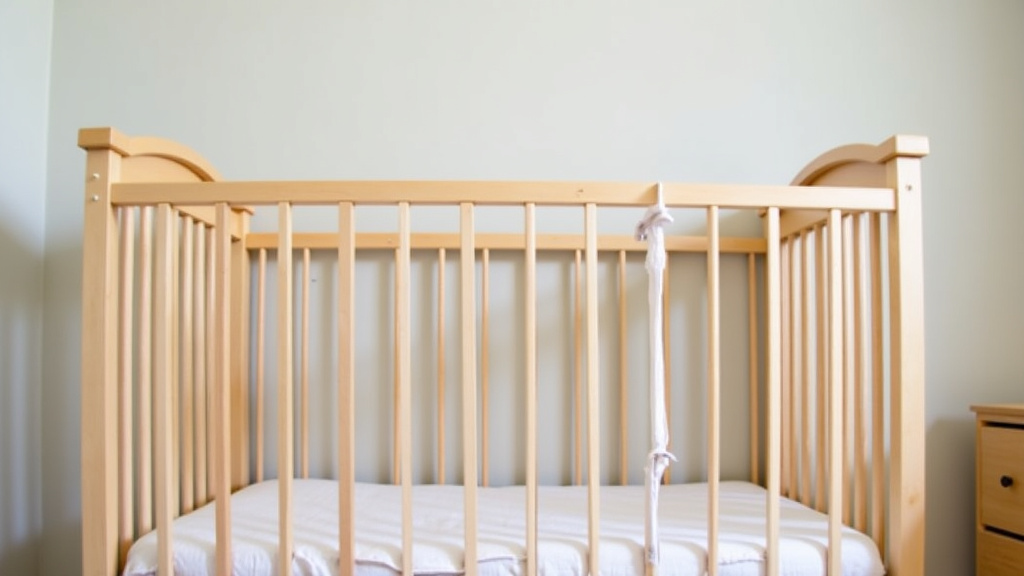
One of the biggest concerns is how far apart the crib slats are. The CPSC mandates that slats must be no more than 2 3/8 inches apart. Why this number? Well, it’s about the width of a soda can. This spacing prevents a baby’s head from getting stuck between the slats. It’s a simple measurement, but it can make a world of difference.
Think of it this way: your baby is curious and will explore their surroundings. If a slat is too wide, their head could slip through, leading to suffocation or strangulation. The CPSC’s research found this specific measurement to be a critical safety factor (CPSC).
Hardware and Construction: Built to Last
Cribs need to be sturdy! The CPSC pays close attention to the hardware used and the overall construction. This includes things like screws, bolts, and any other connectors. They must be strong and durable. They also need to prevent easy access for a child, so they don’t try to take the crib apart.
The testing ensures that the crib won’t come apart during normal use. This means no wobbly legs or loose parts. The mattress support should also be robust. A weak mattress support could collapse, creating a dangerous situation for your baby. It’s all about building a solid, reliable sleep space.
No Entrapment Hazards
Beyond slat spacing, the CPSC also looks for any other potential entrapment points. This means no large gaps or openings where a baby could get stuck. This includes areas around the mattress, corners, and any decorative elements. The goal is a smooth, safe enclosure.
Imagine your baby rolling over or trying to crawl. If there’s an unexpected gap, they could get a limb or their head trapped. The CPSC standards aim to eliminate these possibilities. They want your baby to have space to move but to remain safely contained.
No Strangulation Hazards
Strangulation is another serious risk. The CPSC’s standards address this in several ways. One is the slat spacing we already discussed. Another is the absence of protruding hardware or decorative elements that could snag clothing or blankets. This ensures nothing can create a loop where a baby could get caught.
For instance, you won’t find cribs with tall headboards or footboards that have large openings. These could create a place where a blanket or piece of clothing might get caught. The CPSC wants to remove any chance of clothing or other items creating a strangulation risk.
Drop-Side Rail Bans: A Safety Milestone
You might remember cribs with drop-side rails. These were side rails that could be lowered to make it easier to pick up a baby. However, these rails were prone to malfunctions. When they broke, they could create a dangerous gap, leading to entrapment or suffocation risks. Because of these dangers, the CPSC banned all full-size and non-full-size drop-side cribs in 2011.
If you have an older crib with a drop-side rail, it’s really important to stop using it. Even with repair kits, they can still be unsafe. The CPSC strongly advises against using them. Modern cribs do not have this feature, and that’s a major safety improvement.
What to Look For When Buying a New Crib
When you’re out shopping for a crib, what should you keep an eye out for? Making informed choices is key to ensuring your baby’s sleep environment is as safe as possible. Here are a few things to consider that align with CPSC recommendations.
Look for the CPSC Label
Most cribs sold legally in the U.S. will have a label indicating they meet CPSC standards. While not always a guarantee of perfect manufacturing, it means the crib was designed and tested to meet the federal safety requirements. You can often find this label on the mattress support or on the crib’s frame. It’s your first sign that the manufacturer has followed the rules.
Check for Side Sleeping and Mattress Fit
The CPSC also provides guidance on mattress fit. The mattress should fit snugly in the crib. There should be no more than two fingers’ width between the mattress and the sides of the crib. A loose mattress can create a dangerous gap where a baby could get stuck or even suffocate.
When it comes to side sleeping, the CPSC’s focus is on eliminating entrapment and suffocation risks. This means ensuring the crib is designed to prevent these specific dangers. The standards cover the overall structure, the slat spacing, and the absence of hazardous hardware.
Recall Information: Staying Informed is Key
Even with strict standards, cribs can sometimes be recalled. This might be due to a manufacturing defect found after the crib is already on the market. The CPSC is responsible for issuing these recalls. They want to alert consumers to potential dangers so they can take action.
It’s a good idea to register your crib with the manufacturer when you buy it. This way, you’ll be notified directly if there’s a recall. You can also visit the CPSC website periodically to check for any recalls on nursery products. Staying informed is a powerful tool for keeping your baby safe.
A Quick Checklist for CPSC-Compliant Cribs
To make your crib shopping and setup even easier, here’s a handy checklist based on CPSC guidelines:
- Check for the CPSC certification label.
- Ensure slats are no more than 2 3/8 inches apart.
- Verify there are no drop-side rails.
- Confirm the mattress fits snugly with no large gaps.
- Look for sturdy construction and durable hardware.
- Ensure there are no entrapment or strangulation hazards.
By keeping these points in mind, you’re well on your way to choosing a crib that meets the safety standards set forth by the CPSC. Your baby deserves a safe and sound sleep!
Conclusion
You’ve learned that the CPSC sets rigorous standards for crib safety to protect your baby. They focus on essential features like slat spacing and strong construction. Remember to look for the CPSC certification label on any crib you consider. Always ensure the mattress fits snugly. Staying informed about recalls is also key. Your next step is to use this knowledge when shopping for a crib to ensure a secure sleep space for your little one.
Frequently Asked Questions
What does CPSC stand for?
CPSC stands for the U.S. Consumer Product Safety Commission. This government agency sets and enforces safety standards for a wide range of consumer products, including cribs. Their main goal is to prevent injuries and deaths associated with unsafe products.
Are older cribs unsafe even if they look okay?
Yes, some older crib designs can be unsafe. The CPSC banned drop-side rails because they could malfunction and create dangerous gaps. Even if an older crib appears functional, it may not meet current safety standards. It’s best to use only cribs manufactured after the 2011 ban on drop-sides.
How do I know if a crib meets CPSC standards?
Look for a CPSC certification label on the crib, often found on the mattress support or frame. This label indicates the manufacturer has tested the crib to ensure it meets federal safety requirements. You can also check the CPSC website for information on approved cribs.
What’s the biggest danger the CPSC addresses with cribs?
The CPSC focuses on preventing two main dangers: entrapment and strangulation. This includes issues like slats that are too far apart, allowing a baby’s head to get stuck, or hardware that could snag clothing. They also address risks from loose mattresses and structural weaknesses.
What should I do if my crib is recalled?
If your crib is recalled, stop using it immediately and follow the instructions provided by the CPSC and the manufacturer. Recalls usually offer options like a repair kit, a refund, or a replacement product. Registering your crib with the manufacturer helps ensure you’re notified directly of any recalls.