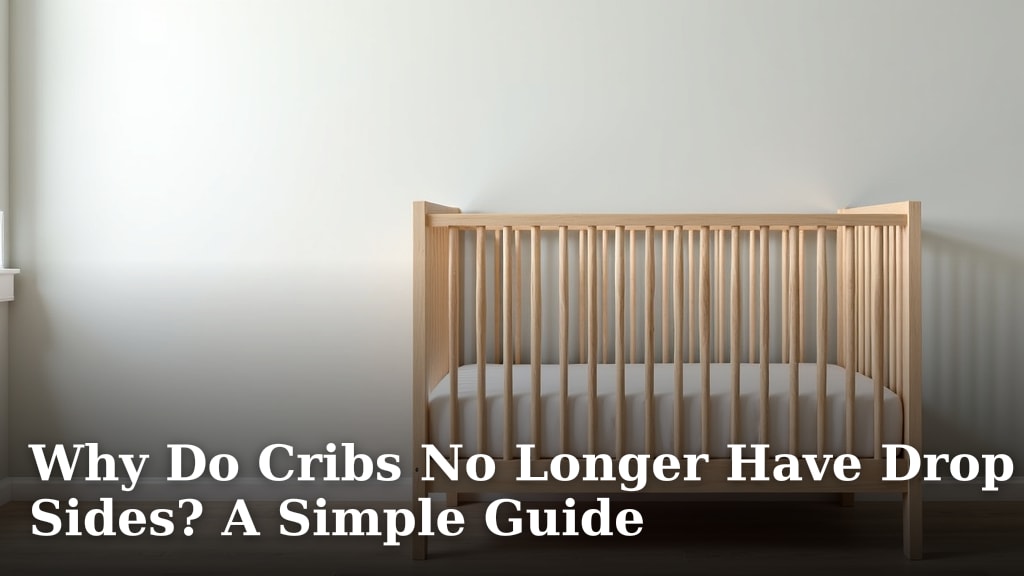
Why Do Cribs No Longer Have Drop Sides? A Simple Guide
Cribs no longer have drop sides because they were linked to serious safety risks, primarily strangulation and suffocation. Safety standards have been updated to ban these designs. You’ll now only find cribs with fixed, non-drop sides on the market, and for very good reason.
This change happened after years of research and advocacy. Many experts and safety organizations worked to ban the older, drop-side models. The focus is entirely on creating the safest sleep environment for your baby. We want to make sure you have the most up-to-date information.
- Drop-side cribs are no longer sold or manufactured.
- They posed serious strangulation and suffocation hazards.
- New safety standards only allow fixed-side cribs.
- These newer designs are much safer for your baby.
Let’s walk through why these changes were made and what you should look for in a crib today.
The Shift Away From Drop-Side Cribs: A Safety Revolution
You might be wondering why cribs used to have a side that could be lowered, but you don’t see them anymore. This change wasn’t random; it was a major safety update for babies. Cribs no longer feature drop sides because they were found to be incredibly dangerous. Many tragic accidents have been linked to them. This led to strict new rules that ban their manufacturing and sale.
Understanding the Dangers of Drop-Side Cribs
Drop-side cribs, also known as convertible cribs or drop-rail cribs, had a side that could be lowered. This was often marketed as a convenience for parents. You could easily lift your baby in and out of the crib. It seemed like a helpful feature. However, research and real-world incidents showed a much darker side. The mechanisms used to lower the sides were prone to breaking or malfunctioning.
Strangulation and Suffocation Risks
The primary danger came from the drop-side hardware. Over time, these mechanisms could loosen or break. When a side detached unexpectedly, a gap could form between the mattress and the crib frame. This created a deadly entrapment zone. Babies could easily slip into this gap. Their heads could get caught, leading to strangulation or suffocation. Sadly, this happened to many infants, often before parents even realized there was a problem.
The U.S. Consumer Product Safety Commission (CPSC) has documented numerous incidents. Many of these involved young infants who were at high risk of suffocation. Investigations revealed that even with proper assembly, the drop-side hardware could fail. This failure could happen after years of use. It made even seemingly secure cribs a potential hazard. The goal shifted to creating a crib that minimized any possibility of entrapment.
Hardware Failures and Breakdowns
The metal or plastic hardware used in drop-side cribs was susceptible to wear and tear. It could also be faulty from the start. Some parts might not have been installed correctly, or they could simply break under normal use. When a drop-side rail detached, it could fall into the crib. This created a dangerous opening. It’s a scary thought, but consumer safety groups worked hard to ensure this type of accident wouldn’t happen again.
The recalls associated with drop-side cribs were extensive. Millions of cribs were affected. Even with recall instructions, parents often found it difficult to properly disable or repair them. This led to the decision that a complete ban was the only safe solution. The focus moved to designs that simply did not have moving parts in the side rails. Fixed sides offer a much more predictable and secure environment.
New Safety Standards and Regulations
In response to the documented risks, new safety standards were put in place. The most significant change was the Outright ban on the manufacturing, importation, and sale of drop-side cribs. This rule went into effect in June 2011 in the United States. It was a landmark decision aimed at protecting infants. All cribs sold after this date had to meet the new, stricter requirements.
These new standards were developed by organizations like the CPSC and ASTM International. They ensured that cribs were built with sturdy, fixed sides. The hardware had to be more robust and less prone to failure. The goal was to create a crib that would remain safe throughout its expected lifespan. You can trust that any crib you buy today meets these higher safety benchmarks.
What the New Standards Mean for You
For parents and caregivers, this means peace of mind. When you purchase a crib now, you are getting a product designed with the latest safety knowledge. You won’t have to worry about a side rail suddenly failing. The focus is on a stable, secure structure that keeps your baby safely contained. This is the foundation of a safe sleep environment.
You will see that all new cribs on the market have fixed side rails. They do not move or lower. This design eliminates the possibility of the dangerous gaps that caused so many problems. It’s a simple change that makes a world of difference. Your baby can sleep soundly without risk from the crib structure itself.
Why Fixed-Side Cribs Are Safer
Fixed-side cribs offer a clear safety advantage. They have a simple, sturdy construction. The side rails are permanently attached. There are no moving parts that can break or loosen over time. This design removes the risk of entrapment. Your baby is kept securely within the crib walls.
Think of it like a well-built fence. A fixed-side crib acts as a reliable barrier. It’s designed to keep your little one safe and sound inside. The mattress fits snugly against the sides. There are no hidden gaps or spaces where a baby could get stuck. This unwavering stability is key to preventing accidents.
Eliminating the Risk of Hardware Malfunction
The elimination of drop-side hardware is the biggest win. This hardware was the weak link. It was the part that often failed, leading to dangerous situations. With fixed sides, you remove this entire category of risk. You don’t have to worry about checking complicated mechanisms or remembering to adjust them. The crib is built to be safe from day one.
Many parents are concerned about whether they are providing the best environment. Research and safety guidelines confirm that fixed-side cribs are the gold standard. They are designed to be as safe as possible. The lack of complex moving parts means fewer things can go wrong. This simplicity is a direct path to enhanced safety for your child.
Ensuring a Snug Fit for the Mattress
A critical part of crib safety is a snug fit between the mattress and the crib sides. With fixed-side cribs, this is much easier to achieve and maintain. The mattress should not have any gaps around its edges. If you can fit more than two fingers between the mattress and the crib side, it’s too loose. This ensures your baby cannot roll into a dangerous space between the mattress and the crib wall.
The design of fixed-side cribs naturally promotes this snug fit. Because the sides don’t move, the space for the mattress is consistent. Always check the fit when you assemble the crib and periodically thereafter. A properly fitting mattress is essential for preventing positional asphyxiation and suffocation. It’s a simple step that adds another layer of security.
What to Look For When Buying a Crib Today
When you’re shopping for a crib, focus on safety features. Always look for cribs that meet current safety standards. The CPSC seal of approval is a good indicator. Make sure the crib has fixed side rails. Avoid any cribs that mention “drop-side” or have a mechanism for lowering a rail. These are no longer legal to sell.
Consider the overall construction. Are the slats spaced properly? (No more than 2 3/8 inches apart). Is the hardware sturdy? Are there any small, detachable parts that could become a choking hazard? These are all important questions. Prioritize a crib that is simple, sturdy, and well-constructed. Many brands offer excellent, safe options.
Understanding Crib Certifications
Look for cribs that comply with the latest ASTM International standards. These standards are regularly updated to reflect the latest safety research. You may also see certifications from organizations like the Juvenile Products Manufacturers Association (JPMA). These certifications mean the product has been tested and verified to meet specific safety requirements. It’s like a stamp of approval from safety experts.
When you see these certifications, it means the crib has undergone rigorous testing. The tests cover everything from structural integrity to the absence of harmful materials. You can feel more confident in your purchase knowing it has been vetted by independent bodies. This helps you navigate the market with assurance that you’re choosing a safe sleep space.
Your Crib Shopping Checklist
Here’s a quick rundown to help you choose the safest crib:
- Fixed Sides Only: Ensure the crib has only fixed side rails that do not move.
- No Drop-Side Mechanisms: Avoid any cribs with levers or systems designed to lower a side.
- Check Slat Spacing: Ensure slats are no more than 2 3/8 inches apart.
- Sturdy Construction: Look for solid, well-made materials and hardware.
- Proper Mattress Fit: Verify that the mattress fits snugly with no gaps around the edges.
- Current Safety Standards: Look for compliance with CPSC and ASTM standards.
By keeping these points in mind, you can make an informed decision. You want a crib that provides a secure and healthy sleep environment for your baby. The evolution of crib safety standards has made this easier than ever before. Your baby deserves the safest start possible.
Conclusion
You now understand why cribs no longer have drop sides. This essential safety change eliminated serious strangulation and suffocation risks. New U.S. safety standards ban drop-side cribs, ensuring all new models feature fixed, secure sides. This shift provides a much safer sleep environment for your baby. When shopping, always look for cribs that meet current ASTM and CPSC standards. Prioritize sturdy construction and a snug mattress fit. Your focus on these safety features will help you choose a crib that offers peace of mind for years to come.
Frequently Asked Questions
Are all cribs sold today made with fixed sides?
Yes, all cribs manufactured, imported, or sold in the United States after June 2011 must have fixed side rails. This is due to updated safety standards that banned the production and sale of drop-side cribs because of the risks they presented.
What should I do if I have an older drop-side crib?
If you have an older drop-side crib, it’s highly recommended to stop using it immediately. Check the manufacturer’s website or the CPSC website for potential repair kits or instructions on how to disable the drop-side feature permanently to prevent accidents.
Can a fixed-side crib still have a mattress that lowers or raises?
Yes, fixed-side cribs can still feature adjustable mattress heights. This allows you to lower the mattress as your baby grows and becomes more mobile, which is a safety feature that helps keep them securely inside the crib.
Where can I find information about current crib safety standards?
You can find the most up-to-date information on crib safety standards from the U.S. Consumer Product Safety Commission (CPSC) website. They provide detailed guidelines and recall information to help parents make safe choices.
Are used cribs safe to buy if they are older models?
Buying used cribs can be risky, especially if they are older models that might have drop sides or outdated hardware. Always ensure any used crib meets current safety standards and has not been recalled. It’s often safest to purchase a new crib that is guaranteed to meet today’s strict safety regulations.