Are Secondhand Cribs Safe? A Simple Guide
Yes, secondhand cribs can be safe, but you need to be very careful. It’s not a simple yes or no. Many parents wonder if they’re making a mistake by choosing a used crib. Safety standards have changed a lot over the years, so knowing what to look for is key to avoiding danger.
Buying a used crib can save you money. It’s a great way to be eco-friendly. However, older crib models might not meet current safety rules. This means they could have hidden risks for your baby. We want to help you make the best choice for your little one’s sleep space.
- Secondhand cribs can be safe if they meet current standards.
- Look for drop-side recalls and missing hardware.
- Check for sturdy construction and no large gaps.
- Newer models are generally safer than very old ones.
- Always inspect thoroughly before buying.
Let’s walk through exactly what you need to check to ensure a used crib is a safe place for your baby to dream.
“`htmlMaking Sure Your Used Crib is Safe for Baby
Buying a crib for your little one is a big decision. You want the safest place for them to sleep and dream. When considering a secondhand crib, there’s a lot to think about. Safety standards have changed over the years. Older cribs might not meet today’s rules. We’ll walk you through what to inspect so you can feel confident.
Understanding Crib Safety Standards
Crib safety rules are designed to protect babies from serious injuries. These rules cover everything from the distance between slats to the height of the rails. Standards have been updated many times. The most recent major updates happened in 2011. Cribs made before this date might not meet current safety requirements. It’s wise to look for cribs made more recently.
Key Crib Safety Regulations to Know
The U.S. Consumer Product Safety Commission (CPSC) sets these standards. They have specific rules for crib design and manufacturing. For example, there should be no gaps larger than a standard adult finger. This prevents babies from getting their heads stuck. Side rails must also be a certain height. This stops babies from climbing out once they are more mobile.
Drop-Side Cribs: A Major Safety Hazard
This is one of the most critical points. Drop-side cribs have a side that can be lowered. They were very common for a long time. However, many of these cribs have been recalled. The drop-side mechanism can break or malfunction. This can lead to suffocation or entrapment. Because of the severe risks, they are no longer legal to sell new. If you are looking at a used crib, make sure it does not have a drop side. Even if it seems to work fine, it’s best to avoid them entirely. Many experts strongly advise against them (CPSC).
Checking for Recalls on Used Cribs
Before you even consider buying a used crib, check for recalls. Manufacturers will recall products that pose a safety risk. You can search the CPSC website for product recalls. You’ll need the manufacturer’s name and the model number. If a crib has been recalled, it’s best to steer clear. Sometimes, parts are available to fix recalled cribs. But for drop-side cribs, avoiding them altogether is the safest bet. You want to be absolutely sure your baby’s crib is not on a recall list.
What to Inspect on a Secondhand Crib
Once you’ve confirmed a crib isn’t recalled and doesn’t have a drop side, it’s time for a thorough inspection. Think of yourself as a crib detective. You need to look for anything that could be a hazard. This inspection should be very detailed. It’s not something you can rush.
Construction and Stability: Is it Rock Solid?
Pick up the crib and try to wiggle it. It should feel very sturdy and stable. Any wobbling or looseness is a red flag. The joints should be tight. There should be no signs of cracking in the wood. Check all the screws and bolts. Make sure they are all present and tightened. If any hardware is missing, do not buy the crib unless you can find exact replacements. You cannot just use any screw; it needs to be the correct size and type.
Slats and Gaps: No Room for Danger
The space between the crib slats is critical. It should be no more than 2 3/8 inches. That’s about the width of a standard soda can. You can use a soda can to test this. If a soda can fits through the gap, it’s too wide. This prevents a baby’s head from getting stuck. Also, check for any loose or broken slats. They should all be securely in place.
Hardware and Attachments: Everything Must Be Secure
Look closely at all the hardware. Are there any sharp edges or points? Are there any missing screws, bolts, or brackets? This is very important. Missing hardware can make the crib unstable. It can also create small gaps where a baby could get trapped. If hardware is missing, try to find out the exact type and size needed. Often, this information is on the original manual. You might also find it on the manufacturer’s website. Never use substitute hardware that doesn’t fit perfectly.
Mattress Support: A Firm Foundation
The mattress support should be strong. It’s usually a metal or wooden frame at the bottom. Make sure it’s not bent, broken, or rusted. It should be firmly attached to the crib. The mattress should fit snugly. There should be no more than two fingers’ width between the mattress and the side rails. A loose mattress can be a suffocation hazard.
Paint and Finishes: Watch for Chipping
If the crib is painted or finished, check for chipping. If the paint is chipping, it could be lead-based paint. Lead is very harmful to children. Especially if the crib was made before 1976. Modern cribs use non-toxic finishes. If you see peeling or chipping paint, it’s a good idea to pass on that crib. Cleaning up chipping paint can be a real headache. Plus, the health risk isn’t worth it.
Overall Condition: Does it Look Well-Maintained?
Does the crib look like it has been cared for? Are there any signs of abuse, like deep gouges or damage? A crib that looks worn and damaged might have underlying structural issues. It’s important to assess the overall condition. A well-maintained crib is more likely to be a safe crib. Does it seem like the original owner took good care of it?
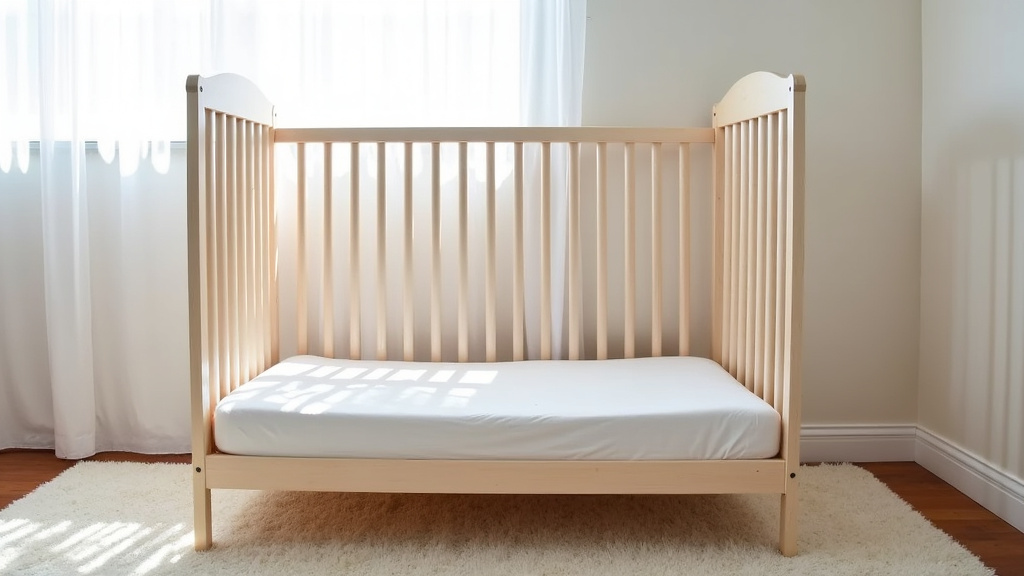
Making the Final Decision: Checklist for Safety
Before you hand over any money, run through this quick checklist. It covers the most critical safety checks for a secondhand crib.
- No Drop Sides: Absolutely no drop-side feature.
- Check for Recalls: Verified it’s not on any CPSC recall list.
- Sturdy Frame: Feels solid, no wobbling or loose parts.
- Slats are Safe: Gaps are no more than 2 3/8 inches.
- All Hardware Present: Every screw, bolt, and bracket is accounted for and tight.
- No Chipping Paint: Finish looks good, no peeling or chipping.
Conclusion
Choosing a secondhand crib means you’re saving money and helping the environment. But your baby’s safety comes first. You’ve learned about the critical safety standards and what to look for. Always remember to check for recalls, ensure there are no drop sides, and inspect for sturdy construction. Test the slat spacing and make sure all hardware is present and secure. Your thorough inspection is the final step to a safe sleep space. Take your time with these checks, and you’ll feel confident in your choice.
Frequently Asked Questions
Can I use a crib made before 2011?
Cribs made before 2011 might not meet current safety standards, especially those related to slat spacing and side rail height. It’s generally safer to look for cribs manufactured after major safety updates in 2011. If you do consider an older crib, be extra vigilant with your inspection and check for recalls.
What should I do if a used crib is missing hardware?
If a used crib is missing hardware, it’s best to pass on it unless you can find the exact original parts. Using incorrect screws or bolts can compromise the crib’s stability and create safety hazards. Check the manufacturer’s website or manual for specific hardware information, but replacement might be difficult.
How can I be sure about the paint on a used crib?
Look for any signs of chipping or peeling paint. Older cribs, especially those made before 1976, might have used lead-based paint, which is toxic. If you see any paint damage, it’s safer to avoid that crib altogether to prevent potential lead exposure for your baby.
Is it okay if a used crib has some minor scratches?
Minor cosmetic scratches are usually fine as long as they don’t affect the crib’s structural integrity. However, deep gouges or cracks in the wood could indicate underlying damage. Always test the crib’s stability by trying to wiggle it – it should feel solid and secure.
Where can I find a list of recalled cribs?
You can find a comprehensive list of recalled cribs on the U.S. Consumer Product Safety Commission (CPSC) website. You’ll typically need the crib’s manufacturer name and model number to search effectively. Checking this list before you buy is a non-negotiable safety step.