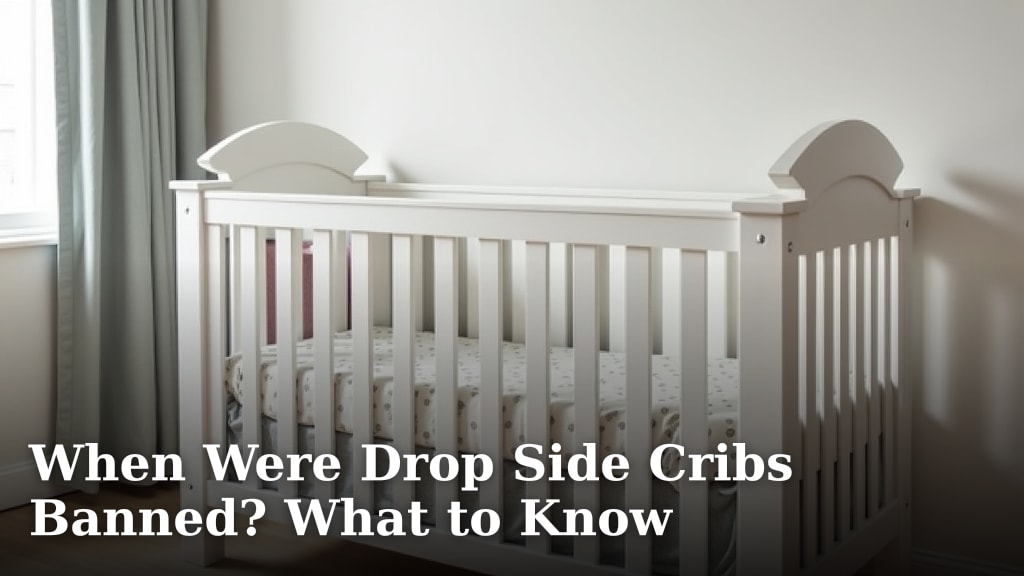
When Were Drop Side Cribs Banned? What to Know
Drop side cribs were banned in the United States on June 28, 2011. This ban was put in place by the Consumer Product Safety Commission (CPSC) because they posed a serious safety risk. The main danger involved the drop side detaching, creating a gap where a baby could become trapped and suffocate. This made them an unacceptable hazard for little ones.
You might be wondering if your old crib is safe. If you still have a drop side crib, it’s important to know that they are no longer considered safe for use. Many were recalled over the years, but the ban made them illegal to sell or manufacture. Protecting your baby means using cribs that meet current, much stricter safety standards.
- Drop side cribs are banned in the US as of June 28, 2011.
- The ban was due to serious safety risks, especially suffocation.
- Detached drop sides could create dangerous gaps for babies.
- Older cribs may not meet current safety regulations.
- It’s best to use cribs that meet today’s safety standards.
Let’s look closer at why these cribs were banned and what you should know to keep your little one safe. We’ll cover the key details to help you make informed decisions about nursery furniture.
Understanding the Drop Side Crib Ban
You’re probably here because you’re concerned about nursery safety. Perhaps you have an older crib. Maybe you’re shopping for a new one. It’s good you’re asking questions. The ban on drop side cribs in the United States happened on June 28, 2011. This was a big change. It came from the Consumer Product Safety Commission (CPSC). The reason? These cribs were simply not safe enough for babies.
Why Were Drop Side Cribs Banned?
The core issue with drop side cribs was their potential for **malfunction**. The side panel that could be lowered or “dropped” was the problem. Over time, these mechanisms could loosen or break. This created a dangerous gap. Imagine a baby shifting in their sleep. They could slip into this gap between the mattress and the crib rail.
The Suffocation Risk
This gap is incredibly dangerous. Research and incident reports found that babies could become trapped. Their heads or bodies could get stuck. This could lead to suffocation. It’s a parent’s worst nightmare. The CPSC determined the risk was too high. They felt that no amount of attention or repair could make them truly safe again. This led to the federal ban.
History of Problems
The issues with drop side cribs weren’t new. For years, there were reports of injuries and deaths linked to them. Manufacturers tried to fix the designs. They offered repair kits. But the fundamental design remained flawed. The CPSC found that even with fixes, the risk persisted. It became clear that a ban was the only way to ensure baby safety.
Drop Side Cribs vs. Fixed-Side Cribs
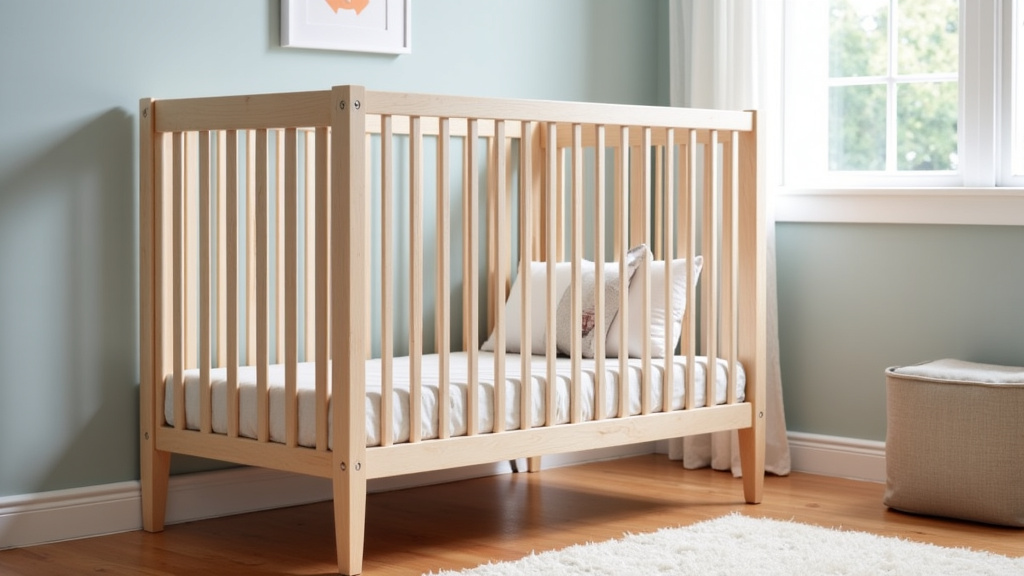
So, what’s the difference between a banned drop side crib and a safe crib today? The main difference is the side rail. A safe crib has a fixed side rail. It does not move up or down. This design eliminates the possibility of the dangerous gap forming. It’s a simpler, more secure design.
What Happened to Existing Drop Side Cribs?
Once the ban went into effect, selling or manufacturing new drop side cribs became illegal. But what about cribs already in homes? Many were part of recalls. Manufacturers were required to offer repair kits or buyback programs for a time. However, the ban means they should no longer be used.
Recalls and Conversions
You might remember recalls for specific brands. Some manufacturers offered kits to convert drop side cribs into fixed-side cribs. While these conversions aimed to improve safety, many experts and the CPSC still advise against using any crib that was originally a drop side model. The safest approach is to use a crib that was always designed with fixed sides.
The Dangers of Continued Use
Using a drop side crib, even one that seems sturdy, is risky. The hardware can wear out over time. The plastic parts can become brittle. There’s no guarantee that a formerly recalled crib, even if converted, meets today’s stringent safety standards. The CPSC strongly recommends that parents and caregivers do not use drop side cribs.
Current Crib Safety Standards in the U.S.
The ban on drop side cribs was part of a larger update to crib safety regulations. The U.S. adopted new, tougher standards in 2011. These standards are overseen by the CPSC. They aim to prevent infant deaths and injuries. The focus is on making cribs as safe as possible for sleeping babies.
Key Features of Modern Cribs
What makes a crib safe today? You’ll find that all modern cribs must meet specific criteria. These include:
- Fixed side rails that do not move.
- No cutouts or slatted sides that could trap a limb.
- Sturdy construction with no loose parts.
- Proper mattress fit – no gaps.
- Compliance with voluntary safety standards set by ASTM International.
These standards help ensure that cribs are safe from the start, with no design elements that can fail over time.
The Role of ASTM International
ASTM International is a global organization. It develops and publishes voluntary consensus technical standards for materials, products, systems, and services. For cribs, ASTM has established specific safety standards that manufacturers must meet. The CPSC then enforces these standards. This partnership ensures that cribs on the market are safe for your baby.
What Should You Do If You Have a Drop Side Crib?
If you discover you have a drop side crib, it’s time to take action. Do not use it for your baby. Even if it looks perfectly fine, the risk is too great. Think of it like this: would you use a car seat that was recalled years ago? Probably not. This is the same principle.
Disposal and Replacement
The safest option is to dispose of the crib properly. You don’t want someone else to find it and use it. You might be able to disable it so it cannot be reassembled. Then, you’ll need to purchase a new crib. Look for cribs that are labeled as compliant with the current CPSC and ASTM standards. This ensures it was manufactured with safety as the top priority.
Here’s a quick checklist to help you remember the key points:
- Check if your crib has a side that moves up and down.
- If it does, it’s a drop side crib and no longer safe.
- Do not use the drop side crib for your baby.
- Dispose of the old crib to prevent its use by others.
- Purchase a new crib that meets current safety standards.
- Look for labels indicating CPSC and ASTM compliance.
Choosing a Safe Crib for Your Baby
Buying a crib is a big decision. You want it to be a safe haven for your little one. When you shop for a new crib, keep these tips in mind. Look for cribs that were designed with fixed sides from the beginning. Always check for the safety certifications. You can often find this information on the product tag or the manufacturer’s website. This gives you peace of mind.
What to Look For in a New Crib
When you’re in the store or browsing online, inspect the cribs carefully. Does the side rail move? If so, walk away. Are the slats spaced correctly? Is the mattress support sturdy? The CPSC offers great resources online. They provide guides on how to choose a safe crib. These guides can help you avoid common pitfalls. They empower you to make an informed choice.
Reading the Labels and Certifications
Manufacturers are required to meet safety standards. Look for phrases like “Complies with U.S. CPSC safety standards” or “Meets ASTM F1169 standards.” These labels mean the crib has undergone testing. It should be safe for your baby. You can trust that cribs made after the 2011 ban are designed with safety as the primary concern.
The Evolution of Nursery Safety
The ban on drop side cribs is a clear example of how safety standards evolve. As we learn more and identify risks, regulations are updated. This continuous improvement protects babies. The CPSC and organizations like ASTM work to stay ahead of potential dangers. Your awareness and understanding of these changes are key to keeping your child safe.
Lessons Learned from Past Issues
The history of drop side cribs teaches us a valuable lesson. Sometimes, popular designs can have hidden dangers. It’s important to stay informed about product recalls and safety updates. The baby product industry is always working to make things safer. This includes cribs, car seats, and other gear. We can all benefit from these advancements.
Prioritizing Safety Above All Else
When it comes to your baby, safety should always be the top priority. The ban on drop side cribs is a reminder of this. By choosing cribs that meet current safety standards, you’re making a responsible choice. You’re creating a secure environment for your baby to sleep and grow. It’s about having confidence in the nursery furniture you use every day.
Conclusion
You now understand that drop side cribs were banned in the U.S. on June 28, 2011, due to serious safety risks like suffocation. The core problem was the drop side mechanism, which could fail and create dangerous gaps. Current cribs feature fixed sides and meet much stricter safety standards set by the CPSC and ASTM. If you have an old drop side crib, please do not use it. Your next step is to properly dispose of it and purchase a new crib that is certified to meet today’s safety regulations. This ensures a safe sleep environment for your little one.
Frequently Asked Questions
When exactly did the ban on drop side cribs take effect?
The ban on the manufacturing and sale of drop side cribs in the United States officially took effect on June 28, 2011. This date marked a significant change in nursery safety standards implemented by the Consumer Product Safety Commission (CPSC).
What was the primary reason drop side cribs were banned?
The main reason for the ban was the serious risk of suffocation. Drop side mechanisms could malfunction, detach, or wear down over time. This created a dangerous gap between the mattress and the crib rail, trapping infants.
Is it safe to use a drop side crib that was converted or repaired?
While repair kits were offered, the CPSC and most safety experts strongly advise against using any crib that was originally a drop side model. The safest approach is to use a crib that was always designed with fixed sides and meets current safety standards.
Where can I find information about current crib safety standards?
You can find detailed information on current crib safety standards on the U.S. Consumer Product Safety Commission (CPSC) website. They offer guides on choosing safe cribs and explain the standards set by organizations like ASTM International.
What should I do if I find a drop side crib at a thrift store or receive one as a hand-me-down?
You should absolutely not use a drop side crib, even if it seems to be in good condition or was given to you. It’s best to decline its use and arrange for its proper disposal to prevent anyone else from using a dangerous product.