
How Many Mattress Height Settings Does a Crib Need?
Most cribs need at least two mattress height settings to keep your baby safe as they grow. You might find cribs with three or even four settings, offering even more flexibility. The key is having a lowered position for when your baby can push up on their hands and knees. This prevents them from climbing out.
Finding the right mattress height is about safety and convenience. A higher setting is great for newborns, making it easier to lift them in and out. As your baby develops motor skills, you’ll want to adjust the mattress lower. This is a vital safety step that many parents overlook until their little one becomes a mobile expert.
- Cribs typically have 2-4 mattress height options.
- Higher settings are for newborns.
- Lower settings are for older, mobile babies.
- Adjusting the height is a key safety feature.
- Check your crib’s manual for specific settings.
Let’s look at how many mattress height settings your baby’s crib truly needs and why those adjustments matter so much for safety and ease of use.
Understanding Crib Mattress Height: How Many Levels Are Enough?
When you’re setting up your baby’s nursery, the crib is a central piece of furniture. You’ve probably noticed that most cribs come with adjustable mattress heights. But how many settings do you really need? We found that cribs generally offer two to four mattress height options.
These different levels aren’t just for show. They are designed with your baby’s safety and development in mind. Think of them as progressive stages, matching the crib to your growing child. Understanding these settings can help you use the crib correctly from day one.
Why Crib Mattress Height Matters for Safety
The primary reason for adjustable mattress heights is to prevent your baby from falling out of the crib. As babies grow, they become more mobile. What starts as simple wiggling can quickly turn into pushing up, crawling, and even standing.
A crib with only one fixed height would quickly become unsafe for a mobile baby. The lowest setting is the most critical for preventing escapes. It ensures there’s a substantial barrier between your baby and the top of the crib railing. This is a key safety feature recommended by organizations like the American Academy of Pediatrics.
The Danger of a Too-High Mattress
Imagine your baby is learning to pull themselves up. If the mattress is still at its highest setting, they might be able to reach the top edge of the crib. This is where the risk of an accidental fall becomes very real.
Research shows that falls from cribs, especially as babies become more mobile, can lead to serious injuries. This is why adjusting the mattress to the lowest setting as soon as your baby shows signs of mobility is so important. It’s a simple adjustment that can make a big difference.
Preventing “The Climb”
You’ve probably seen those adorable videos of babies mastering new skills. While you want to celebrate every milestone, you also want to ensure their environment is safe. Babies are surprisingly strong and clever. They can surprise you with their ability to get into trouble.
When your baby can push up on their hands and knees, or even start to pull themselves up, it’s a sign to lower the mattress. This usually happens between 4 to 6 months of age, but every baby is different. The goal is to keep the top of the mattress well below the top rail of the crib. This makes it much harder for them to climb out.
How Many Settings Are Typically Available?
When you’re shopping for a crib, you’ll see different models with varying numbers of mattress support positions. Most standard cribs are designed with versatility in mind.
The Standard Two-Setting Crib
Many cribs come with the essential two mattress height settings. This typically includes a higher setting and a lower setting. The higher setting is perfect for newborns, making it easier for you to place your baby in and take them out without straining your back.
As your baby grows and starts to sit up and crawl, you’ll transition the mattress to the lower setting. This configuration meets the basic safety requirements for most stages of infancy and early toddlerhood. It provides the necessary adjustment for when your baby becomes mobile.
Cribs with Three or Four Settings
Some cribs offer even more flexibility with three or four mattress height positions. These extra settings can provide finer adjustments as your baby develops. For example, you might have two intermediate lower settings before reaching the absolute lowest position.
While more settings can seem appealing, they are not always essential. The key is having a truly low setting that is safe for a mobile baby. Cribs with fewer settings can still be perfectly safe if used correctly. It often comes down to personal preference and the specific design of the crib.
Matching Settings to Your Baby’s Developmental Stages
The number of settings is less important than understanding when to use them. Think of it as a guide to your baby’s journey from a tiny newborn to a curious toddler.
Newborn Stage: The Higher Setting
For your brand-new baby, the highest mattress setting is usually best. This is the most convenient level for parents. It means you don’t have to bend over quite as far to reach your baby. This can be a lifesaver for your back, especially in those first few exhausting weeks.
At this stage, your baby is not mobile. They can’t roll over, let alone sit up or crawl. So, the higher mattress position poses no immediate safety risk. It’s all about making those early interactions as comfortable as possible for you and your little one.
Sitting and Crawling: The Transition to Lower Settings
As your baby approaches around 4-6 months, you’ll likely see them developing new skills. They might start to prop themselves up on their arms. Soon, they’ll be sitting independently and then beginning to crawl. This is your cue to start lowering the mattress.
You’ll want to move the mattress down to the next available setting. If you have a three or four-setting crib, you might have an intermediate step. The goal is to create more distance between the top of the mattress and the top of the crib’s side rails. This is the first line of defense against climbing out.
Mobile and Standing: The Lowest Setting is Key
Once your baby can pull themselves up to a standing position, it’s time for the lowest mattress setting. Many experts, including those at the Consumer Product Safety Commission (CPSC), strongly advise using the lowest setting at this point. This is non-negotiable for safety.
At this stage, your baby is actively exploring. They can use the mattress as a stepping stone to try and climb over the rails. The lowest setting ensures there is a significant height difference. This dramatically reduces the risk of them being able to get out of the crib on their own. You’ll likely keep the mattress at this lowest setting until your child transitions to a toddler bed.
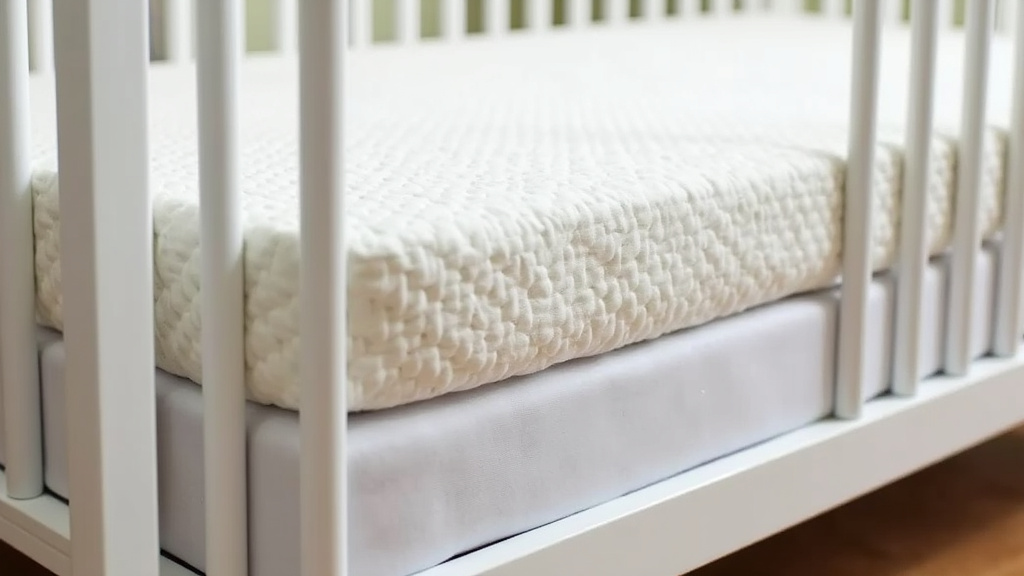
A Quick Checklist for Mattress Height Safety
To make sure you’re always using the safest setting for your baby, here’s a simple checklist:
- Newborns: Always use the highest mattress setting for ease of access.
- Sitting Up: When your baby can sit independently, lower the mattress one level.
- Crawling: If your baby is crawling, ensure the mattress is on a lower setting.
- Pulling Up: As soon as your baby pulls to stand, move the mattress to the absolute lowest setting.
- Always Check: Periodically re-evaluate the setting as your baby hits new milestones.
- Manual First: Consult your crib’s instruction manual for specific instructions and weight limits.
When a Crib Might Not Have Enough Settings
While most cribs are designed with safety in mind, there are a few scenarios where a crib might not provide adequate adjustment options.
Older or Hand-Me-Down Cribs
If you’re using a crib that’s older or has been passed down through the family, it’s essential to check its design. Older cribs might not meet current safety standards. They may have fewer adjustment levels or a different system entirely.
Always refer to the crib’s manual if you have it. If you’re unsure about its safety or the number of suitable height settings, it might be worth investing in a newer model that complies with current regulations. Safety guidelines have evolved over the years.
Unusual Crib Designs
Some cribs have unique designs that might deviate from the standard. While they can be aesthetically pleasing, they may not offer the typical range of mattress height adjustments. Always prioritize safety and functionality over just looks.
You want to ensure your crib has at least two settings, with a very low option available. If a crib’s design limits your ability to maintain a safe height as your baby grows, it might not be the best choice for your family.
Consulting Your Crib’s Manual is Key
Every crib is a little different. The exact placement of the holes for the mattress supports can vary. This is why your crib’s instruction manual is your best friend.
The manual will detail exactly how many mattress height settings your specific crib has. It will also show you how to adjust them safely. It often includes recommendations on when to transition to lower settings based on your baby’s weight or development. Don’t hesitate to refer back to it!
| Baby’s Stage | Recommended Mattress Height | Reason |
|---|---|---|
| Newborn (0-4 months) | Highest Setting | Easy access for parents, baby is not mobile. |
| Sitting Up (4-6 months) | Middle Setting (or one level down) | Baby is gaining mobility, needs more barrier height. |
| Crawling/Pulling Up (6+ months) | Lowest Setting | Crucial for preventing falls as baby becomes highly mobile. |
Conclusion
You’ve learned that while most cribs offer two to four mattress height settings, the exact number isn’t as important as knowing when to adjust them. The key is to have a lowered position available for when your baby starts becoming mobile. This simple adjustment is a vital safety measure to prevent accidental falls as your little one grows and explores. Always prioritize safety over aesthetics and keep your crib’s manual handy. For your next step, take a moment to check your current crib’s mattress settings and identify the lowest position. Make sure you know how to adjust it easily before your baby reaches those crawling or pulling-up milestones.
Frequently Asked Questions
Do I really need more than two mattress height settings on a crib?
No, not necessarily. While cribs with three or four settings offer more incremental adjustments, two well-placed settings (a higher one for newborns and a significantly lower one for mobile babies) are generally sufficient. The most important factor is ensuring the lowest setting provides a safe barrier.
When should I definitely lower the mattress, regardless of the number of settings?
You should lower the mattress as soon as your baby shows signs of mobility, such as being able to sit up independently or push up on their hands and knees. This is typically around 4-6 months, but every baby develops differently. The goal is to keep the mattress low enough to prevent them from climbing out.
What if my crib only has two mattress height settings?
A crib with just two mattress height settings can be perfectly safe and meet all necessary safety guidelines. You’ll use the higher setting for your newborn and then transition to the lower setting once your baby becomes mobile. Always consult your crib’s manual for specific recommendations.
Can an older or hand-me-down crib have too few mattress height settings?
Yes, older cribs may not meet current safety standards and could have fewer, or even just one, mattress height setting. If you’re using an older crib, it’s essential to verify its safety. If it lacks a sufficiently low setting for a mobile baby, it may be time to consider a newer model.
How do I know if the lowest mattress setting is truly safe?
The lowest setting is considered safe when the top of the mattress is at least 20 inches below the top of the crib’s side rails. This height difference makes it very difficult for your baby to climb over. Always refer to your crib’s manual for manufacturer specifications and recommendations.