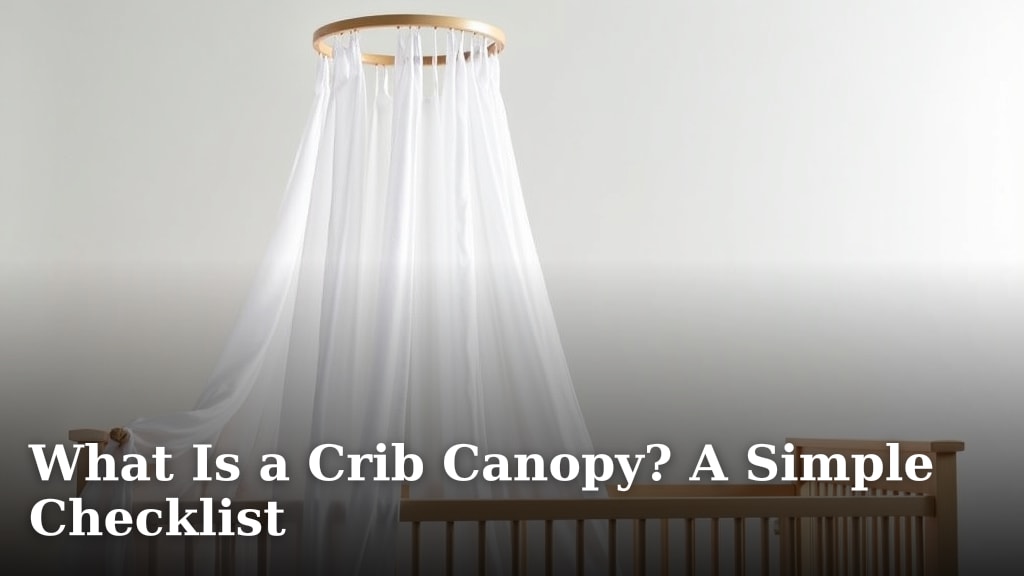
What Is a Crib Canopy? A Simple Checklist
A crib canopy is a decorative fabric drape that attaches to the top of a crib. It’s used to create a softer, more enclosed sleep space for a baby. While they look lovely, it’s important to know they can also pose safety risks if not used correctly. We’ll help you understand what they are and how to use them safely.
Think of a crib canopy as a stylish addition to your nursery. They can add a touch of magic and help make the crib feel like a cozy nest for your little one. However, experts often warn about potential hazards. We’ve researched common concerns and gathered simple tips to keep your baby safe while enjoying the aesthetic appeal.
- A crib canopy is a fabric drape for a crib.
- They create a softer, more enclosed sleep area.
- Safety is a big concern with crib canopies.
- Look for designs that keep fabric away from the baby.
- Always follow manufacturer instructions for safe use.
Ready to learn more about crib canopies? We’ll walk you through what to look for and how to keep your little one safe.
“`htmlUnderstanding Crib Canopies: A Practical Guide
So, you’re looking at crib canopies and wondering if they’re right for your baby’s nursery. These decorative fabric pieces can add a lovely touch to a crib. They often look like mini-bed tents or drapes that hang over the top. The idea is to make the crib feel more like a cozy, enclosed space for your little one. But when it comes to baby safety, we need to look beyond just looks.
What Exactly Is a Crib Canopy?
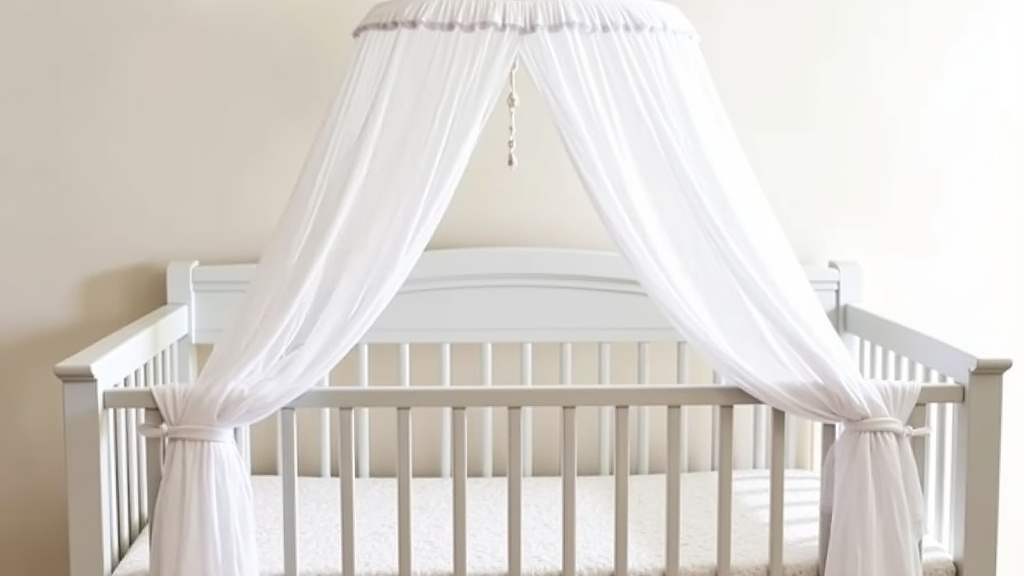
At its core, a crib canopy is simply a piece of fabric. It’s designed to attach to the frame or top of a baby’s crib. Think of it like a small tent or a flowing curtain. Many parents use them to create a softer atmosphere in the nursery. They can also help block out some light, making naptime a bit easier. Some canopies are simple hoops with fabric, while others are more elaborate drapes.
Why Do Parents Use Crib Canopies?
The appeal of crib canopies is often aesthetic. They can transform a basic crib into a charming focal point in the room. For some, it’s about creating a sense of a safe haven for their baby. The fabric can make the crib feel more enclosed, like a little nest. This can be comforting for some babies, giving them a sense of security. Others choose them for the softer lighting they can provide during daytime naps.
Potential Safety Concerns with Crib Canopies
While lovely, crib canopies do come with safety warnings from child safety experts. The main concern is entanglement. Loose fabric can pose a risk if a baby gets caught in it. There’s also a risk of suffocation if the fabric falls directly over the baby’s face. The U.S. Consumer Product Safety Commission (CPSC) has noted these types of hazards with nursery products that include extra fabric or attachments.
Entanglement Risks
Babies are curious and can be surprisingly strong. They might pull at the fabric. If a canopy isn’t securely attached, it could fall into the crib. A baby could then become tangled in the material. This is especially concerning if they are unable to free themselves. Many safety organizations recommend keeping the crib free of anything that could pose such a risk.
Suffocation Hazards
Another serious worry is suffocation. If the canopy fabric is loose, it can drape down. It might cover the baby’s face, blocking their airway. Even a small amount of fabric can be dangerous for infants. They don’t have the strength or awareness to move it away. This is why many child safety guidelines stress an open crib environment.
When Is a Crib Canopy Considered Safe?
The key to safety with crib canopies, and indeed any nursery item, is careful selection and proper use. Experts often advise that if you choose to use a canopy, it should be a design that keeps the fabric well away from the baby. This means it should attach securely and not droop into the crib space. The American Academy of Pediatrics (AAP) recommends a firm, flat sleep surface with no soft bedding, pillows, or bumpers in the crib. For a related item, learn about what crib bumpers are and their safety considerations.
Choosing a Crib Canopy: What to Look For
If you decide a crib canopy is a good fit for your nursery, choosing the right one is important. You’ll want to prioritize safety features. Look for canopies that are designed with a sturdy frame. This frame should keep the fabric taut and lifted high above the mattress. The fabric itself should be lightweight. It shouldn’t be something that could easily collapse or fall into the crib. Also, consider how it attaches to the crib. A secure attachment method is vital.
Design Considerations for Safety
Some canopies are made with rigid frames or hoops. These are generally safer because they hold the fabric up. This creates a clear space above the baby. Avoid canopies that are just fabric draped over a hook or a flimsy attachment. Ensure there are no long cords or strings attached. These can also be a strangulation hazard. Always check that the canopy meets current safety standards. Always check that the canopy meets current safety standards.
Material Matters
The fabric used for a crib canopy should be breathable. Lightweight cottons or fine mesh materials are often good choices. You want something that won’t trap heat or feel heavy. Avoid very thick, plush fabrics. These can pose a greater risk if they were to somehow end up near your baby’s face. Think about ease of cleaning, too. Babies can be messy!
A Simple Checklist for Safe Crib Canopy Use
Using a crib canopy safely involves a few key steps. We’ve put together a quick checklist to help you. Think of it as your go-to guide before you even hang it up. Following these steps can help ensure your nursery looks beautiful and remains a safe place for your baby.
- Check the Manufacturer’s Instructions: Always read and follow the specific guidelines provided by the canopy maker.
- Secure Attachment is Key: Ensure the canopy is firmly attached to the crib and cannot be pulled down by the baby.
- Keep Fabric Away from Baby: Make sure the canopy fabric always stays high above the crib mattress, never drooping.
- No Dangling Cords or Ribbons: Remove any decorative strings, ribbons, or cords that come with the canopy.
- Regular Safety Checks: Periodically inspect the canopy for any signs of wear, loose parts, or damage.
- When in Doubt, Leave it Out: If you have any concerns about a canopy’s safety, it’s best not to use it.
When to Consider NOT Using a Crib Canopy
Sometimes, the safest choice is to skip the canopy altogether. If your baby is a very active sleeper, they might be more likely to interact with the canopy. If they are pulling up to stand or are mobile in their crib, it’s time to remove any potential hazards. Many sleep experts suggest that the safest crib environment is one that is completely bare, free of any extra items.
Baby’s Age and Mobility
As your baby grows and becomes more mobile, the risks associated with a crib canopy increase. Once your little one can reach, push, or pull on the canopy, it’s time to take it down. This often happens when babies start to sit up, crawl, or pull themselves up to a standing position. For babies who are already a few months old, it might be best to avoid canopies from the start.
Expert Recommendations on Crib Safety
Many child safety organizations, like the AAP and CPSC, have clear recommendations for creating a safe sleep environment. These guidelines often suggest keeping the crib as simple as possible. This means no bumpers, no stuffed animals, and no loose bedding. The goal is to reduce the risk of entrapment, suffocation, and falls. A crib canopy, by its nature, adds fabric and potential entanglement points.
“`
Conclusion
Crib canopies can add a charming touch to your nursery. They create a cozy feel for your baby. However, your baby’s safety must always come first. We’ve highlighted the potential risks like entanglement and suffocation. Remember to choose designs that keep fabric safely away from your baby. Always follow the manufacturer’s instructions for secure installation. If you have any doubts about a canopy’s safety, it’s best to skip it. Prioritize a clear, safe sleep space for your little one.
Frequently Asked Questions
Are crib canopies safe for newborns?
For newborns, it’s often best to err on the side of caution. While some canopies might seem safe, risks like fabric falling or entanglement can be present. Many child safety experts recommend keeping the crib bare for infants, especially those under a few months old.
Can a crib canopy be used for decoration only?
Yes, many parents use crib canopies purely for decoration. However, even if you don’t plan for your baby to interact with it, you must ensure it’s securely attached. It should never droop into the crib space where your baby sleeps. Regular checks for stability are essential.
What is the main safety concern with crib canopies?
The primary safety concern with crib canopies is the risk of entanglement or suffocation. Loose fabric can potentially fall over a baby’s face, blocking their airway. Babies can also become tangled in the material if it’s not securely attached or if they pull on it.
When should I remove a crib canopy?
You should remove a crib canopy as soon as your baby becomes mobile. This includes when they can sit up, crawl, or pull themselves up to stand. At this point, they could easily grab, pull down, or get tangled in the canopy fabric.
What kind of crib canopy design is safest?
The safest designs are those with sturdy frames that hold the fabric well above the crib mattress. Look for canopies made from lightweight, breathable materials that won’t trap heat. Ensure there are no loose cords or ribbons attached to the canopy itself.