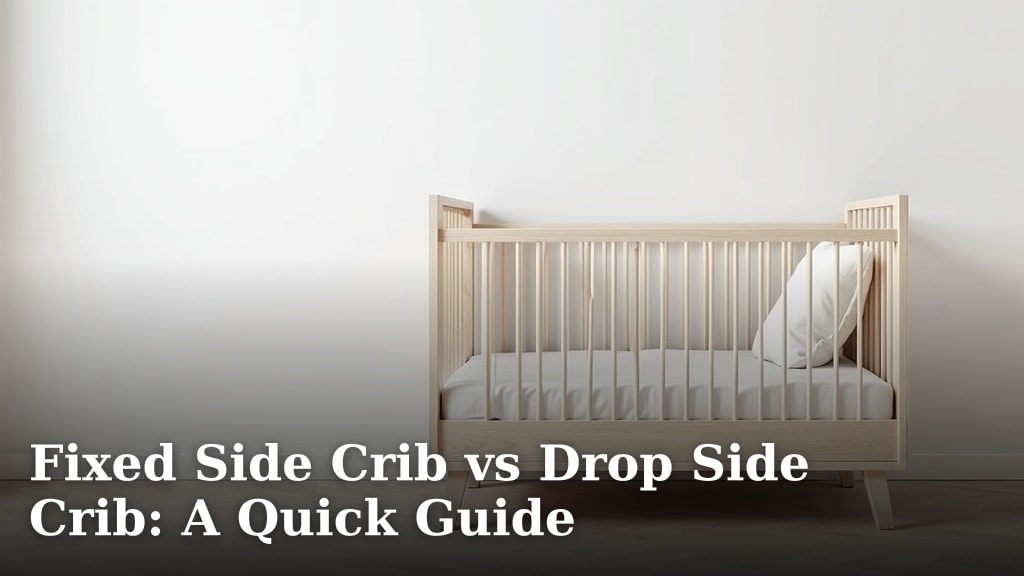
Fixed Side Crib vs Drop Side Crib: A Quick Guide
When choosing a crib, you’re likely wondering about the fixed side crib vs drop side crib difference. For safety reasons, fixed side cribs are the only type currently recommended and sold. Drop side cribs were phased out due to safety concerns and are now banned in the US.
This means your decision is actually much simpler than it might seem! A fixed side crib offers a secure and stable sleeping environment for your baby. We understand choosing baby gear can feel overwhelming, so let’s clear up any confusion.
- Fixed side cribs are the current safety standard.
- Drop side cribs are no longer sold due to safety risks.
- Fixed side cribs provide a secure sleeping space.
- Many experts agree fixed side cribs are the safer choice.
We’ll walk you through why this distinction is so important and what you should look for in a safe crib.
“`htmlUnderstanding Modern Crib Safety Standards
When you’re preparing for a new baby, crib safety is naturally at the top of your mind. You want the best and safest place for your little one to sleep. This means understanding the different types of cribs that have been available and why current recommendations are so clear.
The most important thing to know right now is that only fixed side cribs meet today’s safety standards. You won’t find any new drop side cribs for sale in the U.S. anymore. This change happened for very good reasons, and it simplifies your shopping significantly.
The Evolution of Crib Design and Safety
Cribs have changed over the years. Designs have been updated as we learned more about infant safety. Older crib models sometimes had features that, while seeming convenient, were later found to pose risks. Understanding this history helps explain why certain crib types are no longer recommended.
What Was a Drop Side Crib?
A drop side crib, also known as a drop rail crib, had a side panel that could be lowered. The idea was to make it easier for parents to lift their baby in and out of the crib. This seemed like a great feature for parents, especially those with back issues or who found it difficult to reach over the crib rail.
However, research and accident reports began to highlight serious problems. We found that the drop side mechanism could malfunction. Sometimes, the rail could become partially lowered on its own. This created a dangerous gap between the mattress and the side rail.
Why Were Drop Side Cribs Banned?
The risks associated with drop side cribs became undeniable. When the drop side malfunctioned, a baby could become trapped or fall into the created space. Tragically, this led to a number of serious injuries and even deaths. Reports from organizations like the U.S. Consumer Product Safety Commission (CPSC) documented these dangers.
Because of these severe safety concerns, drop side cribs were banned in the United States in 2011. This ban means they are no longer legally manufactured, sold, or even imported. If you see one for sale, it’s likely being sold second-hand and comes with significant risks.
The Advantages of Fixed Side Cribs
With drop side cribs out of the picture for safety reasons, fixed side cribs have become the standard. These are cribs where all four sides are permanently attached and do not move. This design offers straightforward and reliable safety for your baby’s sleep environment.
Unwavering Stability and Security
The main benefit of a fixed side crib is its inherent stability. Since the sides are fixed, there’s no risk of a rail malfunctioning and creating a dangerous gap. The mattress should always fit snugly against the rails, preventing any entrapment hazards.
This constant security means you can rest easier knowing your baby is sleeping in a safe space. You don’t have to worry about a rail coming loose or a mechanism failing. The design is simple, and that simplicity is key to its safety.
Meeting Current Safety Standards
All cribs sold today must meet strict safety regulations set by the CPSC. These regulations, particularly the ASTM F1169 standard, focus on ensuring cribs are sturdy, safe, and free from entrapment risks. Fixed side cribs are designed from the ground up to meet and exceed these requirements. You can trust that any new crib you purchase will have passed rigorous testing, such as being JPMA certified.
Manufacturers are committed to producing cribs that are safe for babies. You can trust that any new crib you purchase will have passed rigorous testing. This is a relief for parents who are already juggling so many new responsibilities.
Key Features to Look For in a Safe Crib
Now that you know fixed side cribs are the way to go, let’s talk about what makes any crib truly safe. It’s not just about the fixed sides; several other factors contribute to a secure sleeping space for your little one.
The Mattress Fit is Crucial
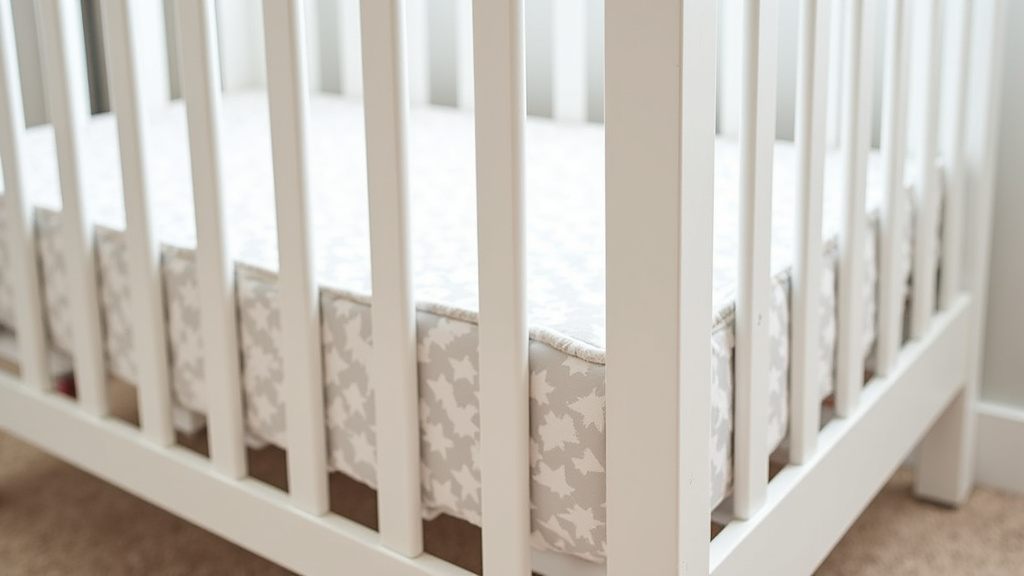
We can’t stress this enough: the mattress must fit snugly. There should be no more than two finger-widths of space between the edge of the mattress and the crib rail. A loose mattress is a suffocation risk.
Also, make sure the mattress is the correct thickness. Crib mattresses are designed to be firm and a specific size to fit standard cribs. Always use the mattress that came with the crib, or purchase a new one specifically designed for cribs.
Sturdy Construction and Hardware
Inspect the crib for overall sturdiness. When you gently rock the crib, it should not wobble or feel flimsy. All hardware, like screws and bolts, should be tight and securely in place. Check that there are no missing parts.
The spacing between the crib slats is also important. It must be narrow enough to prevent a baby’s head from getting stuck. Current regulations require slats to be no more than 2 3/8 inches apart. That’s about the width of a soda can.
No Decorative Elements That Pose Risks
Avoid cribs with decorative cutouts or elements that a baby could get their head or limbs caught in. Also, be wary of cribs with corner posts that extend too far above the headboard or footboard. These can be a snagging hazard for clothing.
Think simple and smooth. Any added embellishments, while maybe pretty, can sometimes introduce unintended safety risks. For instance, decorations could potentially break off and become choking hazards.
Avoiding Older, Potentially Unsafe Cribs
We know it can be tempting to use a hand-me-down crib or buy a used one to save money. However, when it comes to cribs, especially older ones, it’s often best to buy new.
As we’ve discussed, drop side cribs are no longer safe and are banned. Even if a crib is a fixed side model, it might have been manufactured before current safety standards were in place. It’s hard to verify these older standards.
You can check the CPSC website for recalls on specific crib models if you’re considering an older crib. But for peace of mind and the highest safety assurance, purchasing a new crib that meets today’s stringent regulations is the recommended path.
Your Crib Shopping Checklist
Choosing a crib is a big decision! To make it easier, here’s a quick checklist to keep in mind as you shop:
- Confirm it’s a fixed side crib. No moving or drop-down rails.
- Check the mattress fit. It should be snug with no gaps.
- Inspect for sturdiness. The crib should feel solid and not wobble.
- Verify slat spacing. Ensure slats are close enough (under 2 3/8 inches).
- Look for smooth surfaces. Avoid decorative cutouts or sharp edges.
- Buy new if possible. Ensure it meets current CPSC safety standards.
Conclusion
As you prepare your nursery, remember that choosing a crib is a decision rooted in safety. The distinction between fixed side and drop side cribs is clear: only fixed side cribs meet today’s safety standards and are legally sold in the U.S. Drop side cribs, due to their known risks, have been banned. Your priority is a secure environment, and a sturdy, well-constructed fixed side crib is designed precisely for that peace of mind. We encourage you to trust new cribs that meet current regulations, ensuring your baby has the safest possible sleep space from day one. Start by looking for that essential snug mattress fit and solid construction.
Frequently Asked Questions
Can I still use a drop side crib if I already own one?
It is strongly advised against using a drop side crib. Even if it’s a hand-me-down, the mechanism can fail over time, creating dangerous gaps that can trap or suffocate a baby. Safety standards have evolved, and older designs pose risks.
Are all new cribs required to be fixed side?
Yes, since the ban on drop side cribs, all new cribs manufactured and sold in the United States must have fixed sides. This ensures that they meet current, rigorous safety standards set by the CPSC.
What if I found a used drop side crib for free? Is it worth the risk?
For safety reasons, it is not recommended to use a used drop side crib. Even if it appears functional, the risk of malfunction is present and could lead to serious injury or death. It’s best to invest in a new, safe crib.
How do I know if a new crib meets current safety standards?
Look for a crib that clearly states it meets CPSC (Consumer Product Safety Commission) standards. Reputable retailers and manufacturers will prominently display this information, and the crib should have a warning label about safe sleep practices.
What’s the biggest safety difference to check for after the side type?
The most critical feature after confirming fixed sides is the mattress fit. Ensure there are no gaps larger than two fingers between the mattress and the crib rails. A snug fit prevents entrapment hazards.